
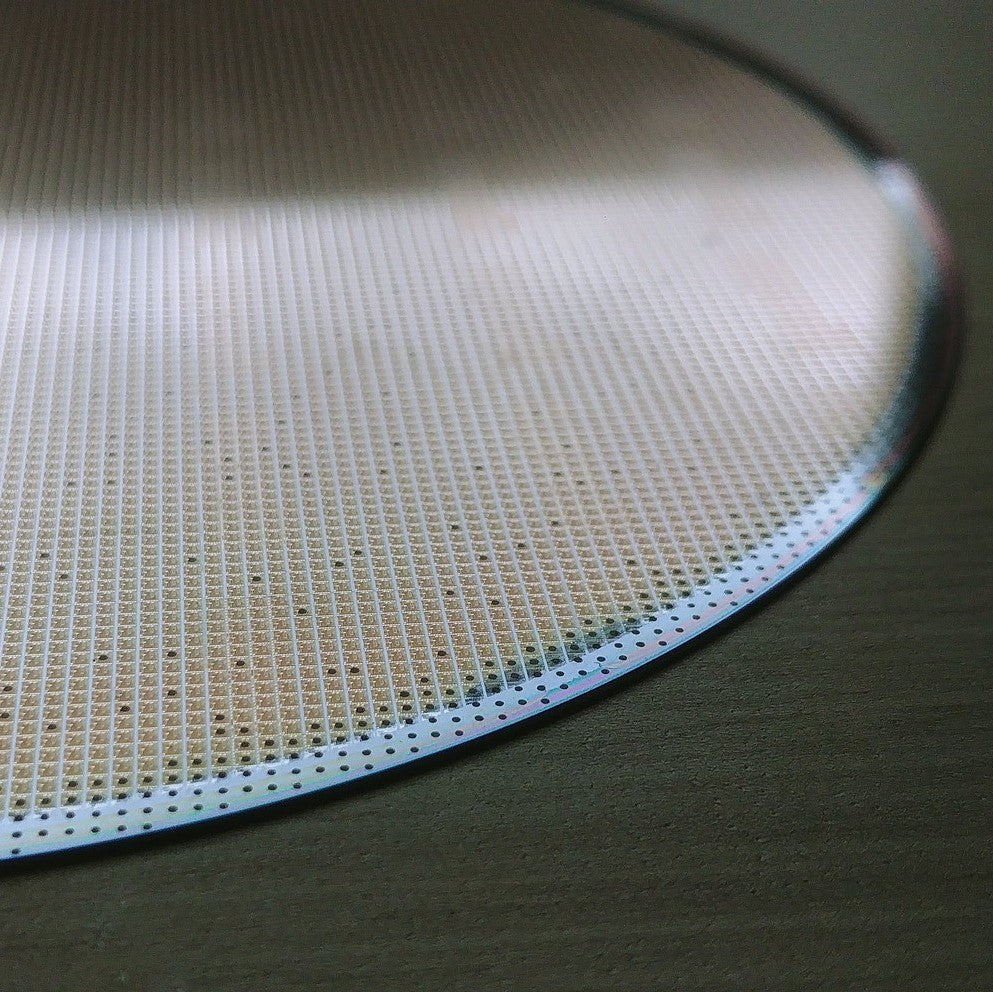
3Dresyn NMF Glass-like1 Bio, Biocompatible rigid photopolymer for nano and micro fabrication
Product description
3Dresyn NMF Glass-like1 Bio is a UV & EB curable organic ultra hard and rigid photopolymer for nano and micro fabrication, including photolithography, printing of ultra hard and rigid stamps for Nano Imprinting Lithography NIL, hard and rigid negative photoresists for standard UV lithography and PCB technology processing, and UV patterning of core and cladding.
This resin exhibits properties similar to quartz glass. It is harder and more rigid than PMMA at room and high temperature, with higher temperature resistance without deflection than PMMA.
Application framework
Designed for nano and micro fabrication, photolithography, UV lithography, PCB technology processing, Nano Imprinting Lithography NIL, direct laser writing, spin coating, Reactive Ion Etching, wet and dry etching, and optical microfabrication workflows.
Typical applications
- Transparent mould and stamp fabrication as an alternative to quartz or electroplated stamps
- Mass sensors based on UV-NIL, ALD and RIE
- UV patterning of core and cladding
- Mechanical resonators with reduced dampening of piezoelectric actuators
- Optical Single Mode SM and Multi Mode MM waveguides
- Beam splitters
- Biosensors
- Fast and contactless prototyping by direct laser writing at 405 nm (200-410 nm)
- Etch mask for wet and dry etching
- Mould for electroplating
- Optical applications
Measured mechanical properties
- Tensile strength: >40 MPa (ISO 527-1 / ISO 527-2)
- Flexural strength: >40 MPa (ISO 178)
- Young’s modulus: >3000 MPa (ISO 527)
- Elongation at break: <1% (ISO 527)
- Shore hardness: D90 (ISO 868)
Measured physical properties
- Heat deflection temperature: >290ºC (ISO 75)
- Temperature resistance without deformation: up to 290 ºC short term
- Imprint temperature: >160ºC short term
- Refractive index: 1.48-1.52
- Printing resolution: less than 10 nm
- Shrinkage: <9%
- Water absorption: (ISO 20795-1)
- Viscosity: mPas at 23°C ± 2°C (ISO 3219)
- Transmittance: high transmittance @ 850 nm
- Chemical resistance after 24 hour exposure to solvent:
- Acetic acid (5%): <0.1%
- Acetone: <2%
- Bleach (5% NaOCl): <0.1%
- Butyl acetate: <0.1%
- Diesel fuel: <0.1%
- Diethyl glycol monomethyl ether: <0.1%
- Hydraulic oil: <0.1%
- Hydrogen peroxide (3%): <0.1%
- Isooctane (aka gasoline): <0.1%
- Isopropyl alcohol: <0.1%
- Mineral oil (light): <0.1%
- Mineral oil (heavy): <0.1%
- Salt water (3.5% NaCl): <0.1%
- Sodium hydroxide (0.0001M NaOH: pH=10): <0.1%
- Strong acid (1M HCl hydrochloric acid: pH=0): <0.1%
- Tripropylene glycol monomethyl ether: <0.1%
- Water: <0.01%
- Xylene: <0.1%
Functional performance characteristics
- Resin with similar properties to quartz glass
- Higher temperature resistance without deflection than PMMA
- Harder and more rigid than PMMA at room and at high temperature
- UV curable with excellent photoreactivity at 250-410 nm with minimum energy dosage
- Very fast photo curing, ideal for low power light sources
- Electron beam EB curable
- Compatible and blendable with our 3Dresyns for nano and micro fabrication
- Biocompatible, ultra safe without any toxic pictograms
- Durable
- Medium impact/shattering resistance
- High optical clarity
- High durability, non degradable
- Excellent bonding, low risk of debonding
- High mechanical properties, with low risk of cracking
- Very low degassing at high vacuum
- Low oxygen sensitivity
- High mechanical stability
- High chemical resistance
- Low penetration
- Low surface tension with good release and demolding properties
- 100% organic free of inorganic materials
- Optionally it can contain hydroxyl groups for bonding release agents, such as perfluorodecyltrichlorosilane FDTS
Processing and handling performance
- Excellent balance of low viscosity for easy imprinting and low penetration
- Long shelf life of 1 year
- Excellent for spin coating applications
- Excellent etching with Reactive Ion Etching
- Excellent stability and chemical resistance to a wide range of wet chemistries used in the clean room
- No thermal treatment is required
- Easy processing with standard lithography equipment
- Easy removal of uncured resin with ketones, alcohols and esters
Chemical and safety characteristics
- UV & EB curable organic photopolymer
- Biocompatible
- Ultra safe without any toxic pictograms
- Synthetic resin source
- Organo-tin free
- 100% free of inorganic materials
Testing & processing disclaimer
Chemical resistance values correspond to weight increase (%) after 24 hour exposure to solvent. Final performance, imprinting behavior, lithography behavior, etching performance, optical properties and substrate compatibility must be validated by the user according to the intended application and processing conditions.
Disclaimer
This material is supplied as a professional manufacturing material and is not marketed as a finished medical device. Final part performance and suitability must be validated by the user according to the intended application.
This technical datasheet should be used together with the relevant processing, calibration, safety and workflow documentation available in the 3Dresyns® Resources section.
Document reference: TDS-3DRESYN-NMF-GLASS-LIKE1-BIO-EN | Version: 1.0 | Last updated: March 2026
Choose options