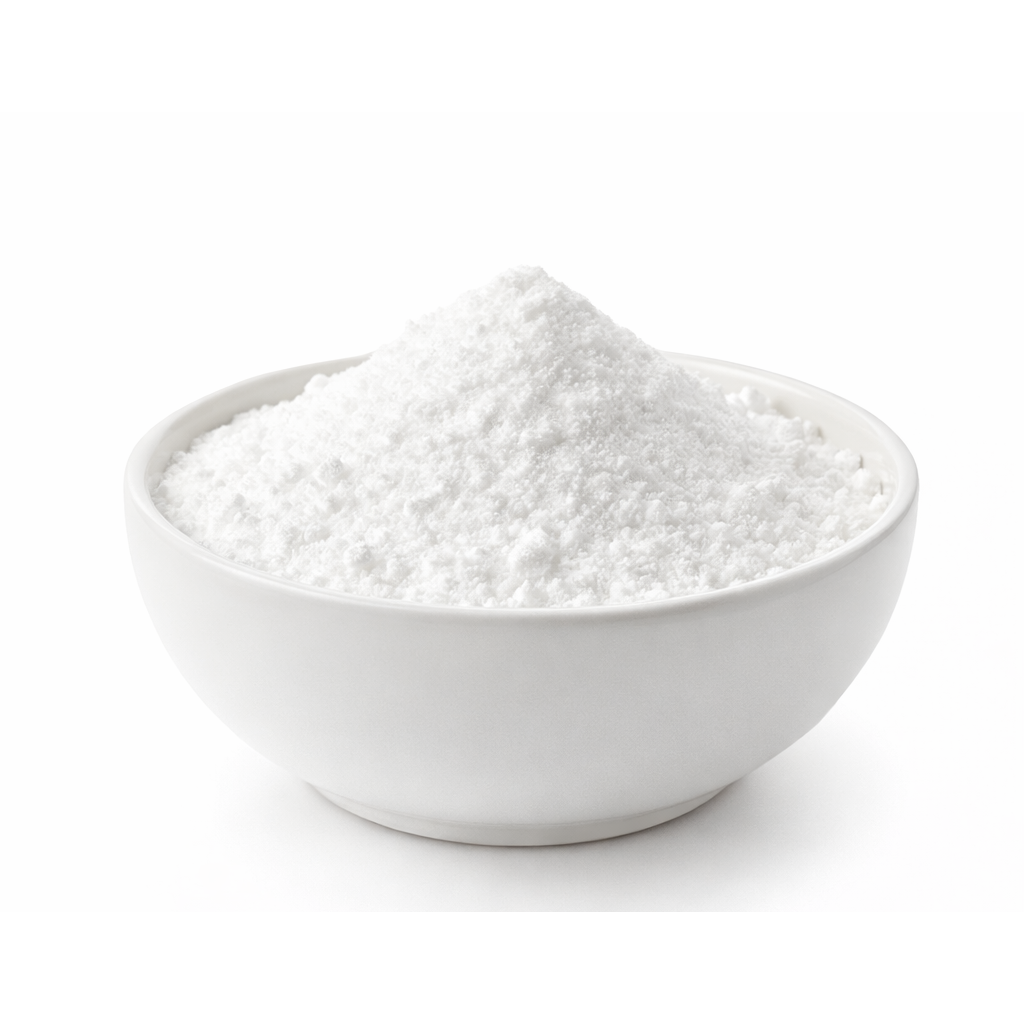
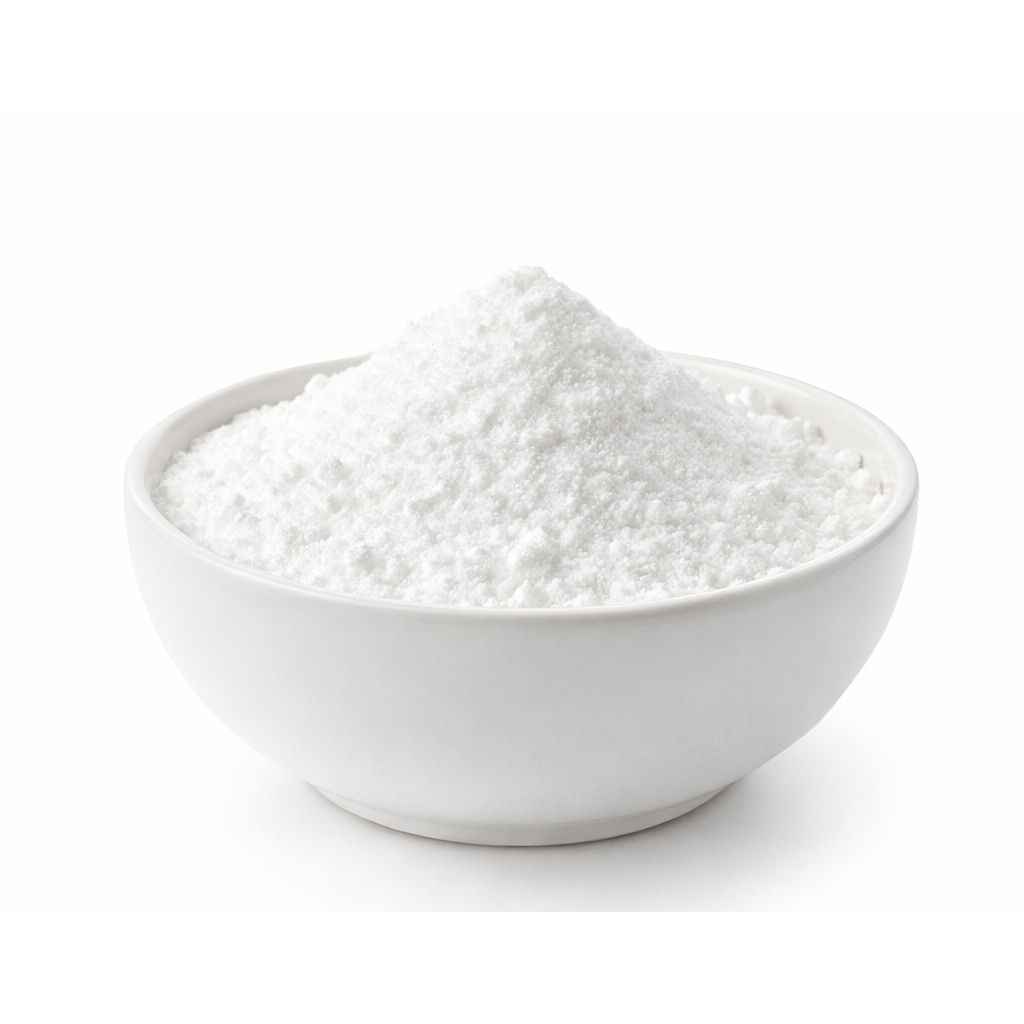
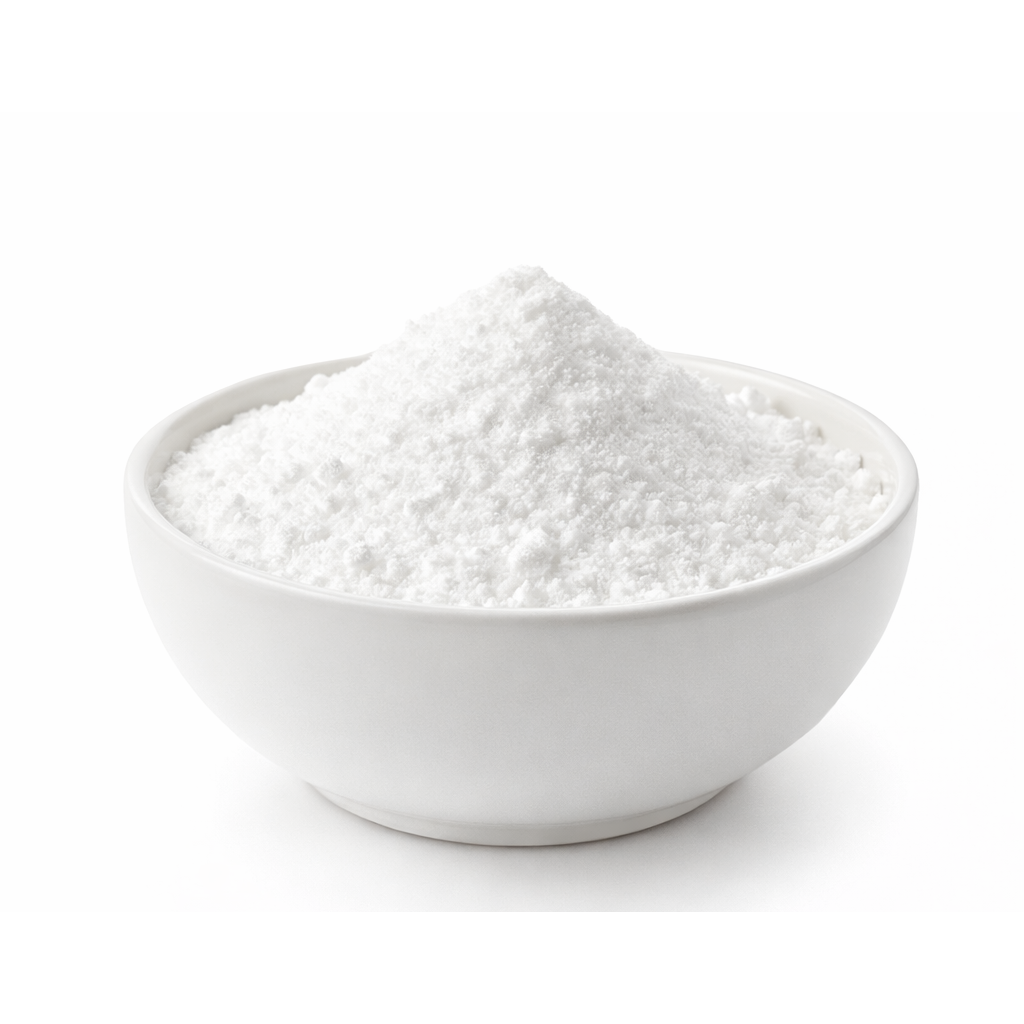
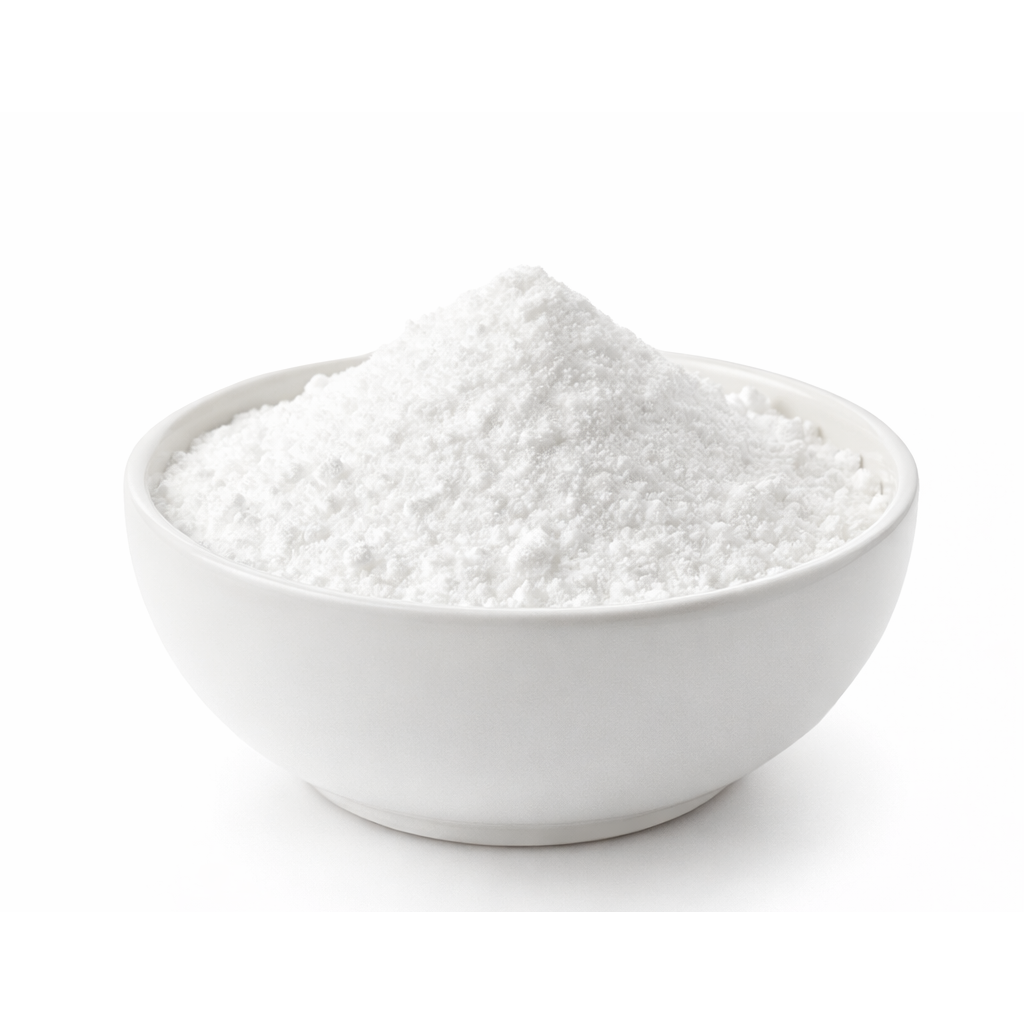
3Dresyns® SLS powders are positioned around stable powder processing behaviour, repeatable sintering outcomes and material-specific mechanical performance for demanding functional applications.
Navigate by: polymer family, target part behaviour and powder profile.
Select a polymer route to identify the most relevant SLS powder family before validating final process parameters and part performance.
High-performance SLS polymer powders platform
This collection brings together the 3Dresyns® SLS powder portfolio across polyamide 11, polyamide 12, thermoplastic elastomer PEBA, polypropylene, PLA, PCL, UHMWPE, LDPE and HDPE routes for functional parts, engineering prototyping and short-run production workflows.
Material selection should be aligned with the required polymer behaviour, powder processing characteristics, printer compatibility and target application requirements.
Key features & benefits
Material navigation
Choose your SLS polymer family
Use the routes below to navigate the collection by polymer family and application logic.
Material routes
Collection strengths
- High-performance SLS polymer powders for functional polymer printing.
- Stable powder processing behaviour and repeatable sintering outcomes.
- Coverage from rigid engineering polyamides to flexible PEBA, bioresorbable PCL and multiple polyolefin routes.
- Suitable for engineering prototyping, functional parts and production-oriented polymer workflows.
Typical applications
Application logic
Typical use scenarios across the collection
This collection is relevant for teams selecting SLS powders according to end-use behaviour, required polymer family and workflow priorities.
-
Functional SLS parts: parts requiring usable mechanical performance beyond visual prototyping.
-
Durable polymer components: engineering-grade parts where wear, toughness, flexibility or polymer-specific behaviour matters.
-
Engineering prototypes: prototypes intended to reflect functional behaviour more closely than generic demonstration parts.
-
Short-run production: manufacturing-oriented workflows where repeatability and powder handling stability are important.
-
End-use capable parts: depending on polymer family, printer setup and qualified process window.
Why choose this collection
Selection logic
How to choose the right SLS powder
Select the most suitable material according to polymer family, required part behaviour and preferred powder profile.
Decision guide
-
Need classic engineering polyamide performance → Nylon 11 or Nylon 12
-
Need flexible or elastomeric behaviour → TPE / PEBA
-
Need lightweight polypropylene behaviour → PP
-
Need bio-based PLA route → PLA
-
Need a biodegradable, bioresorbable route with the lowest melting temperature for cold low-energy printing → PCL
-
Need polyethylene-specific wear, low-friction or density-related behaviour → UHMWPE, LDPE or HDPE
Workflow preference
-
Prioritise ultra-fine / higher-resolution powder routes → consider PLA20-80, LDPE15-25 or other fine-profile powders
-
Prioritise ultra-low temperature, cold low-energy printing → consider PCL40-100 (lowest melting powder in the range)
-
Prioritise engineering familiarity and classic SLS polymer logic → consider PA11, PA12 or PP routes
Engineering rule
Decision tree summary
Use this simplified engineering logic before detailed process validation.
Decision steps
-
Need rigid engineering polymer behaviour → Nylon 11 / Nylon 12
-
Need flexible or elastomeric response → TPE / PEBA
-
Need lighter polyolefin route → PP
-
Need bio-based thermoplastic route → PLA
-
Need biodegradable, bioresorbable behaviour at ultra-low melting temperature → PCL
-
Need polyethylene-type wear, low friction or compliance behaviour → UHMWPE / LDPE / HDPE
Then validate the final powder choice under the intended printer, powder refresh strategy, energy density window and post-processing route.
Products in this collection
Polyamide routes
Nylon engineering powders
For high-resolution SLS printing of functional polymer parts based on polyamide families.
Products
Flexible route
Thermoplastic elastomer PEBA powder
For SLS workflows requiring a more flexible or elastomeric material route.
Products
Polypropylene route
PP powder for lightweight functional parts
For users evaluating polypropylene-based SLS parts with a narrower medium particle profile.
Products
PLA route
Fine-profile PLA powder
For teams interested in a PLA-based SLS powder route with fine and narrow particle size distribution.
Products
PCL bioresorbable route
Ultra-low melting bioresorbable PCL powder
For biomedical, tissue-engineering and low-temperature prototyping workflows. PCL is the lowest-melting functional powder in the range (around 60 ºC), enabling cold, low-energy SLS printing of flexible, biodegradable and bioresorbable parts on printers with minimal or no bed heating.
Products
Polyethylene routes
UHMWPE, LDPE and HDPE powder options
For polyethylene-based SLS workflows where wear behaviour, low friction, compliance or density-related behaviour is relevant.
Products
Technical overview table
Workflow-dependent performance
Powder flow, layer formation, sintering response, dimensional accuracy and final part properties depend on the interaction between material family, particle profile, machine settings, thermal management and powder handling protocol.
Successful implementation therefore requires alignment between material selection, printer capability, powder management strategy and qualified SLS processing parameters.
Mobile: scroll horizontally to view all columns. The first column remains visible while scrolling.
Portfolio overview
Portfolio structure
A broad SLS polymer portfolio rather than a single-material offer
The collection covers multiple polymer families so users can compare engineering polyamides, flexible elastomeric powders, bioresorbable PCL and several polyolefin routes inside one SLS platform.
-
NYLON11 15-85 and NYLON12 30-50 define the polyamide side of the collection for demanding functional and engineering SLS parts.
-
TPE15-150 extends the portfolio toward flexible or elastomeric PEBA-based behaviour.
-
PP50-80 adds a polypropylene route for functional polymer parts.
-
PLA20-80 introduces a PLA-based option with a fine powder profile.
-
PCL40-100 adds a biodegradable, bioresorbable route with the lowest melting temperature in the range for cold, low-energy printing of flexible biomedical parts.
-
UHMWPE25-55, LDPE15-25 and HDPE35-65 broaden the offer into multiple polyethylene routes with different behavioural profiles.
Workflow note
System-based powder principle
The right SLS powder depends on polymer family, target part behaviour and powder profile
Choose polyamides for classic engineering routes, elastomeric powders for more flexible parts, PCL for biodegradable and bioresorbable parts at ultra-low melting temperature, and PP, PLA or polyethylene families when density, compliance, wear behaviour, low friction or polymer-specific performance are more relevant to the final application.
Final selection should always be validated under the intended SLS machine, thermal window, powder refresh strategy and application requirements.
Technical and commercial support
Support framework
Documentation, selection help and development support
Use the resources below to move from powder preselection to workflow validation, technical discussion or custom development.
Support resources
Next step
Select the right SLS polymer route and validate the final workflow
Use the polymer-family navigation above to identify the most relevant SLS powder, compare candidates in the technical overview table, and move forward with process-specific validation for engineering prototypes, functional parts or short-run production.
Quick actions