
Inkjet 3D resins for printing Otoplastics
Professional inkjet photopolymers for otoplastics, audiology and custom-fit ear-related workflows. This collection is positioned around surface quality, fit-focused printing, controlled mechanical response options from rigid to flexible where applicable, and workflow suitability for hearing-related geometries.
This collection groups the 3Dresyns® otoplastics inkjet materials intended for earmolds, hearing-related custom-fit parts, audiology prototyping and patient-fit geometries where surface finish, fit precision and controlled mechanical response are especially important.
Key features & benefits
- otoplastics-oriented material selection
- surface quality and fit-focused printing
- controlled mechanical response options from rigid to flexible where applicable
- workflow suitability for hearing-related geometries
- professional inkjet route for custom-fit audiology environments
Why choose this collection
Designed for custom-fit ear geometries
This collection is not positioned as a general-purpose inkjet family, but as a more specific route for otoplastics workflows where fit, contour fidelity and patient-related geometry matter.
Mechanical range from rigid to soft
The visible portfolio spans ultra-hard and tough, ultra-hard and flexible, and soft material options, allowing a more practical match between geometry, handling and intended audiology workflow.
Better fit for audiology and hearing-related workflows
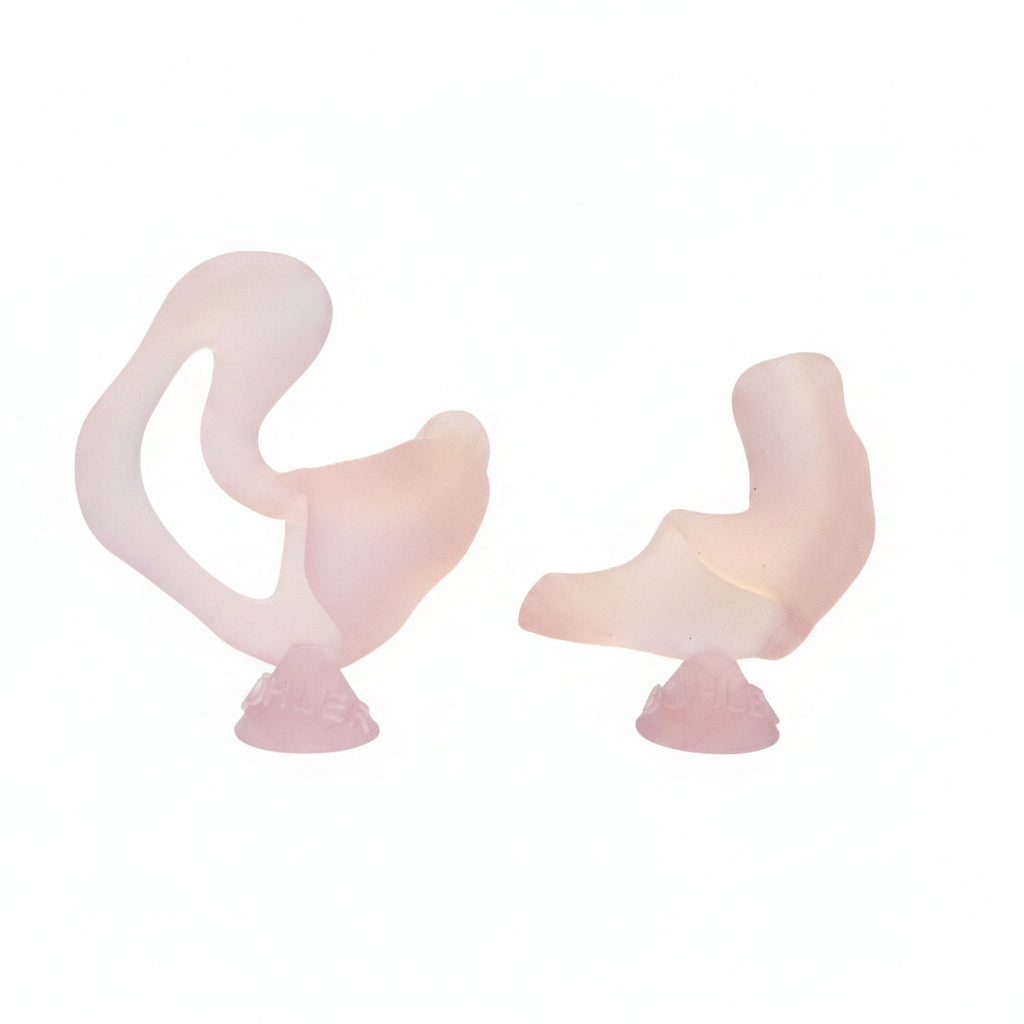
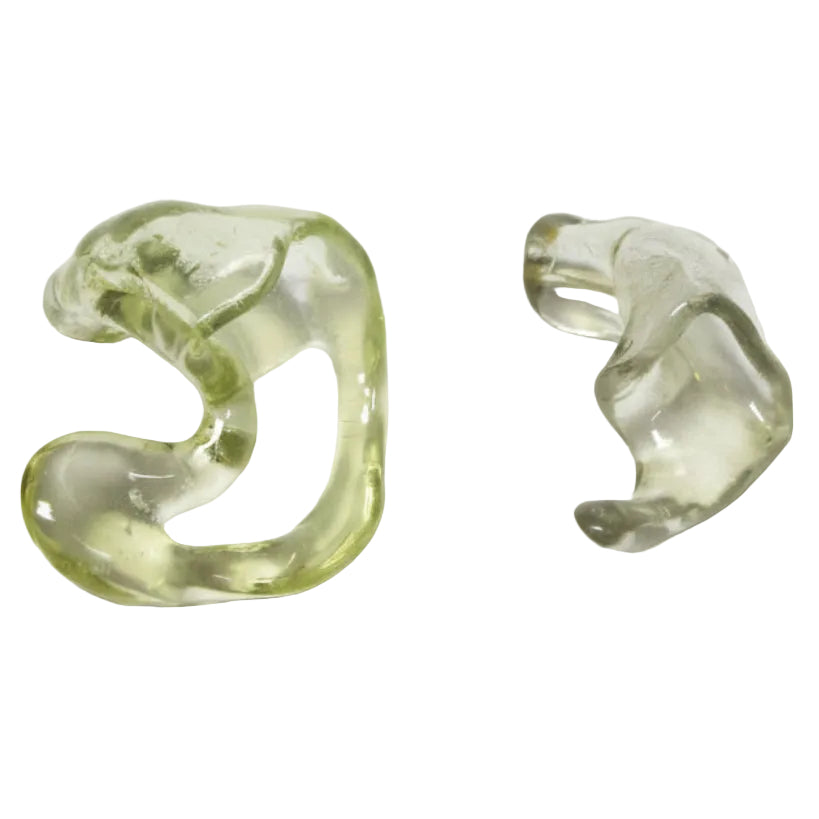
This collection is particularly relevant for earmolds, hearing aid shells where applicable, otoplasty prototypes and patient-fit components that require a more specialized custom-fit material route.
Typical applications
- earmolds
- hearing aid shells where applicable
- otoplasty prototypes
- patient-fit components
- audiology workflow parts
Selection summary matrix
| Family | Primary behavior | Typical role | Collection value |
|---|---|---|---|
| OTO-UHT Bio | ultra-hard and tough response | rigid custom-fit otoplastics parts and stable audiology geometries | strong rigid option for hearing-related parts requiring more structural firmness |
| OTO-UHF Bio | ultra-hard and flexible hybrid response | otoplastics parts requiring a balance between firmness and controlled flexibility | intermediate route between rigid stability and more compliant behavior |
| OTO-S | soft response, Shore A50 | soft patient-fit components and more compliant otoplastics applications | dedicated softer route for custom-fit comfort-oriented geometries |
Mobile: scroll horizontally to view all columns. The first column remains visible while scrolling.
Products in this collection
Portfolio overview
Rigid otoplastics route
OTO-UHT Bio provides the ultra-hard and tough route inside the collection for hearing-related parts where more structural stability and rigid custom-fit behavior are preferred.
Intermediate firmness/flexibility route
OTO-UHF Bio extends the family toward a firmer-but-more-compliant option, useful where the part needs controlled flexibility without moving fully into soft behavior.
Soft patient-fit route
OTO-S provides the softer route in the collection, positioned for custom-fit geometries and more comfort-oriented otoplastics applications where a more compliant response is beneficial.
Regulatory positioning
3Dresyns otoplastics materials are supplied as professional manufacturing materials for additive manufacturing workflows in audiology and custom-fit environments.
These materials are not marketed as finished medical devices unless explicitly stated for a specific product and jurisdiction. The regulatory classification, validation and compliance of any final device manufactured using these materials remain the responsibility of the legal manufacturer of that device.
Technical and commercial support
Selection and technical help
Need help selecting the right otoplastics inkjet material?
This collection is designed to help users choose between rigid, intermediate and soft material routes for audiology, earmold and hearing-related custom-fit workflows.
Start with the mechanical response that best matches your otoplastics application, or use technical support if you need guidance.
Sort by
Filters


From prototyping to industrial production, performance depends on materials, calibration and process control