
3Dresyn OD BCI1 MF Bio – Monomer-Free Biocomposite Resin for Professional Dental Implant-Related Laboratory Workflows
Product description
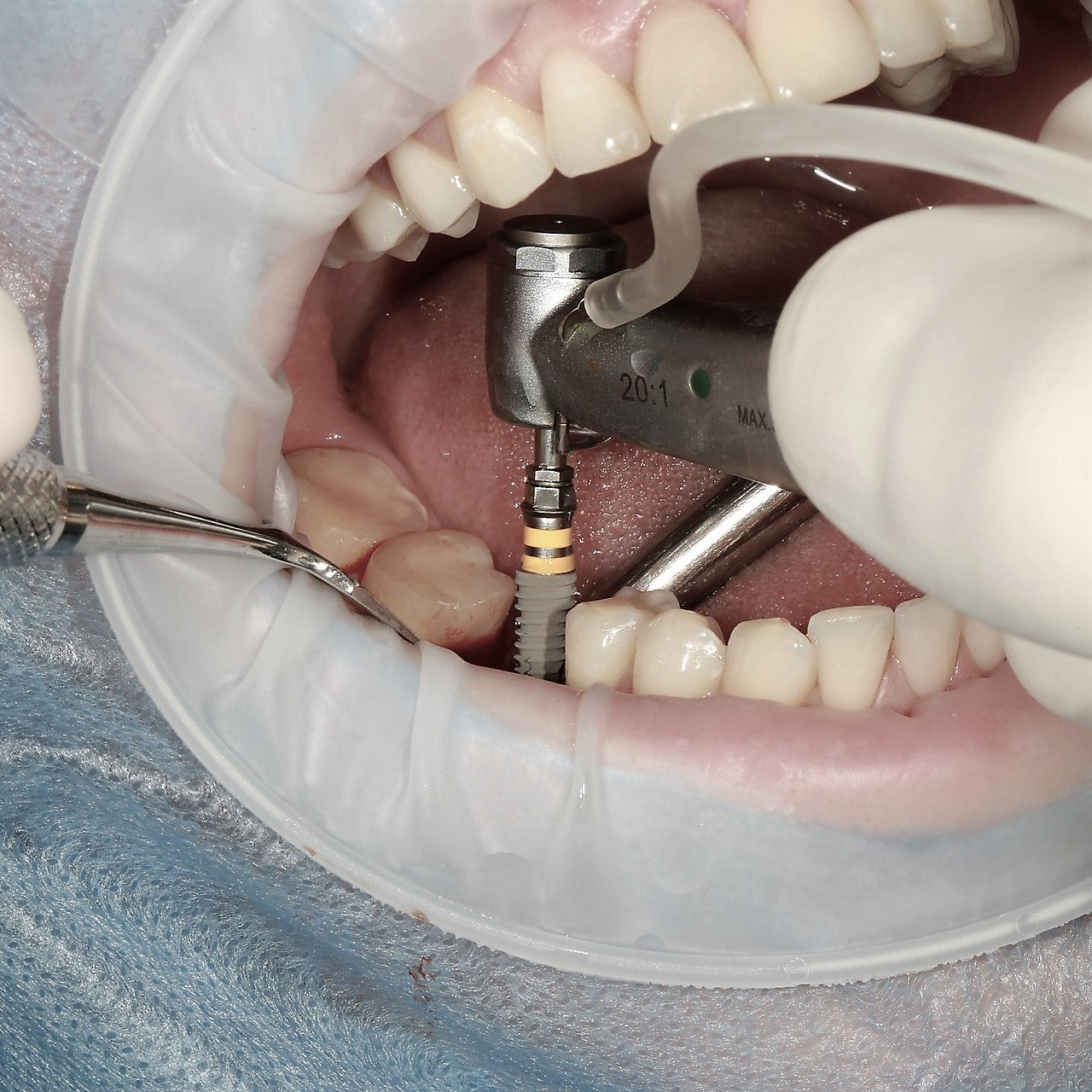
3Dresyn® OD BCI1 MF Bio is an advanced monomer-free biocomposite photopolymer engineered for implant-related dental applications requiring high mechanical strength, dimensional stability and controlled bioelastic response.
The formulation is designed to support metal-free restorative concepts while providing balanced load distribution under occlusal forces and improved fatigue resistance compared to conventional polymer systems.
Application framework
Designed for use in vat photopolymerization systems (SLA, DLP and LCD) within controlled professional laboratory environments.
Final suitability, structural validation and regulatory compliance of printed parts must be assessed by the user according to the specific device design, workflow validation and applicable regulatory requirements.
Typical applications
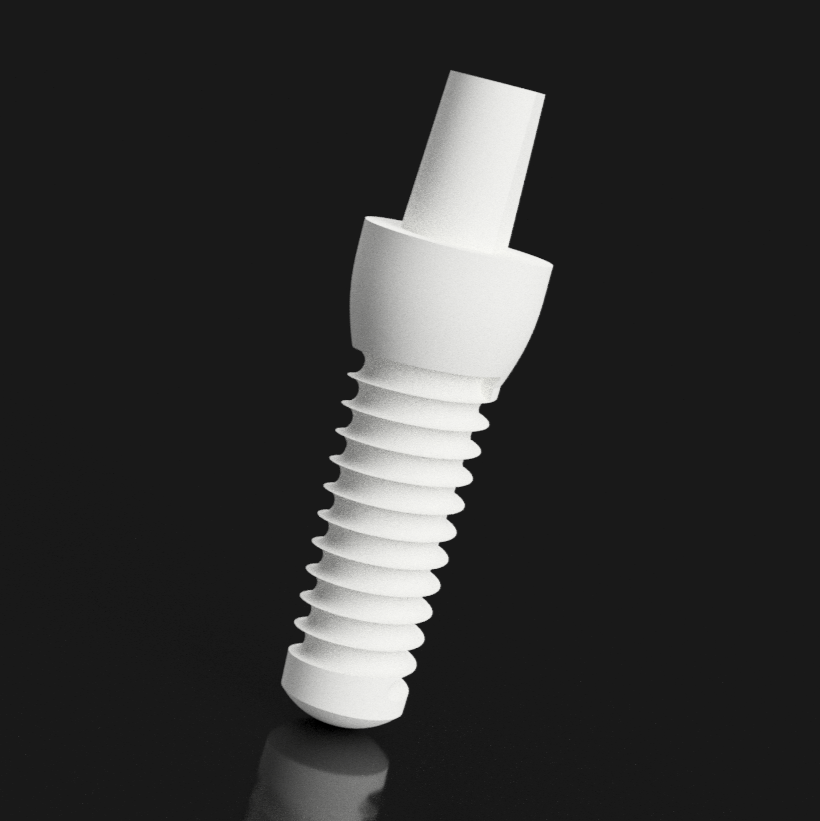
- Implant-related dental components
- Temporary or functional implant-supported structures
- Metal-free restorative concepts
- Custom structural dental components requiring high stiffness and fatigue resistance
Measured mechanical properties
- Tensile strength: up to 140 MPa (ISO 527-1 / ISO 527-2)
- Flexural strength: up to 140 MPa (ISO 178 / ISO 20795-1 reference framework)
- Young’s modulus: ~3000 MPa (ISO 527-1 / ISO 527-2)
- Elongation at break: <7% (ISO 527-1 / ISO 527-2)
- Compressive strength: up to 140 MPa (ISO 604 reference framework)
- Shore hardness: >D90 (ISO 868)
Measured physical properties
- Color: whitish
- Radiopacity: radiopaque (non-radioactive), visible under X-ray or CT imaging
- Water solubility: ≤1.6 µg/mm³ (reference methodology aligned with ISO 20795-1)
- Water sorption (ULWA): ≤32 µg/mm³ (reference methodology aligned with ISO 20795-1)
- Shrinkage: low
- Resolution capability: up to 20 µm
- Viscosity of LV version: <10000 mPas at 23°C ± 2°C (ISO 3219)
- Viscosity of HV version: <5000 mPas at 23°C ± 2°C (ISO 3219)
Functional performance characteristics
- Bioelastic structural behavior for balanced load distribution under occlusal forces
- Enhanced fracture and fatigue resistance under controlled laboratory processing conditions
- High surface stability and chemical resistance compared to conventional thermoplastic polymers
- Balanced micro-resilience and abrasion resistance
- Metal- and corrosion-free material platform
- Recommended for implant diameters/thicknesses of 4–5.5 mm (≥4 mm for enhanced structural performance)
- Geometry-dependent validation required for load-bearing applications
Processing and handling performance
- LV version: lower viscosity for printing below 25ºC or without heated vats
- HV version: higher viscosity for controlled processing above 25ºC
- Printable on most commercial and professional SLA, DLP and LCD 3D printers
- Low shrinkage and excellent dimensional stability
Chemical and safety characteristics
- Monomer-free formulation designed to reduce residual monomer content
- Residual monomer content controlled under validated curing and post-processing conditions (internal method)
- Organo-tin free formulation
Biocompatibility framework
- Biocompatibility-related evaluation may be performed according to ISO 10993 depending on formulation and validated workflow
- Manufacturing aligned with ISO 13485 quality management systems
- Final device validation remains responsibility of the legal manufacturer
Testing & processing disclaimer
Mechanical testing, fatigue validation and biocompatibility evaluation must be performed by device manufacturers within their selected printer, processing and post-curing protocols, as polymer conversion and final properties depend on workflow parameters.
Disclaimer
This material is supplied as a professional manufacturing material for laboratory workflows. It is not marketed as a finished medical implant. The regulatory classification, validation and compliance of any final medical device manufactured using this material remain the responsibility of the legal manufacturer in accordance with Regulation (EU) 2017/745.
This technical datasheet should be used together with the relevant processing, calibration, safety and workflow documentation available in the 3Dresyns® Resources section.
Document reference: TDS-OD-BCI1-MF-BIO-EN | Version: 2.0 | Last updated: March 2026
Choose options