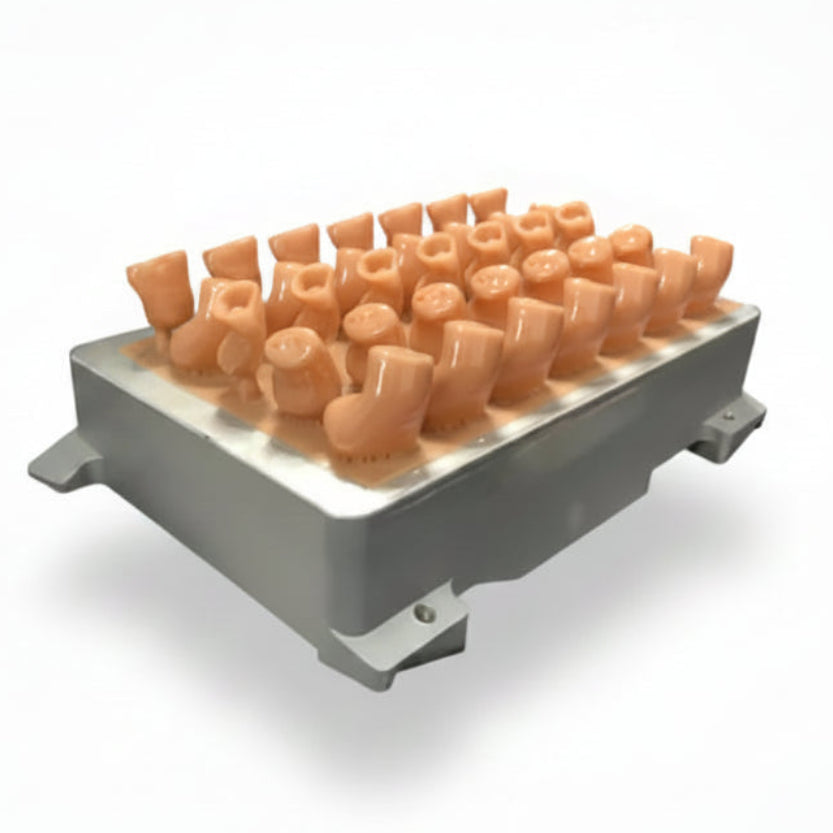
3D resins for otoplastics organized for audiology workflows, patient-fit geometries and custom ear-related components in SLA, DLP and LCD/MSLA printing.
This collection supports comparison of materials designed for earmolds, hearing-related components and otoplasty prototypes requiring surface quality, dimensional accuracy and controlled mechanical response.
Navigate by: fit accuracy, mechanical behavior, surface quality or audiology workflow requirements.
Select the grade according to workflow priority and validate the final resin choice for the intended printer, exposure settings, fit requirements and application constraints.
Audiology-focused material platform
This collection is structured for otoplastics workflows requiring accurate fit, smooth surface quality and repeatable processing for patient-specific geometries.
It includes materials with controlled mechanical response, ranging from rigid to flexible depending on the intended use and comfort requirements.
Quick selection by workflow priority
Material navigation
Choose your otoplastics material route
Use the routes below to access the most relevant material approach in this collection.
Typical routes
Key features & benefits
Material profile
Otoplastics-oriented photopolymers for custom-fit applications
These materials are designed for audiology workflows where fit accuracy, surface quality and mechanical response are critical for patient-specific parts.
Main advantages
- Otoplastics-oriented material selection
- Surface quality and fit-focused printing
- Controlled mechanical response from rigid to flexible depending on grade
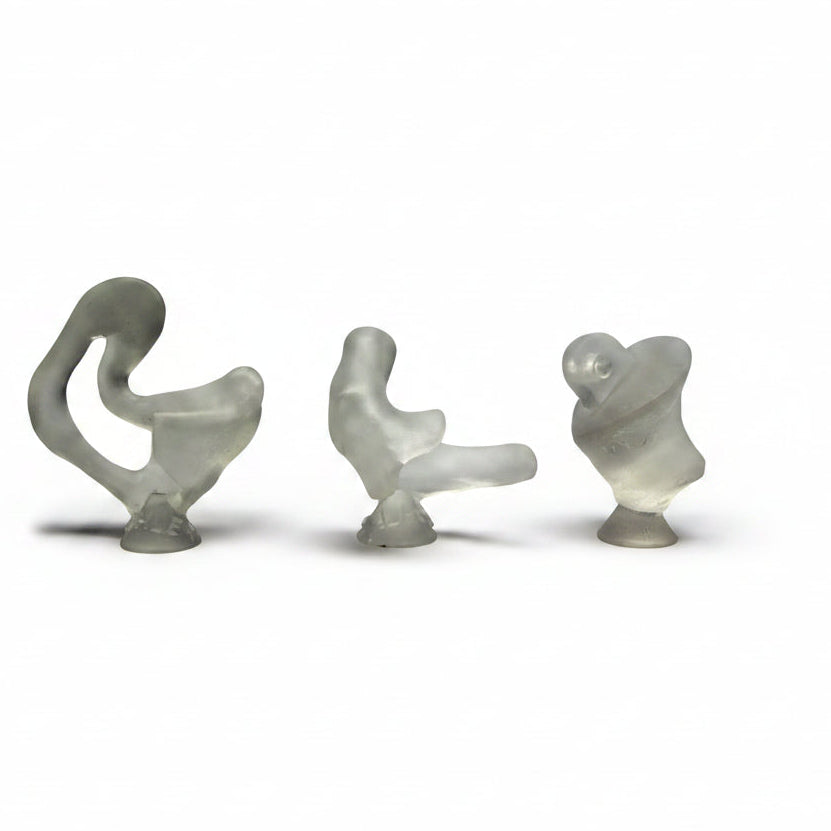
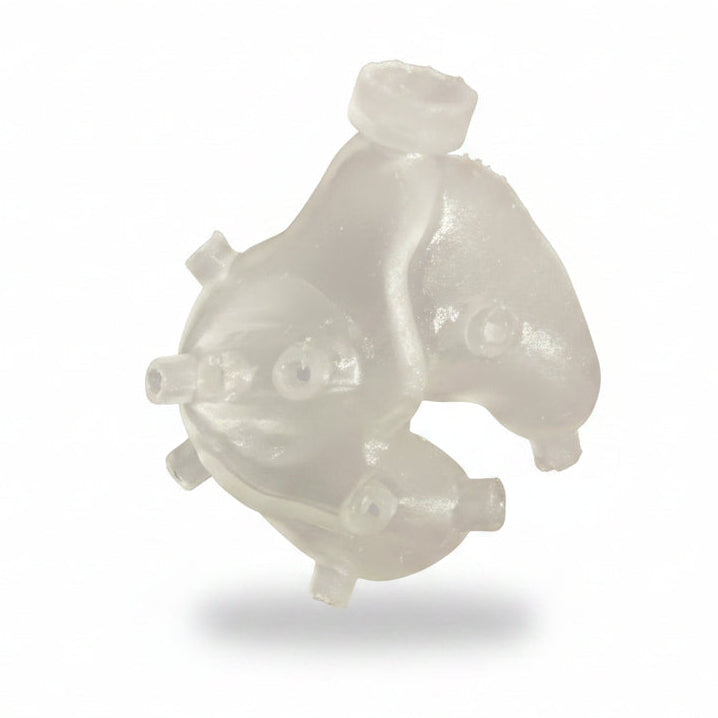
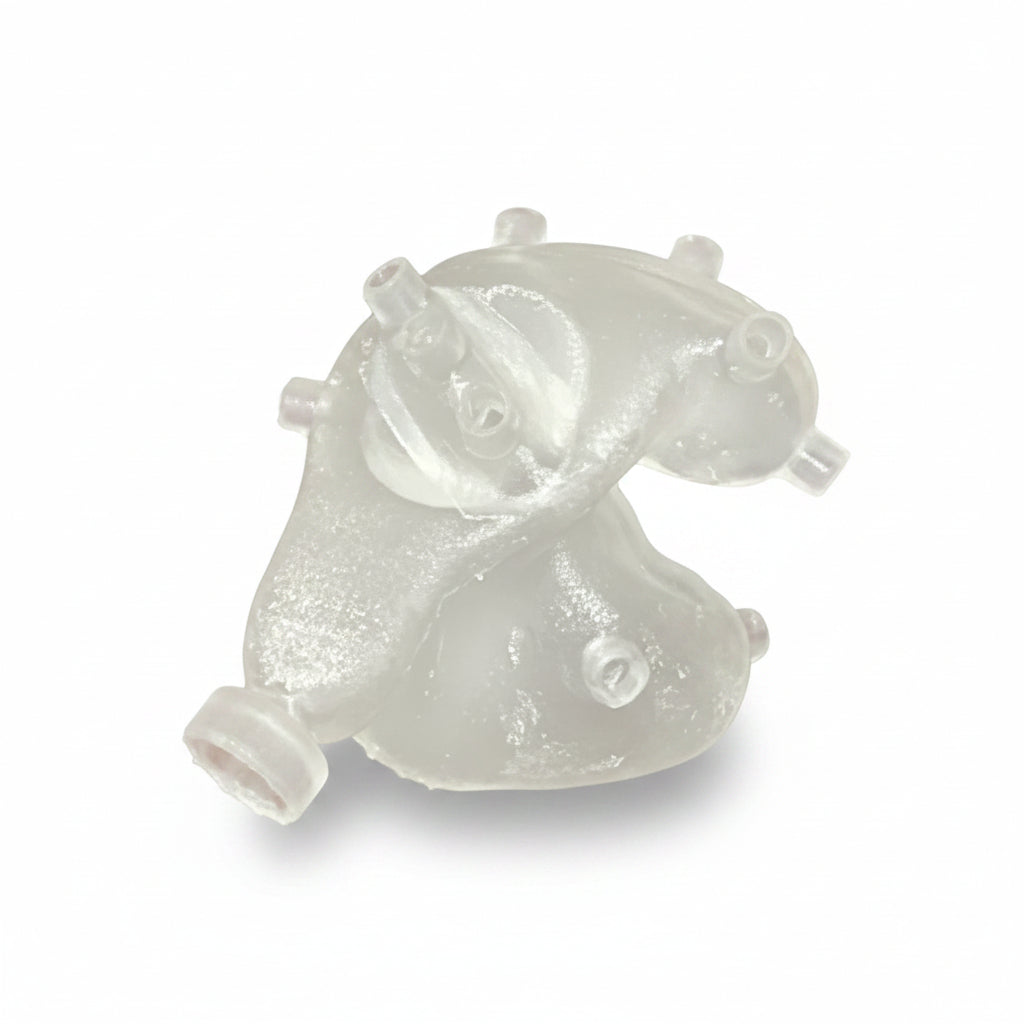
- Suitable for complex ear geometries and custom-fit components
- Stable printing and post-processing behavior
- Compatibility with audiology and patient-specific workflows
Typical uses
Typical applications
These resins are relevant for audiology and otoplastics workflows requiring precise fit and functional performance in ear-related geometries.
Application examples
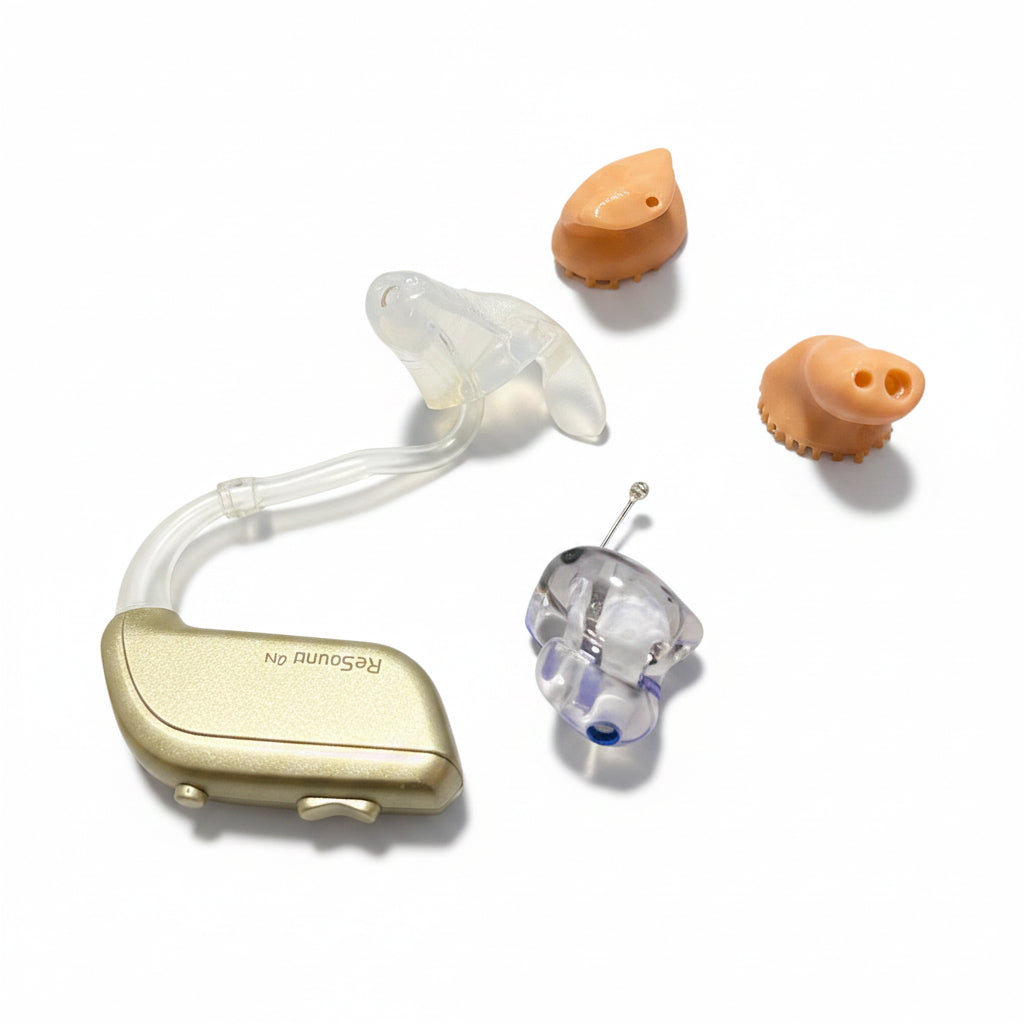
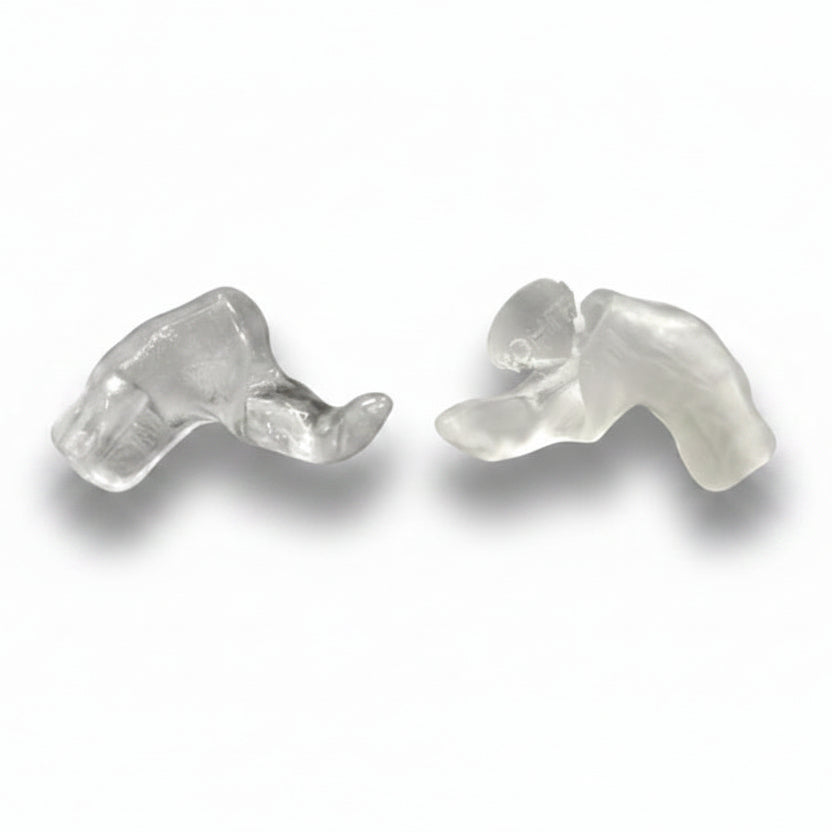
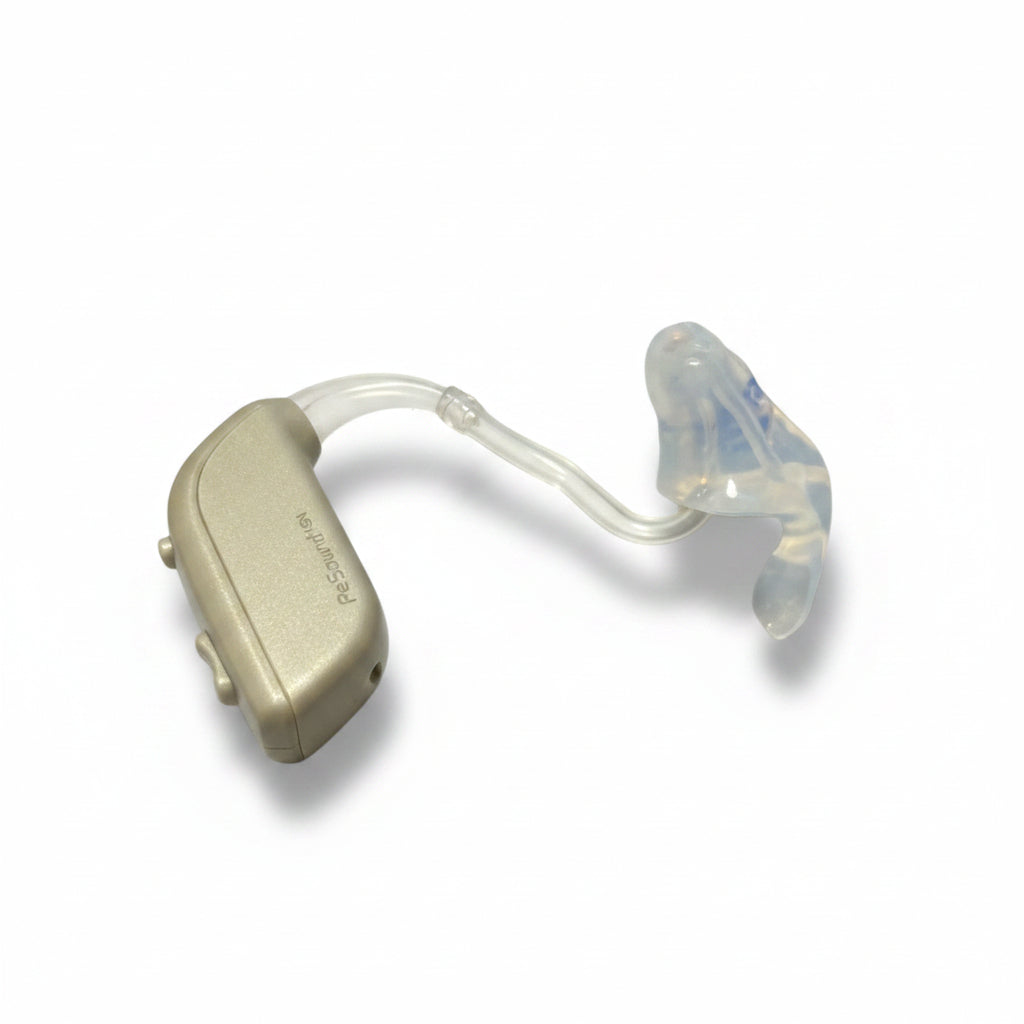
- Earmolds and patient-fit components
- Hearing aid shells where applicable
- Flexible comfort-oriented ear parts
- Otoplasty prototypes and validation parts
- Audiology workflow components
Collection overview
Products in this collection
Products in this collection are shown below.
This collection includes materials for earmolds, hearing-related components and custom-fit audiology parts requiring controlled mechanical response and high surface quality.
Selection logic
Decision guide
How to choose the right otoplastics resin
Select the most suitable grade according to whether your priority is fit precision, rigidity, flexibility or overall comfort and usability in the final part.
Decision guide
-
Need maximum fit accuracy → prioritize high-resolution, dimensionally stable materials
-
Need rigid shells → select materials with higher hardness and structural stability
-
Need flexible or comfort-oriented parts → choose softer or elastomeric grades
-
Need prototypes and validation → select materials aligned with workflow testing and iteration needs
Workflow principle
Fit and performance depend on the full workflow
Final performance depends on printer calibration, layer resolution, post-processing, polishing and the specific requirements of the audiology workflow.
These materials should be interpreted as part of a controlled manufacturing process where geometry, comfort, durability and fit must be validated together.
Regulatory positioning
3Dresyns otoplastics materials are supplied as professional manufacturing materials for additive manufacturing workflows in audiology and custom-fit environments.
These materials are not marketed as finished medical devices unless explicitly stated for a specific product and jurisdiction. The regulatory classification, validation and compliance of any final device manufactured using these materials remain the responsibility of the legal manufacturer of that device.
These materials are intended for audiology and custom-fit workflows. Final suitability depends on geometry, fit requirements, post-processing, comfort criteria and the specific use environment.
These products should be understood as engineering materials for otoplastics and audiology workflows. Final validation must always consider fit accuracy, mechanical behavior, user comfort and application-specific constraints.