
Biotough 3Dresyns
Biotough 3Dresyns is a biocompatible tough-resin collection for vat photopolymerization workflows where balanced toughness, dimensional accuracy and controlled biological interaction are required.
This range is positioned for durable technical parts, functional prototypes and professional manufacturing workflows that benefit from improved crack resistance versus standard rigid resins while maintaining grade-dependent hardness and handling performance.
Navigate by: Shore D hardness level, monomer-free versus monomer-based route, and application-driven toughness selection.
This collection includes biocompatible tough photopolymer systems developed for advanced additive manufacturing workflows where dimensional precision, durable part behavior and controlled workflow-dependent biological performance are important.
These materials are engineered as system-based formulations whose final performance depends on printer technology, exposure conditions, washing protocol, post-curing strategy and qualified process control.
Key features & benefits
Choose your Biotough route
Use the routes below to navigate the collection by hardness level and chemistry family.
- Biocompatible tough resin portfolio for professional manufacturing workflows.
- Improved resistance to cracking versus standard rigid resins.
- Balanced strength and toughness with grade-dependent hardness.
- Consistent printability and dimensional accuracy after post-cure.
- Availability of both monomer-free and monomer-based chemistry routes depending on grade.
Typical applications
Typical use scenarios across the collection
This collection is suitable for workflows where a part must resist handling stress better than a conventional rigid biocompatible resin while preserving reliable dimensional behavior.
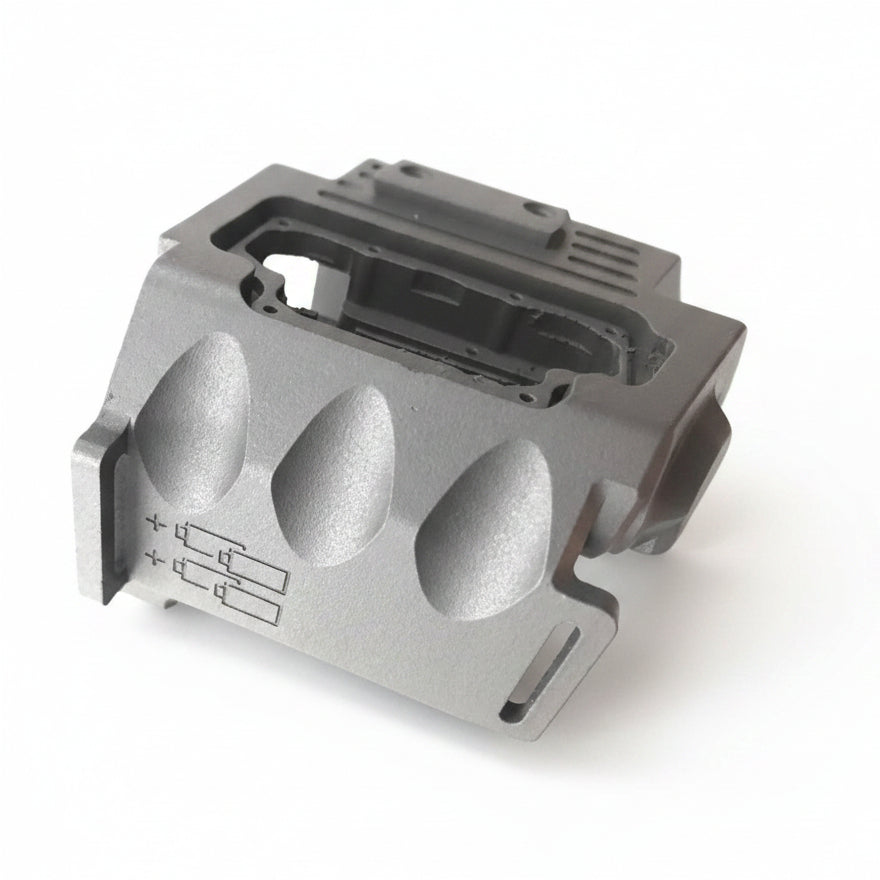
- Durable housings: printed shells and enclosures requiring better toughness and reduced cracking risk.
- Brackets, jigs and fixtures: technical parts that benefit from repeated handling and practical robustness.
- Mechanical components: functional prototypes and engineering parts exposed to moderate stress or impact.
- Professional biocompatible prototyping: controlled workflows where biological interaction and mechanical reliability are both relevant.
- Application-driven hardness tuning: selecting D70, D80 or D90 according to the required balance between flexibility, rigidity and toughness.
Why choose this collection
How to choose the right Biotough grade
Select the most suitable route according to the target Shore D hardness and whether the workflow prioritises a monomer-free or monomer-based chemistry family.
- Need the highest hardness in the range → choose 3Dresyn Biotough D90 MF Monomer Free
- Need an intermediate balance between hardness and toughness → choose a D80 grade
- Need the softer, more compliant route within the family → choose a D70 grade
- Need a monomer-free workflow → prioritise D90 MF, D80 MF or D70 MF
- Need a monomer-based route → evaluate D80 MB or D70 MB
- Prioritise maximum rigidity and hardness → start with D90 MF
- Prioritise middle-ground toughness and hardness → compare D80 MF and D80 MB
- Prioritise lower hardness with tough behavior → compare D70 MF and D70 MB
- Prioritise reduced-hazard / monomer-free positioning → start with the MF grades
Decision tree summary
Use this simplified logic before detailed printer qualification and application validation.
- Need very high hardness and tough behavior → D90 MF
- Need medium hardness with tough performance → D80 MF or D80 MB
- Need lower hardness with improved crack resistance → D70 MF or D70 MB
- Need a monomer-free workflow → use the MF route
- Need final biocompatibility and regulatory suitability → validate the exact grade under the final qualified workflow and intended use
Then confirm the final route under the intended printer, exposure strategy, washing method, post-cure protocol and application-specific compliance requirements.
Products in this collection
Shore D90 monomer-free tough biocompatible route
For workflows requiring the highest hardness level within the Biotough collection while maintaining the tough, crack-resistant positioning of the family.
Shore D80 tough biocompatible route
For workflows requiring an intermediate balance between toughness, rigidity and handling performance, with both monomer-based and monomer-free options available.
Shore D70 tough biocompatible route
For workflows requiring the lower-hardness end of the Biotough family while preserving durable part behavior and reduced cracking tendency versus standard rigid grades.
Monomer-free Biotough grades
For workflows that prioritise the monomer-free family while still selecting the most appropriate hardness level for the application.
Monomer-based Biotough grades
For workflows where the monomer-based family is preferred and the final selection is driven mainly by the required hardness level.
Technical overview table
Workflow-dependent performance
Mechanical behavior, surface characteristics, dimensional accuracy and biological interaction outcomes depend on multiple interacting variables, including formulation version, exposure strategy, printer calibration, washing procedure and post-curing conditions.
Successful implementation therefore requires alignment between material selection, hardness target, equipment capability and strict adherence to qualified Instructions for Use.
| Material | Hardness route | Chemistry route | Primary role | Main behavior | Regulatory & safety positioning | Technology | Typical positioning | Target workflow |
|---|---|---|---|---|---|---|---|---|
| 3Dresyn Biotough D90 MF Monomer Free | Shore D90 | Monomer-free | Highest-hardness tough biocompatible grade in the collection | Very hard, tough and crack-resistant route with dimensional accuracy after post-cure | Biocompatible, low hazard, monomer-free positioning | SLA / DLP / LCD-MSLA / vat photopolymerization | Durable housings, functional technical parts, jigs, fixtures and mechanical components needing higher rigidity | Professional manufacturing workflows requiring tough behavior with the highest hardness level in the Biotough family |
| 3Dresyn Biotough D80 MB Monomer Based | Shore D80 | Monomer-based | Intermediate-hardness tough biocompatible grade | Balanced strength and toughness with mid-range hardness | Biocompatible, monomer-based route | SLA / DLP / LCD-MSLA / vat photopolymerization | Functional prototypes, brackets, housings and handling-exposed technical parts | Professional workflows requiring D80 hardness with a monomer-based route |
| 3Dresyn Biotough D80 MF Monomer Free | Shore D80 | Monomer-free | Intermediate-hardness monomer-free tough biocompatible grade | Balanced toughness and rigidity with monomer-free positioning | Biocompatible, low hazard, monomer-free positioning | SLA / DLP / LCD-MSLA / vat photopolymerization | Durable prototypes, brackets, jigs and fixtures needing a middle-ground hardness level | Professional workflows requiring D80 hardness in a monomer-free system |
| 3Dresyn Biotough D70 MF Monomer Free | Shore D70 | Monomer-free | Lower-hardness monomer-free tough biocompatible grade | Tougher, more compliant route within the family with improved crack resistance versus rigid resins | Biocompatible, low hazard, monomer-free positioning | SLA / DLP / LCD-MSLA / vat photopolymerization | Functional prototypes and technical parts that benefit from lower hardness and durable handling behavior | Professional workflows requiring the softer monomer-free end of the Biotough family |
| 3Dresyn Biotough D70 MB Monomer Based | Shore D70 | Monomer-based | Lower-hardness monomer-based tough biocompatible grade | Tough and more compliant route for handling-exposed or moderate-impact parts | Biocompatible, monomer-based route | SLA / DLP / LCD-MSLA / vat photopolymerization | Brackets, fixtures, prototypes and durable technical parts needing lower hardness | Professional workflows requiring the softer monomer-based end of the Biotough family |
Mobile: scroll horizontally to view all columns. The first column remains visible while scrolling.
Portfolio overview
A structured tough-biocompatible platform rather than a single-grade page
This collection is clearly structured around three Shore D hardness levels and two chemistry families, allowing selection by mechanical target as well as workflow preference.
- D90 MF covers the highest-hardness route.
- D80 MB and D80 MF cover the intermediate-hardness route.
- D70 MB and D70 MF cover the lower-hardness route.
- MF grades cover the monomer-free route, while MB grades cover the monomer-based route.
Workflow note
The right Biotough grade depends on the final workflow, not only on the product name
Biocompatibility-related testing may be performed under controlled laboratory conditions depending on the formulation and version, and reported results should not be interpreted as intrinsic or unconditional properties of the liquid resin alone.
These materials are structured material systems. Final performance and biological response are workflow-dependent outcomes obtained under reference configurations, not intrinsic constants independent of processing variables.
The regulatory classification, validation and compliance of any final medical device manufactured using these materials remain the sole responsibility of the legal manufacturer of that device in accordance with applicable regulations.
Technical and commercial support
Documentation, technical selection help and workflow support
Use the resources below to move from grade preselection to printer qualification, workflow validation and broader technical support.
Final CTA
Select the right Biotough grade and validate the final qualified workflow
Use the route-based navigation above to identify the most relevant hardness and chemistry family, compare candidates in the technical overview table, and move forward with application-specific validation for durable biocompatible parts produced under controlled vat photopolymerization workflows.
Sort by
Filters
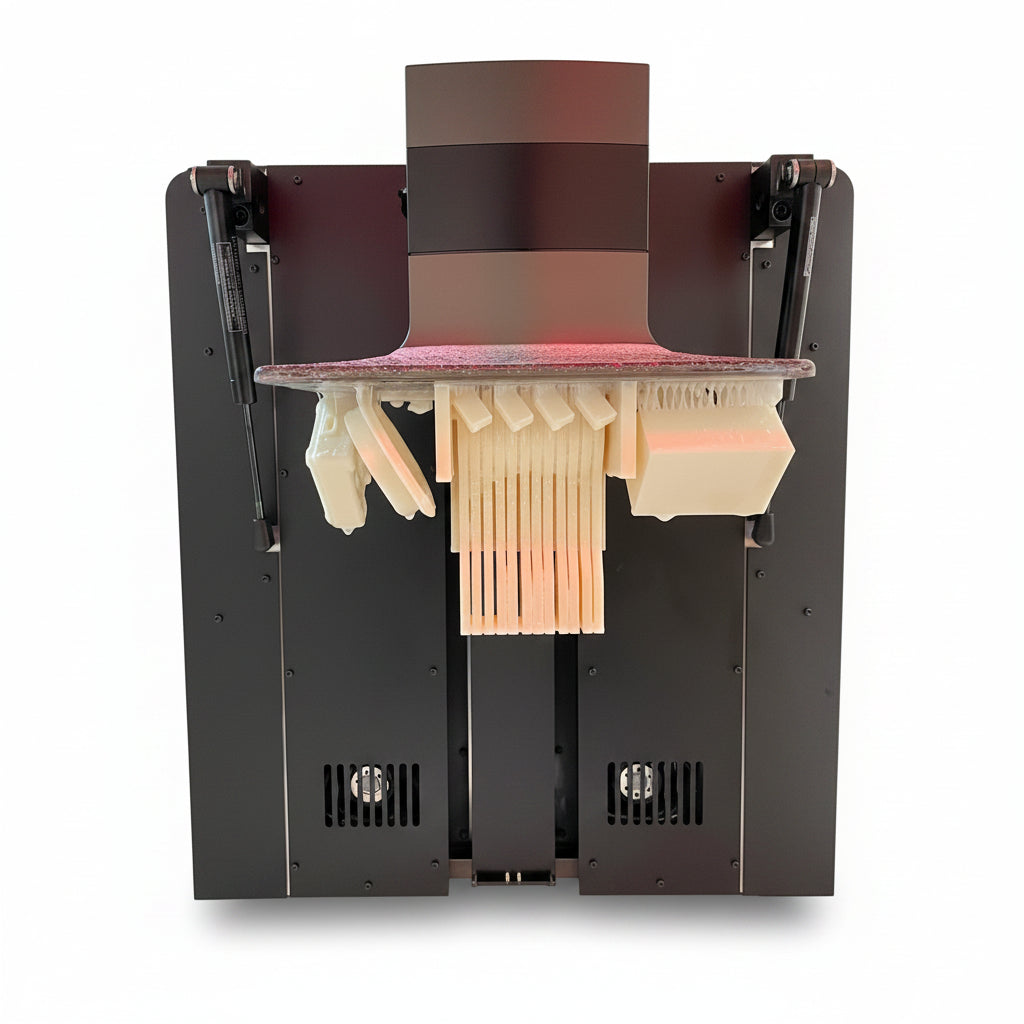
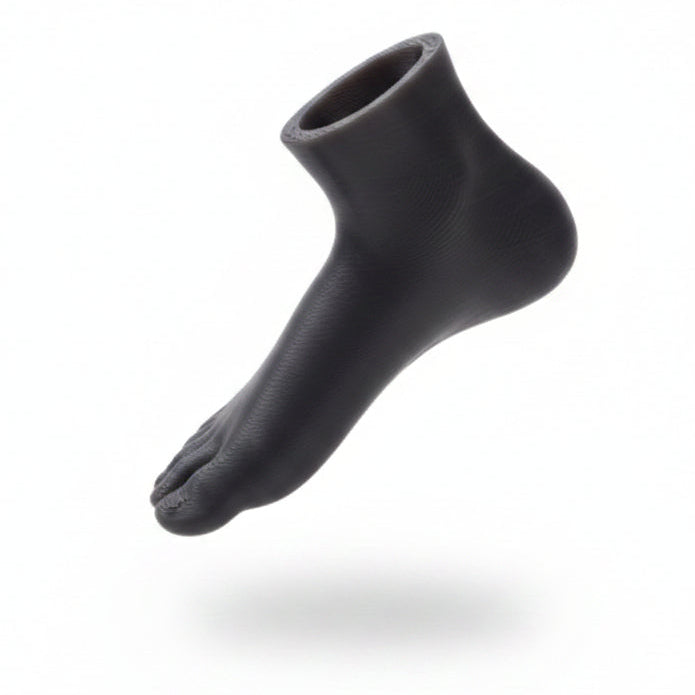
From prototyping to industrial production, performance depends on materials, calibration and process control