
COVID-19 Emergency
COVID-19 Emergency is a focused 3Dresyns collection for rapid additive manufacturing workflows where availability, repeatability and practical processing are critical in urgent-response scenarios.
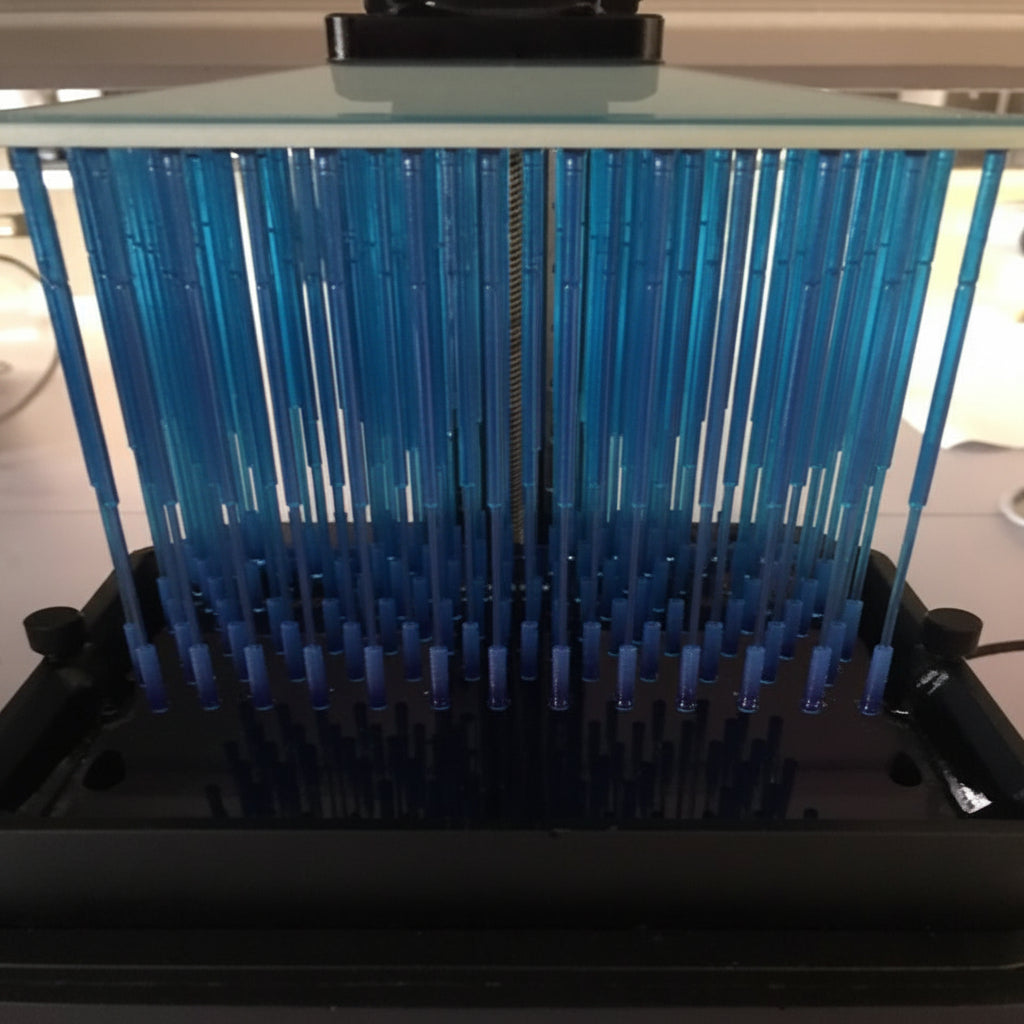
This range is positioned for emergency-driven manufacturing of functional parts, prototypes and time-sensitive components using common SLA, DLP and LCD/MSLA technologies.
Navigate by: semi-rigid route, semi-flexible route, flexible route, rigid ultra-hard route and emergency-part selection logic.
This collection includes 3Dresyns materials developed to support emergency additive manufacturing needs during urgent-response and rapid production scenarios.
These materials are intended for fast and reliable manufacturing workflows where repeatability, practical post-processing and stable part production are essential to enable decentralized manufacturing of functional emergency-related parts.
Key features & benefits
Choose your emergency-printing route
Use the routes below to navigate the collection by part rigidity and mechanical behavior in time-sensitive manufacturing contexts.
- Rapid manufacturing focus for emergency-response workflows.
- Stable part production with practical post-processing logic.
- Repeatable printing on common SLA, DLP and LCD/MSLA platforms.
- Coverage of rigid, semi-rigid, foldable and flexible mechanical routes.
- Suitable for decentralized production of urgent functional parts and prototypes.
Typical applications
Typical use scenarios across the collection
This collection is suitable for workflows where urgent manufacturing, functional deployment and rapid response are more important than long material-selection cycles.
- Emergency-related components: time-sensitive functional parts for urgent manufacturing contexts.
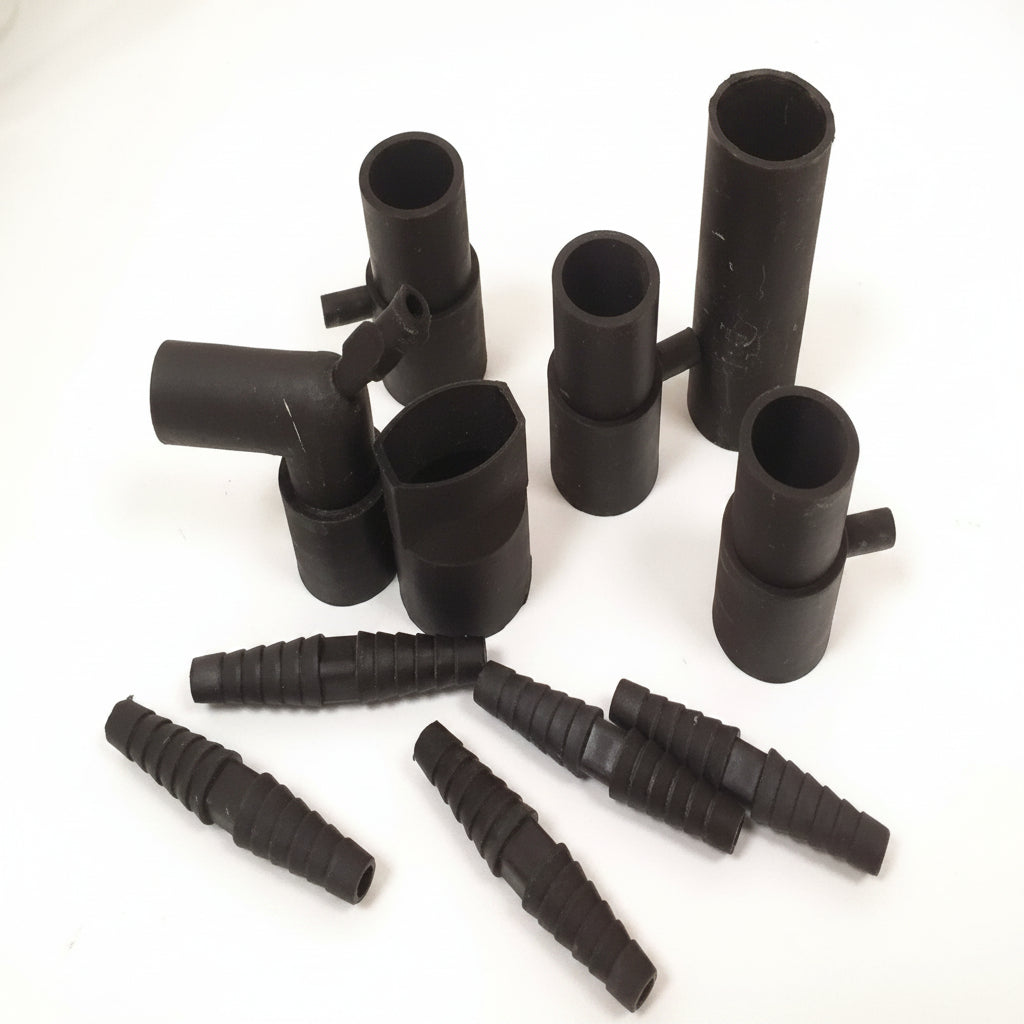
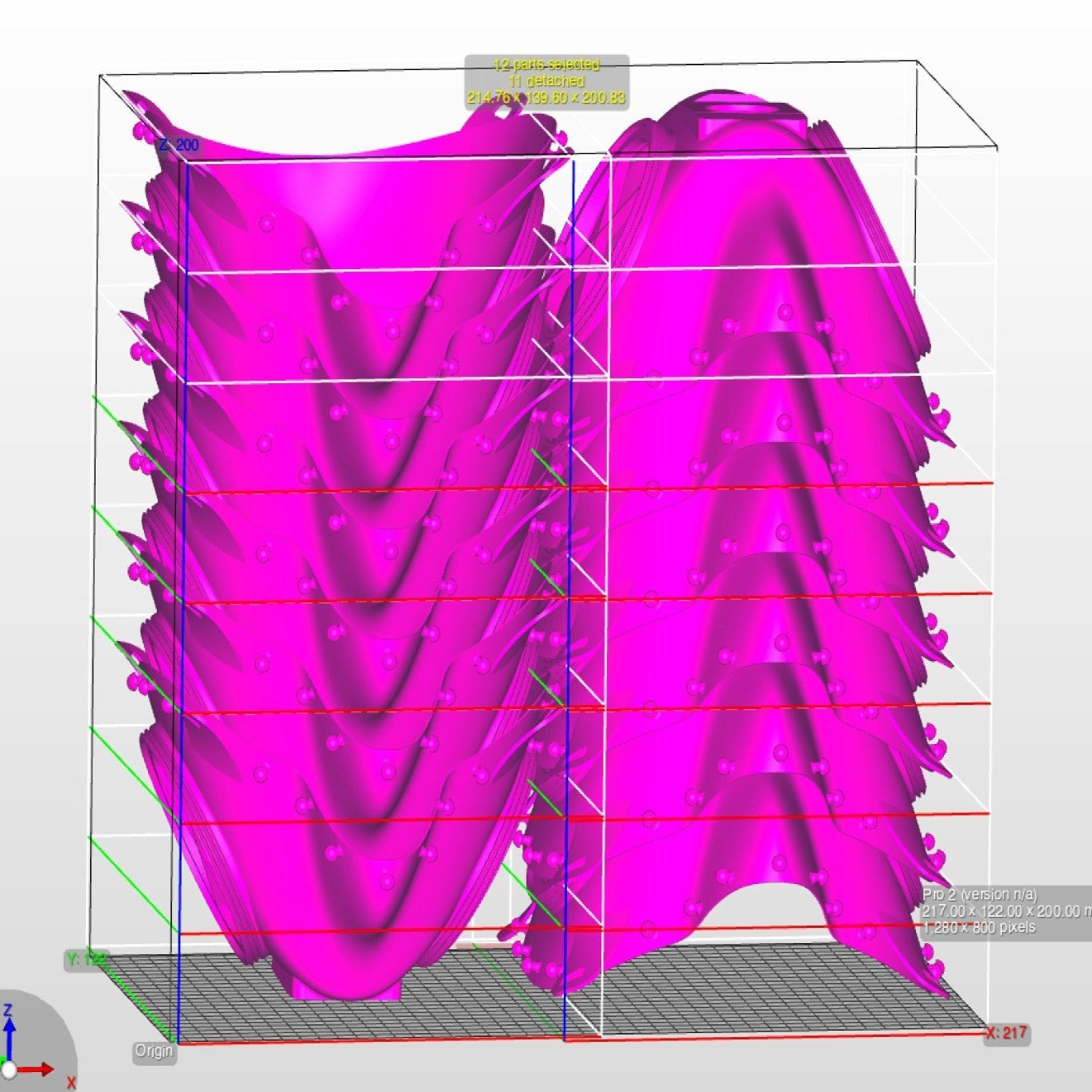
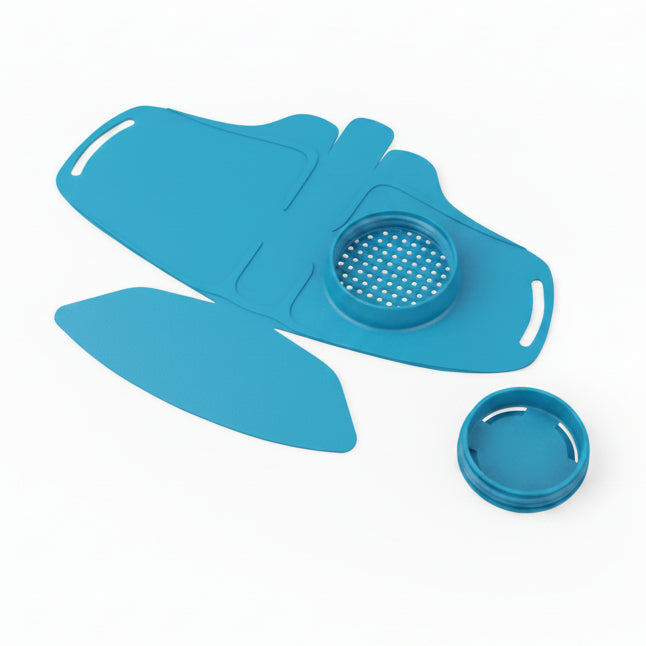
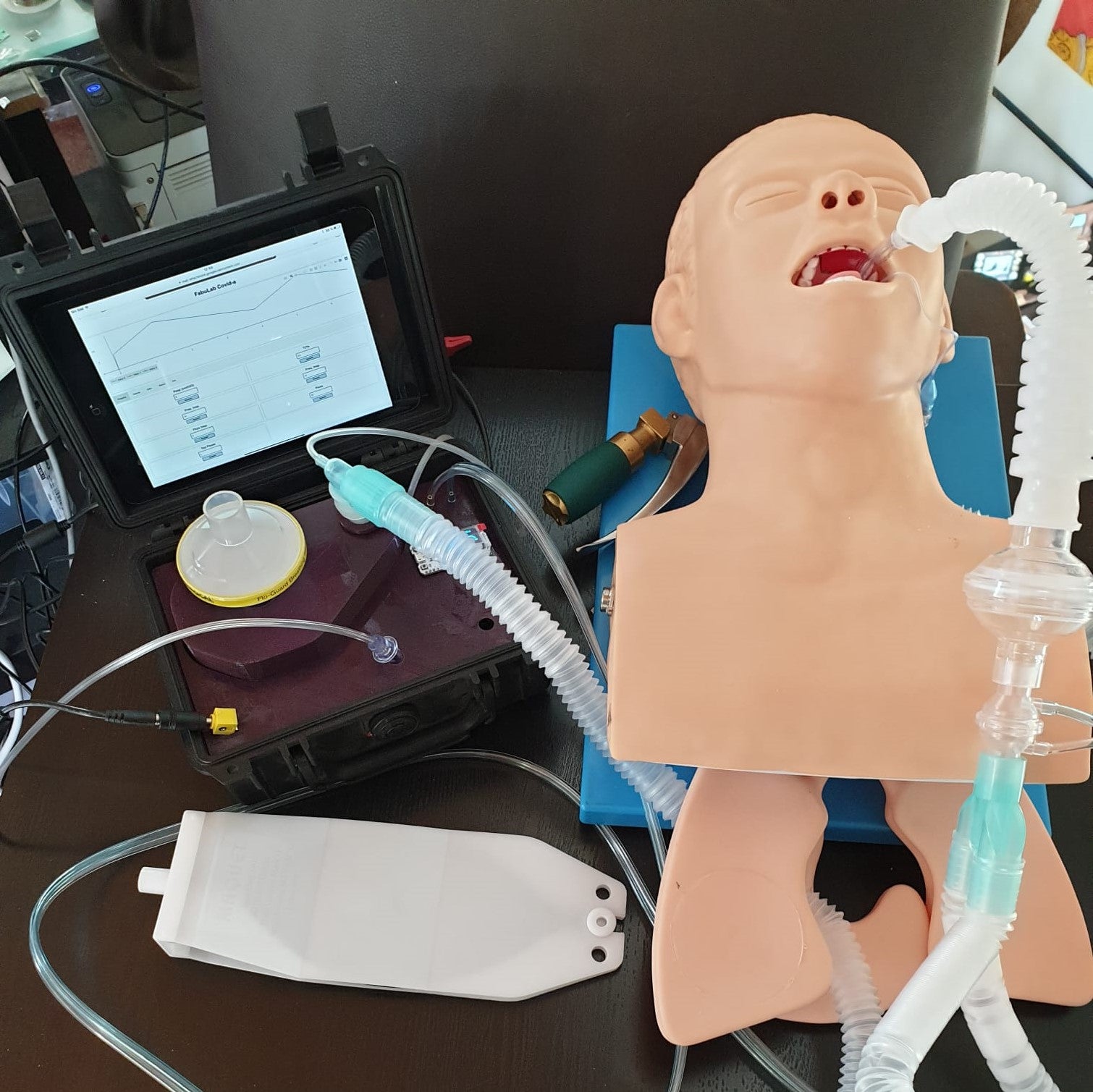
- Respirator-related parts: masks, semi-flexible structures, rigid subcomponents, turbines, fans and blades according to the selected grade.
- Healthcare and laboratory support: rapid-response parts for controlled technical environments.
- Decentralized additive manufacturing: urgent local production using common vat photopolymerization printers.
- Response-driven prototyping: fast development and evaluation of emergency-use concepts and functional components.
Why choose this collection
How to choose the right emergency-printing grade
Select the most suitable route according to whether the target part must be semi-rigid, foldable, flexible or highly rigid and ultra-hard.
- Need tough semi-rigid parts → choose 3Dresyn EP1 TD80
- Need semi-flexible and foldable parts → choose 3Dresyn EP2 TFD80
- Need flexible respirator-mask style parts → choose 3Dresyn EP3 TFD30 Black
- Need rigid, ultra-hard and very safe parts → choose 3Dresyn EP4 RTD90
- Prioritise dimensional stability with tough handling → start with EP1 TD80
- Prioritise controlled foldability → start with EP2 TFD80
- Prioritise flexible mask-style behavior → start with EP3 TFD30 Black
- Prioritise maximum rigidity and safety-oriented positioning → start with EP4 RTD90
Decision tree summary
Use this simplified logic before detailed emergency-part validation and printer qualification.
- Need tough semi-rigid emergency parts → EP1 TD80
- Need semi-flexible and foldable emergency parts → EP2 TFD80
- Need flexible emergency mask-type parts → EP3 TFD30 Black
- Need rigid fans, turbines, blades or other ultra-hard parts → EP4 RTD90
- Need final deployment confidence → validate the selected route under the exact printer, exposure, wash, post-cure and application-specific workflow
Then confirm the final route under the intended equipment, cure settings, part geometry and emergency-use manufacturing protocol.
Products in this collection
Tough semi-rigid emergency-printing grade
For workflows requiring tough and semi-rigid parts such as masks, swabs and related urgent-use components.
Tough and foldable semi-flexible emergency-printing grade
For workflows requiring semi-flexible parts with foldability, especially for respirator-mask related concepts and similar urgent-use components.
Tough, flexible and foldable emergency-printing grade
For workflows requiring more flexible printed parts, especially flexible respirator-mask style applications.
Rigid, tough and ultra-hard emergency-printing grade
For workflows requiring rigid parts such as respirator turbines, fans, blades and other highly dimensionally stable urgent-use components.
Technical overview table
Workflow-dependent performance
Final part behavior, dimensional accuracy, durability and emergency-manufacturing suitability depend on the interaction between the selected material, the target part geometry, the printer, the exposure settings and the post-processing workflow.
Successful implementation therefore requires alignment between part function, mechanical route, printer capability and qualified rapid-manufacturing workflow.
| Material | Primary role | Core concept | Main behavior | Mechanical route | Regulatory & safety positioning | Technology | Typical positioning | Target workflow |
|---|---|---|---|---|---|---|---|---|
| 3Dresyn EP1 TD80 | Emergency-printing resin | Tough route for semi-rigid emergency parts | Supports durable semi-rigid printed parts for urgent production | Tough / semi-rigid | Professional emergency-use positioning | SLA / DLP / LCD-MSLA / vat photopolymerization | Masks, swabs and similar semi-rigid emergency-related components | Rapid additive manufacturing workflows requiring tough semi-rigid parts with repeatable processing |
| 3Dresyn EP2 TFD80 | Emergency-printing resin | Tough and foldable route for semi-flexible emergency parts | Supports semi-flexible, foldable printed parts for urgent production | Tough / semi-flexible / foldable | Professional emergency-use positioning | SLA / DLP / LCD-MSLA / vat photopolymerization | Respirator-mask related parts and other foldable emergency-use components | Rapid manufacturing workflows requiring controlled foldability and durable handling |
| 3Dresyn EP3 TFD30 Black | Emergency-printing resin | Tough, flexible and foldable route for flexible emergency parts | Supports more flexible printed parts for urgent production | Tough / flexible / foldable | Professional emergency-use positioning | SLA / DLP / LCD-MSLA / vat photopolymerization | Flexible respirator-mask style parts and related flexible emergency-use components | Rapid manufacturing workflows requiring flexible functional parts |
| 3Dresyn EP4 RTD90 | Emergency-printing resin | Rigid, tough and ultra-hard route for emergency parts | Supports rigid, very hard printed parts for urgent production | Rigid / tough / ultra-hard | Low hazard / monomer-free positioning | SLA / DLP / LCD-MSLA / vat photopolymerization | Respirator turbines, fans, blades and other rigid urgent-use components | Rapid manufacturing workflows requiring rigid, dimensionally stable and safety-oriented parts |
Mobile: scroll horizontally to view all columns. The first column remains visible while scrolling.
Portfolio overview
A structured emergency-printing platform rather than a single material page
This collection is clearly structured around four mechanical routes so users can select the most suitable material according to part flexibility and urgent-use function.
- EP1 TD80 covers the tough semi-rigid route.
- EP2 TFD80 covers the tough and foldable semi-flexible route.
- EP3 TFD30 Black covers the tough, flexible and foldable route.
- EP4 RTD90 covers the rigid, tough and ultra-hard route.
Workflow note
The right emergency-printing result depends on the workflow, not only on the resin name
These materials are intended for emergency-response and rapid-manufacturing workflows, but final performance remains process-dependent. Print quality, dimensional accuracy and part behavior depend on the full manufacturing sequence rather than on the liquid resin alone.
In practice, the correct path is to define the target part function first, then validate the selected route under the exact printer, exposure settings, washing method, post-curing protocol and intended-use requirements.
The final suitability of printed parts for any healthcare, laboratory or emergency-related application must always be validated by the user according to the specific use case and applicable technical or regulatory requirements.
Technical and commercial support
Documentation, technical selection help and workflow support
Use the resources below to move from material preselection to printer qualification, exposure calibration and broader technical support.
Final CTA
Select the right emergency-printing route and validate the final rapid-manufacturing workflow
Use the route-based navigation above to identify the most relevant mechanical route, compare candidates in the technical overview table, and move forward with application-specific validation for urgent additive manufacturing of functional emergency-related parts.
Sort by
Filters

From prototyping to industrial production, performance depends on materials, calibration and process control