
Hydrogel 3D resins
Hydrogel 3D resins organized for water-interacting, swellable and soft functional systems in research, tissue engineering and bioengineering workflows.
This collection is not defined by one single dry-state mechanical profile. Hydrogel systems are selected according to their interaction with water, swelling behavior, hydrated softness and functional behavior in aqueous environments.
Navigate by: swelling need, hydration behavior, soft functional response or research application context.
Unlike standard resins, hydrogel systems are selected by how they swell, soften and behave after interaction with water or aqueous media.
That means selection must start from hydration and swelling behavior rather than from dry-state printability alone.
Quick selection by hydrogel objective
Choose your hydrogel route
Select the hydrogel family according to the intended hydrated behavior and application context.
Key features & benefits
Hydrated-state behavior is the real performance metric
The collection text itself already frames hydrogels as water-interacting and swellable systems for research, microfluidic and bioengineering concepts. The correct interpretation is therefore: hydrogel function in water first, photopolymer printability second.
- Water interaction and swelling behavior depending on system
- Soft and responsive property profiles
- Research-focused hydrogel formulations
- Suitability for tissue engineering and bioengineering concepts
- Compatibility with specialized hydrogel printing workflows
- Potential use in microfluidic and soft biomedical demonstrators
Products in this collection
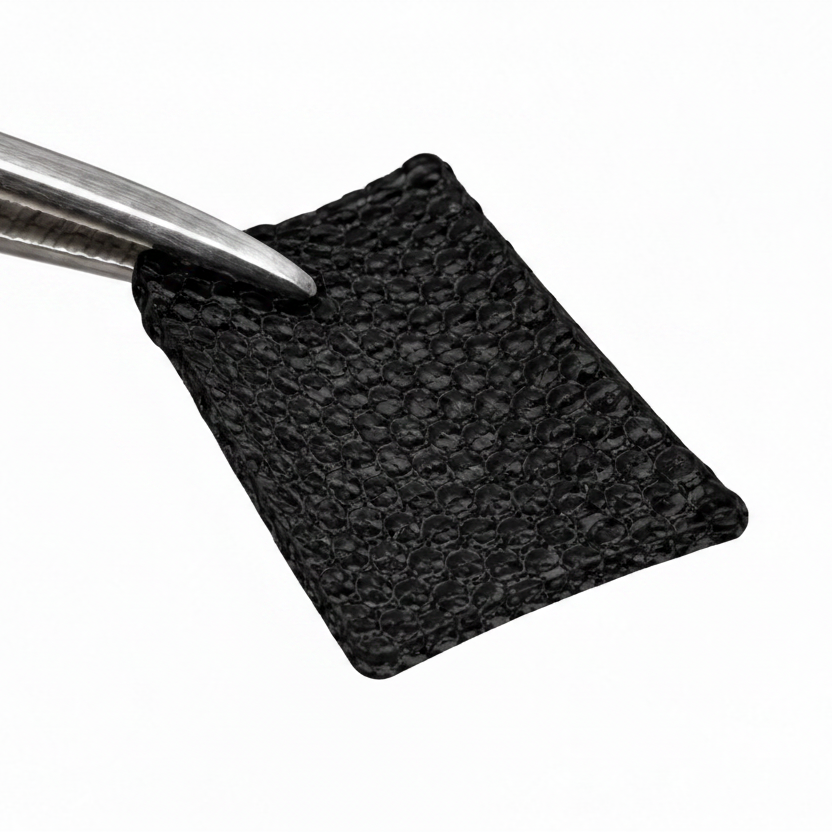
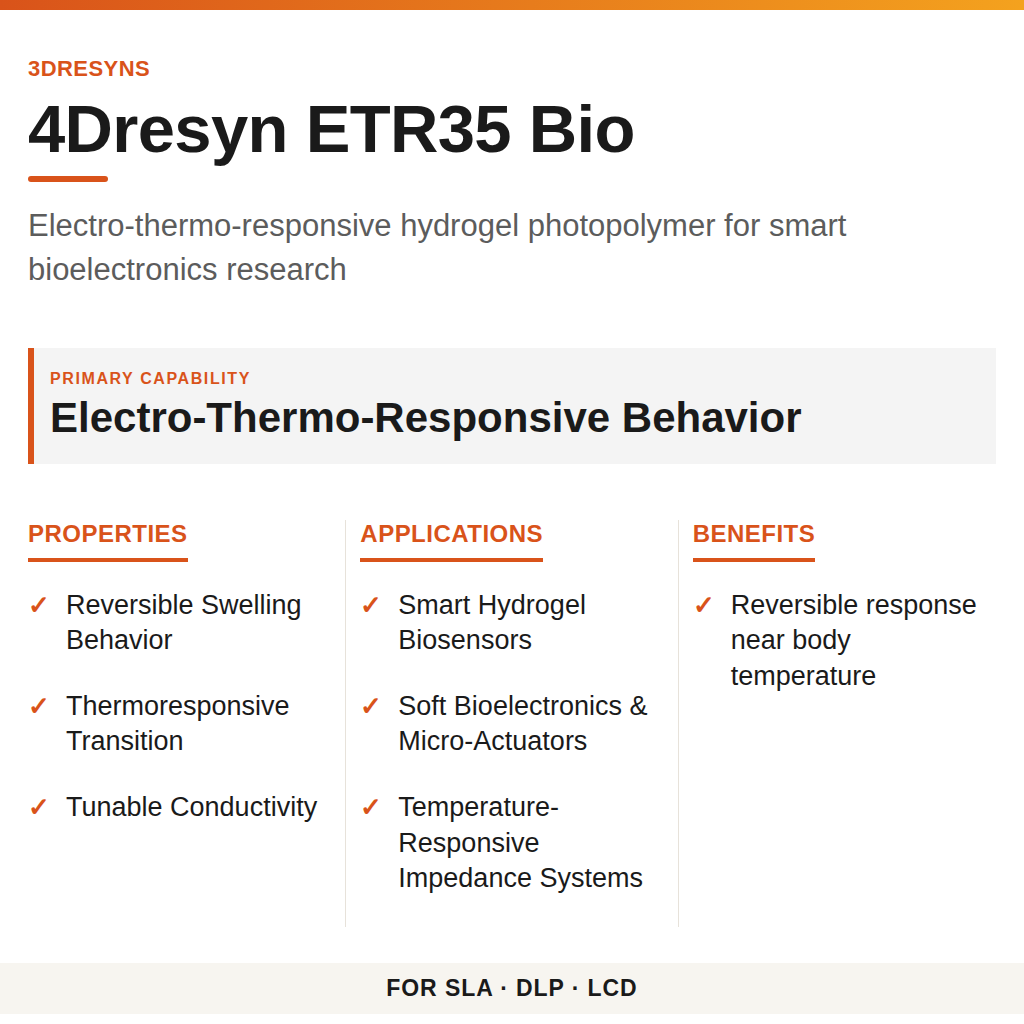
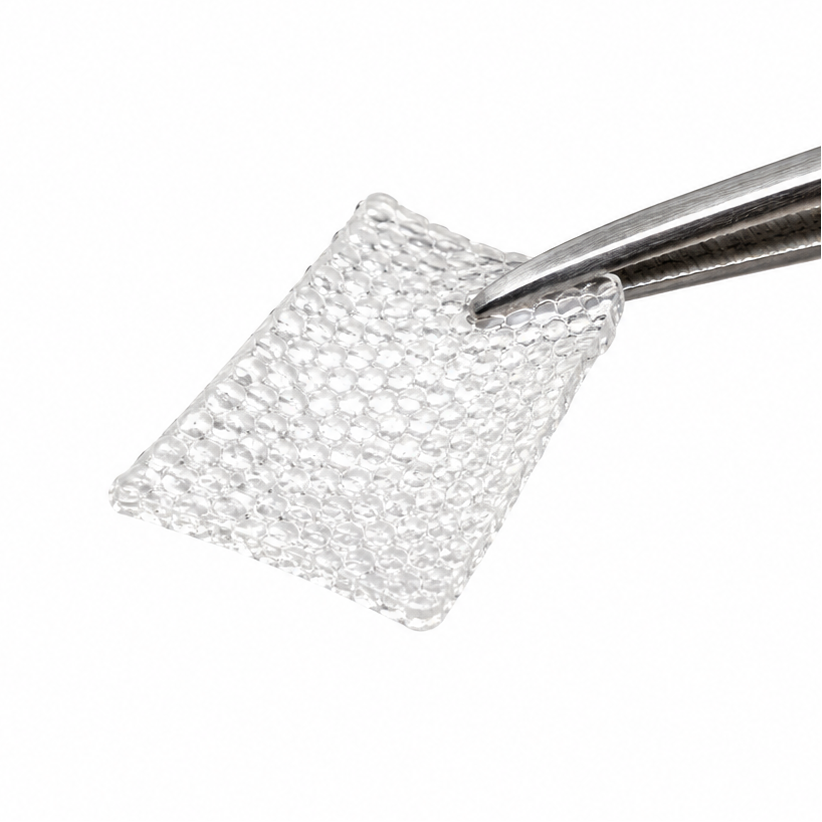
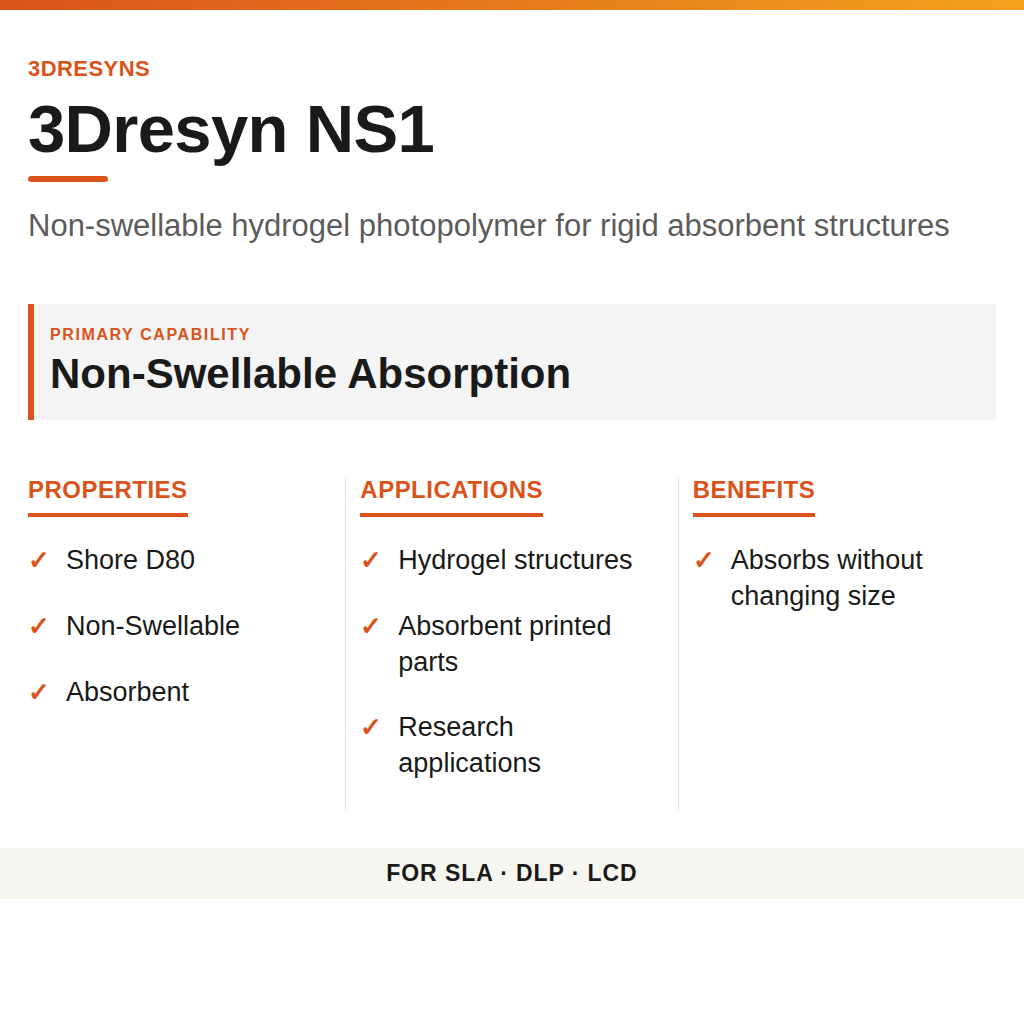
Products in this collection are shown below.
This collection includes hydrogel routes designed for water-compatible, soft and research-oriented functional behavior rather than standard rigid photopolymer performance.
Hydrogel behavior and technical roles
Swelling and water-uptake route
The first key selection axis in any hydrogel collection is the desired interaction with water: high swelling, moderate swelling or reduced swelling depending on geometry and target use.
- Dry-state dimensions do not predict final hydrated dimensions directly
- Water uptake changes both size and mechanical behavior
- Swelling level affects dimensional accuracy in use
- Hydrogel selection should start from the required aqueous-state geometry
- Swelling studies
- Water-responsive demonstrators
- Soft hydrated architectures
- Material comparison under aqueous conditions
Soft hydrated mechanical response
Hydrogels are not only defined by swelling; they are also selected by how soft, deformable and compliant they become once hydrated.
- Hydrated modulus is more relevant than dry-state handling stiffness
- Softness changes with water content
- Hydrated flexibility must be matched to the end-use geometry
- Soft response is often the target property rather than an unwanted side effect
- Soft biomedical prototypes
- Compliant hydrated structures
- Water-compatible functional demonstrators
- Hydrated deformation studies
Bioengineering and tissue-engineering R&D route
The collection is explicitly framed around research-focused formulations for tissue engineering, bioengineering and microfluidic concepts. This means the real value of the collection lies in hydrated functional testing and application-driven experimental work.
- Hydrogel choice must align with the intended research model
- Geometry, porosity and hydration behavior all interact
- Final validation must happen under the target biological or aqueous conditions
- These systems are not interchangeable with standard flexible resins
- Tissue-engineering R&D
- Bioengineering prototypes
- Microfluidic and soft-lab concepts
- Water-compatible research demonstrators
Selection logic
How to choose the right hydrogel system
Selection should start from hydrated-state function rather than dry-state printability.
- Need strong water interaction → prioritize swelling-focused hydrogel routes
- Need soft hydrated response → prioritize compliant hydrated systems
- Need tissue-engineering or bioengineering relevance → choose according to the final aqueous application model
Dry printability is not the final performance state
For hydrogel systems, the printed dry part is only an intermediate state. Final behavior emerges after hydration, swelling and equilibration in the intended environment.
Engineering note
Final hydrogel performance depends on swelling ratio, hydration medium, exposure settings, geometry, crosslink density and post-processing conditions.
Interpretation principle
These products should be understood as hydrated functional material routes rather than as standard resins with minor water interaction. Final validation must always be carried out in the intended hydrated environment.
Hydrogel 3D printing references
Compare hydrogel routes by swelling and hydrated response
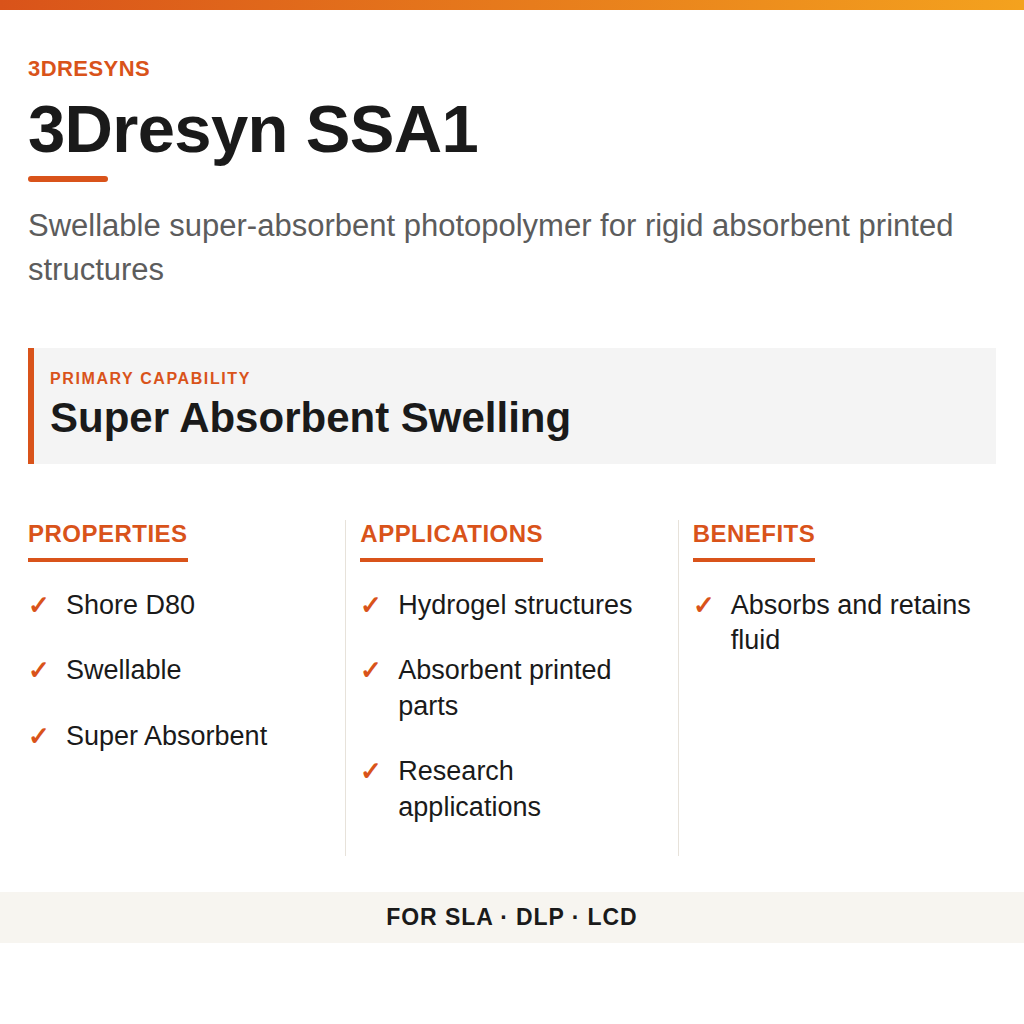
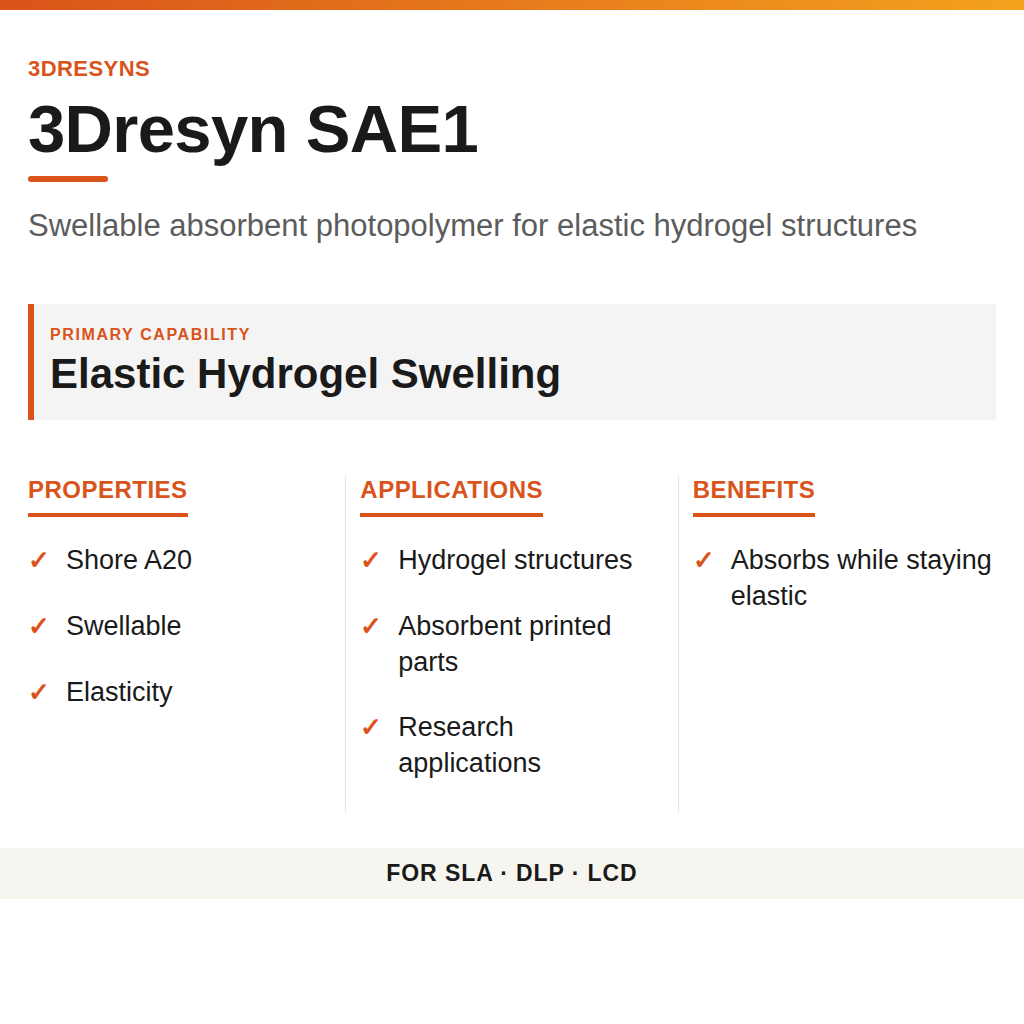
For hydrogel 3D printing, compare the available routes according to swelling behaviour, absorbency and the required hydrated-state mechanical response rather than dry-part behaviour alone.
Sort by
From prototyping to industrial production, performance depends on materials, calibration and process control