
3D resins for printing durable molds
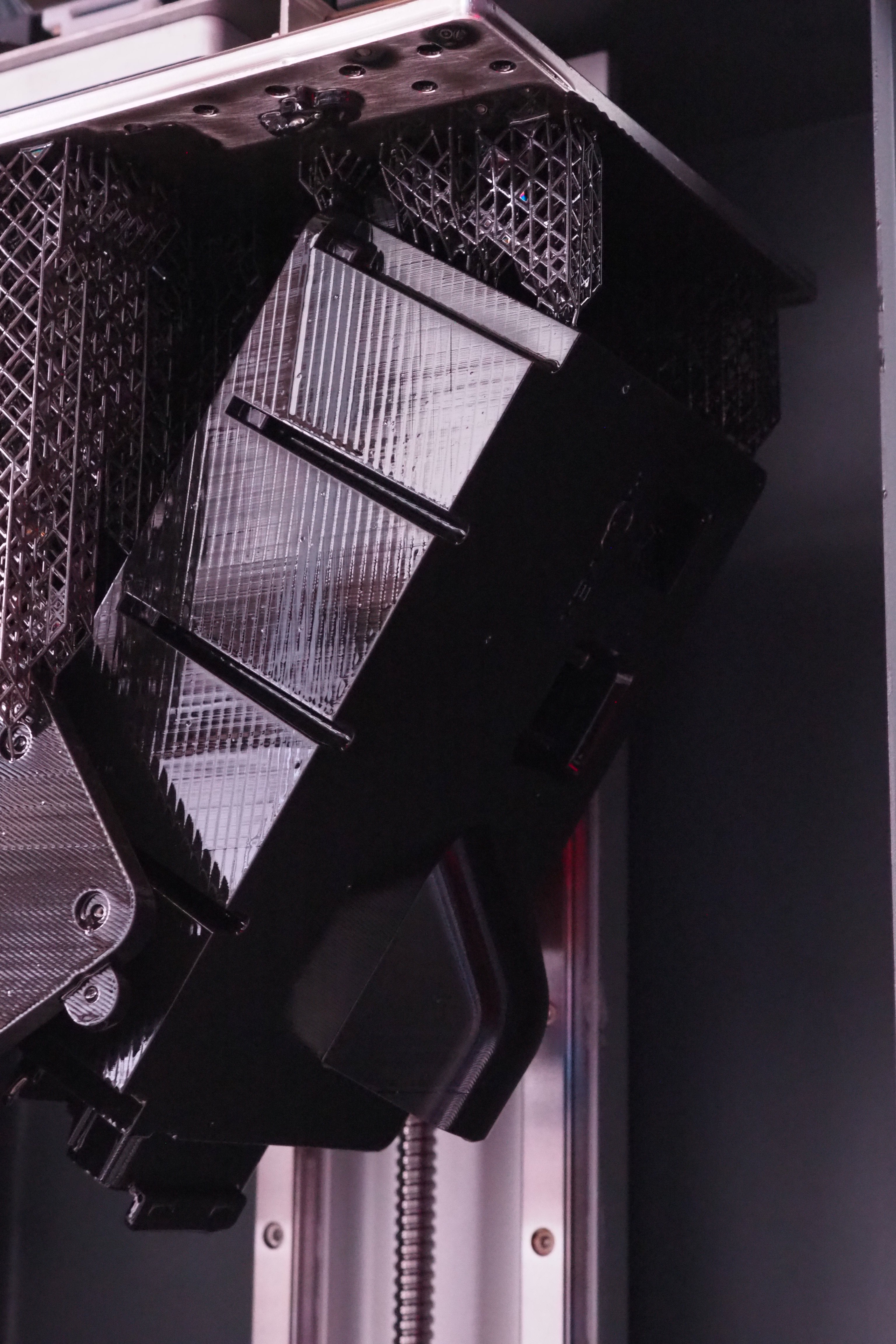
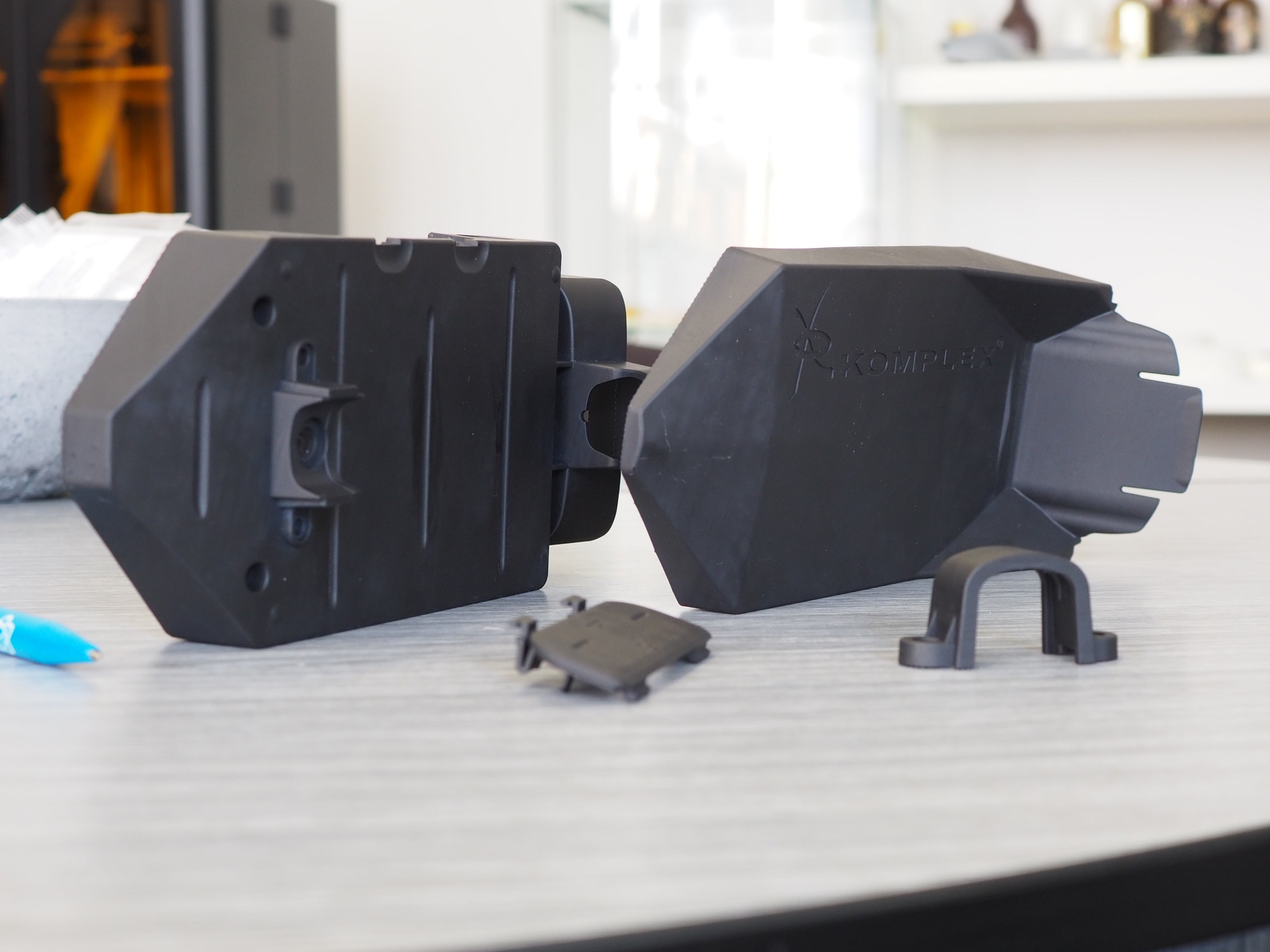
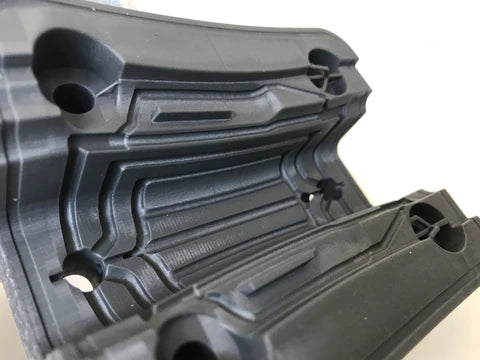
Durable mold-printing resins organized around a visible IM family covering high deflection temperature, ultra-hard rigid, ultra-hard tough, hard-flexible, flexible, elastic and biocompatible monomer-free mold routes.
This collection is not one single mold resin. The visible products already define a structured ladder of mold behavior: IM-HDT, IM-UHR, IM-UHT, IM-HF, IM-HF MF Bio, IM-F and IM-E.
Navigate by: high-temperature rigid molds, tough durable molds, hard-flexible molds for soft-material injection, biocompatible mold route or softer flexible/elastic mold behavior.
The visible collection already shows a well-structured mold family. Some grades target very high temperature and rigidity, others target toughness, and others shift toward flexible or elastic mold behavior for soft-material injection workflows.
That means selection should begin with the molding scenario: high-temperature rigid tool, durable tough tool, soft-material injection route or biocompatible soft-material route.
Quick selection by mold route
Choose your durable mold route
Select the grade according to the thermal and mechanical demand of the mold.
Key features & benefits
Durable mold family already separated by real mold behavior
The visible IM product family is useful because it separates mold logic into clear routes: high-deflection-temperature route, ultra-hard rigid route, ultra-hard tough route, hard-flexible routes and softer flexible or elastic routes.
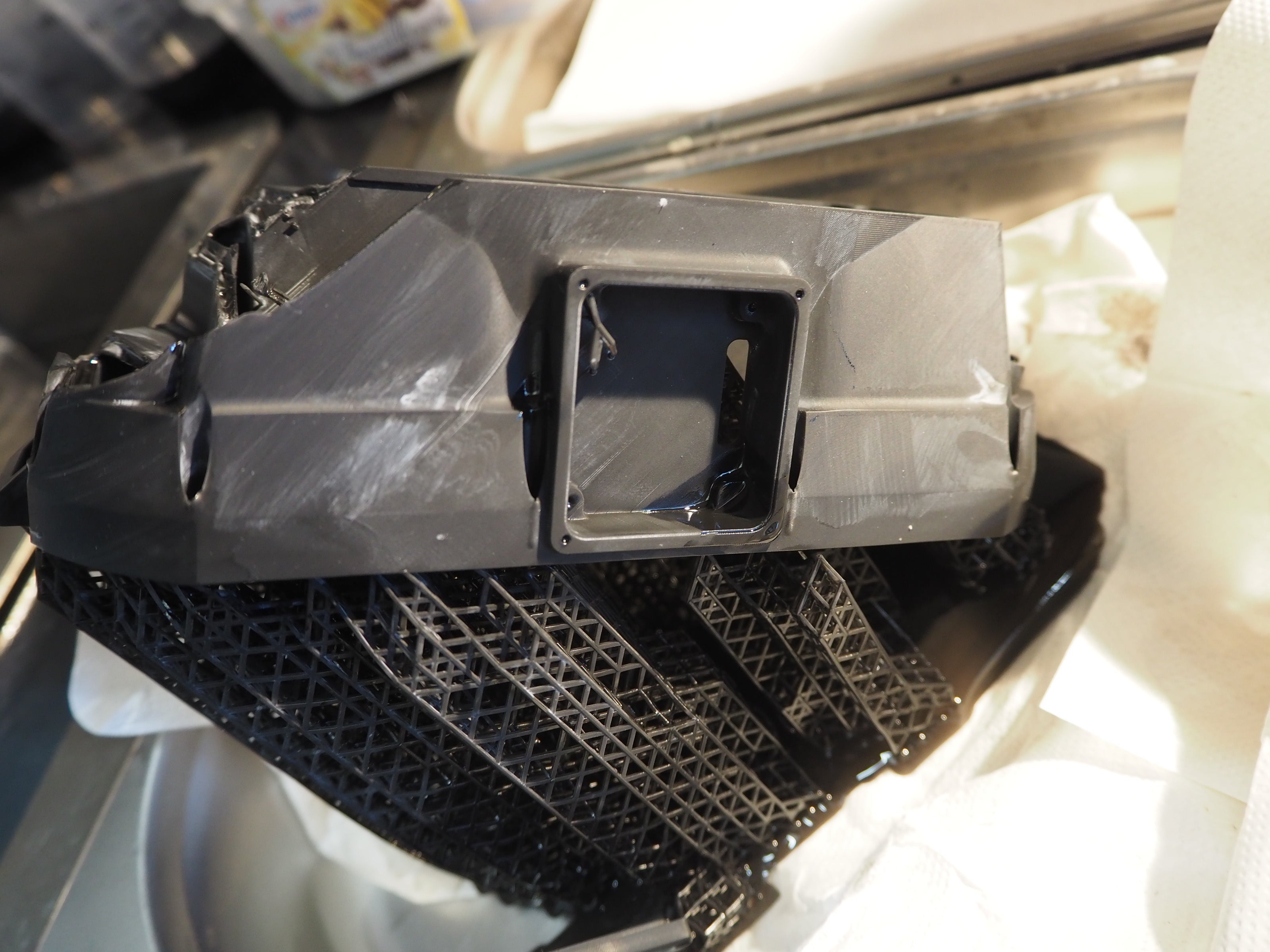
- Durable mold printing for repeated-use workflows
- Very high temperature and high-deflection routes
- Ultra-hard rigid and ultra-hard tough routes
- Hard-flexible, flexible and elastic mold behavior for softer injection scenarios
- Biocompatible monomer-free hard-flexible route for soft biocompatible materials
- Support for rapid tooling and mold iteration
Products in this collection
Products in this collection are shown below.
This collection currently includes: 3Dresyn IM-HDT, 3Dresyn IM-UHR, 3Dresyn IM-UHT, 3Dresyn IM-HF, 3Dresyn IM-HF MF Bio, 3Dresyn IM-F and 3Dresyn IM-E.
Included products and technical roles
High-temperature rigid routes: IM-HDT and IM-UHR
This route covers the visible grades designed for the highest structural mold demands.
- 3Dresyn IM-HDT — durable, high deflection temperature for injection at high temperature
- 3Dresyn IM-UHR — durable, ultra hard and rigid for injection at high temperature
- IM-HDT is the route when high deflection temperature is the central selection criterion
- IM-UHR is the route when the need is framed more strongly as ultra hard and rigid behavior
- Both are high-temperature mold routes, but they emphasize different structural priorities
- Rigid tooling inserts
- High-temperature mold workflows
- Repeated-use rigid mold programs
- Applications where dimensional stability dominates selection
Ultra-hard and tough route: IM-UHT
IM-UHT is the visible route where durability is combined explicitly with ultra hard and tough behavior rather than only rigid/high-temperature logic.
- 3Dresyn IM-UHT — durable, ultra hard and tough for injection at medium high temperature
- Moves away from pure rigidity toward a balance of hardness and toughness
- Suitable where medium-high-temperature molding still requires more fracture resistance than a purely rigid route may offer
- Durable mold routes needing extra toughness
- Repeated-use molds under medium-high temperature
- Applications where brittle behavior would be a risk
Hard-flexible mold routes: IM-HF and IM-HF MF Bio
This route is explicitly aimed at injection of soft materials, which makes it structurally different from the high-temperature rigid routes.
- 3Dresyn IM-HF — durable, hard and flexible for injection of soft materials
- 3Dresyn IM-HF MF Bio — biocompatible, durable, hard and flexible, monomer free, for injection of biocompatible soft materials
- IM-HF is the general hard-flexible route for molding soft materials
- IM-HF MF Bio adds two explicit differentiators: biocompatible positioning and monomer-free chemistry
- This makes MF Bio the route when the molded soft material itself belongs to a biocompatible workflow context
- Soft-material injection workflows
- Molds that need some compliance instead of full rigidity
- Biocompatible soft-material molding routes
- Monomer-free safer processing strategies where required
Flexible and elastic mold routes: IM-F and IM-E
These are the visibly softer mold routes in the collection and are clearly separated from the hard-flexible and rigid families.
- 3Dresyn IM-F — durable and flexible for injection of soft materials
- 3Dresyn IM-E — durable and elastic for injection of soft materials
- IM-F is the flexible route where compliance matters more than hardness
- IM-E is the elastic route where recoverable deformation is more central than simple flexibility
- Both are intended for soft-material injection, but they are not the same behaviorally
- Flexible mold concepts
- Elastic mold strategies
- Soft-material injection workflows
- Cases where release and deformation behavior must be part of the mold-design logic
Selection logic
How to choose the right durable mold resin
Selection should start from the molding scenario, not from a generic idea of “durable mold.”
- Need maximum temperature resistance and rigidity → use IM-HDT or IM-UHR
- Need ultra-hard route with added toughness → use IM-UHT
- Need hard-flexible behavior for soft-material injection → use IM-HF or IM-HF MF Bio
- Need flexible or elastic mold behavior → use IM-F or IM-E
- Need biocompatible and monomer-free soft-material route → use IM-HF MF Bio
Rigid, tough, hard-flexible, flexible and elastic mold routes are not interchangeable
The visible collection already shows that durable mold selection is a mechanical-strategy decision, not just a temperature decision. Final mold performance depends on how the mold must behave under loading, release and repeated use.
Engineering note
Final suitability depends on mold geometry, release method, molded material, thermal or mechanical stress and the number of cycles required in use.
Interpretation principle
These products should be understood as distinct durable tooling and mold-printing routes rather than as one single mold material family. Final validation must always consider the complete molding, casting or forming workflow.
Sort by
Filters


From prototyping to industrial production, performance depends on materials, calibration and process control.