
Anti scratch additives
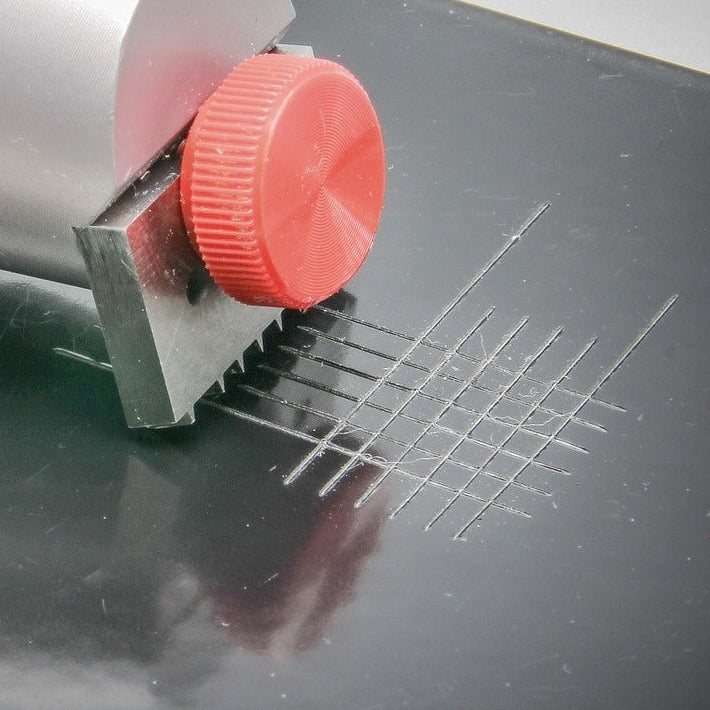
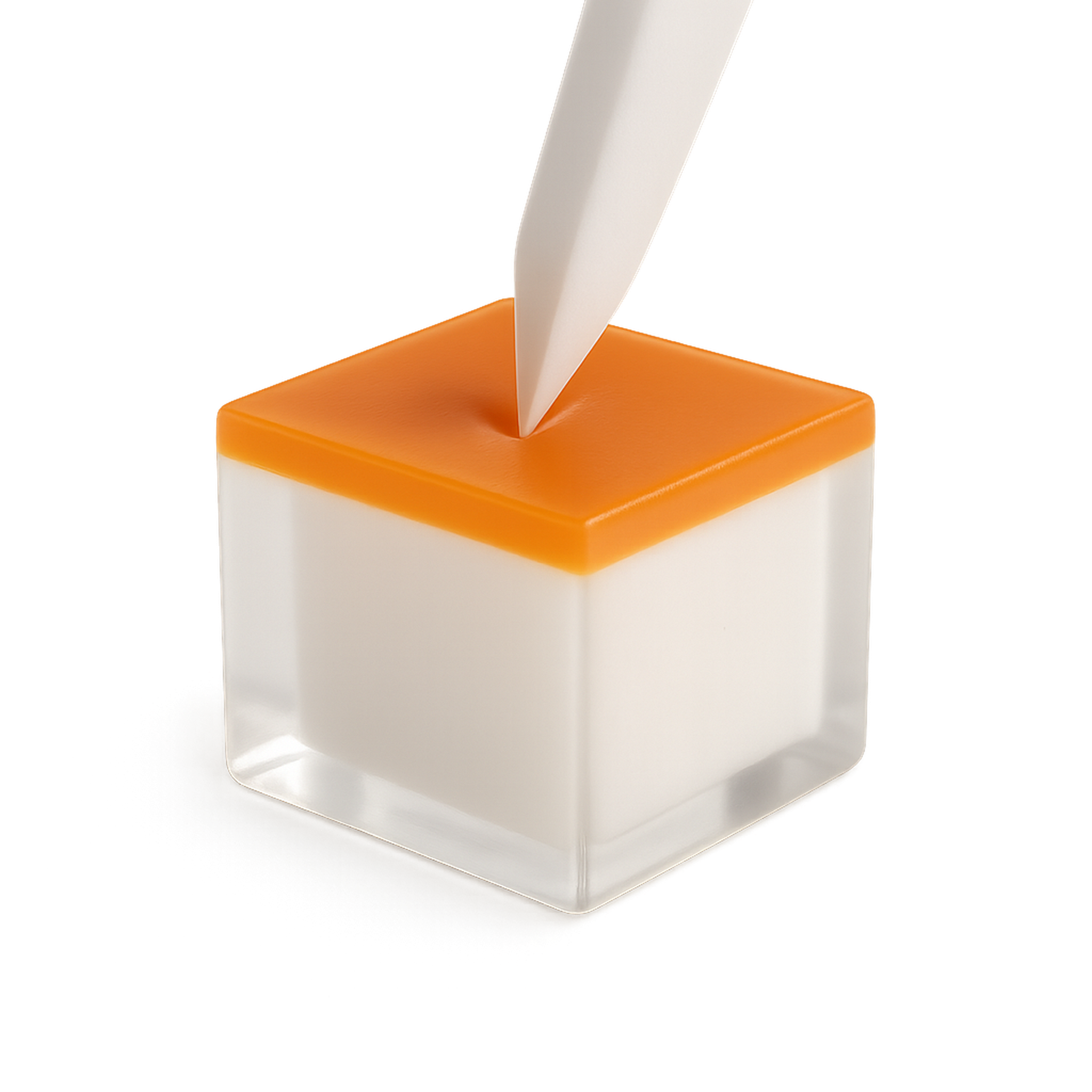
Additives for improving surface hardness, scratch resistance and abrasion behavior, designed to support more durable surface finish, better long-term appearance and upgraded wear-related performance in transparent, colored and functional printed parts.
This collection groups the 3Dresyns® additives for anti-scratch, wear-resistance and friction-related surface-performance upgrades, helping users tune resin systems for more demanding engineering and consumer-facing applications.
Key features & benefits
- Improved surface hardness and scratch resistance
- Enhanced durability of transparent and colored parts
- Better abrasion performance, depending on use case
- Support for longer-lasting surface finish
- Useful for resin-system durability upgrades in engineering and prototyping workflows
Typical applications
- Transparent parts needing better abrasion resistance
- Protective surface strategies
- Optical and display components
- Consumer-facing prototypes
- Durability upgrades for functional parts
Why choose this collection
Focused on surface durability
This collection is clearly oriented toward one practical objective: improving scratch, abrasion and wear-related behavior at the surface level, rather than changing the full mechanical identity of the base resin. This is an inference grounded in the collection title, visible product names and stated key benefits.
Useful for transparent and visible parts
The collection explicitly highlights transparent and colored parts, optical and display components, and consumer-facing prototypes, making it especially relevant where cosmetic durability matters as much as functional behavior.
Good fit for engineering & prototyping workflows
The visible filter positioning under Engineering & prototyping reinforces that these additives are intended as practical performance upgrades for technically relevant resin workflows.
Products in this collection
Technical overview
| Additive family* | Properties | Main tuning role | Surface / wear target | Workflow relevance | Format / type | Special function |
|---|---|---|---|---|---|---|
| Anti Scratch1 Bio | Anti-scratch bio paste additive | Scratch-resistance upgrade | Surface hardness and scratch behavior | Engineering & prototyping | Bio paste additive | Anti-scratch tuning |
| WRA1 Bio | Wear resistance bio additive | Wear-resistance upgrade | Abrasion and durability behavior | Engineering & prototyping | Bio additive | Wear-resistance tuning |
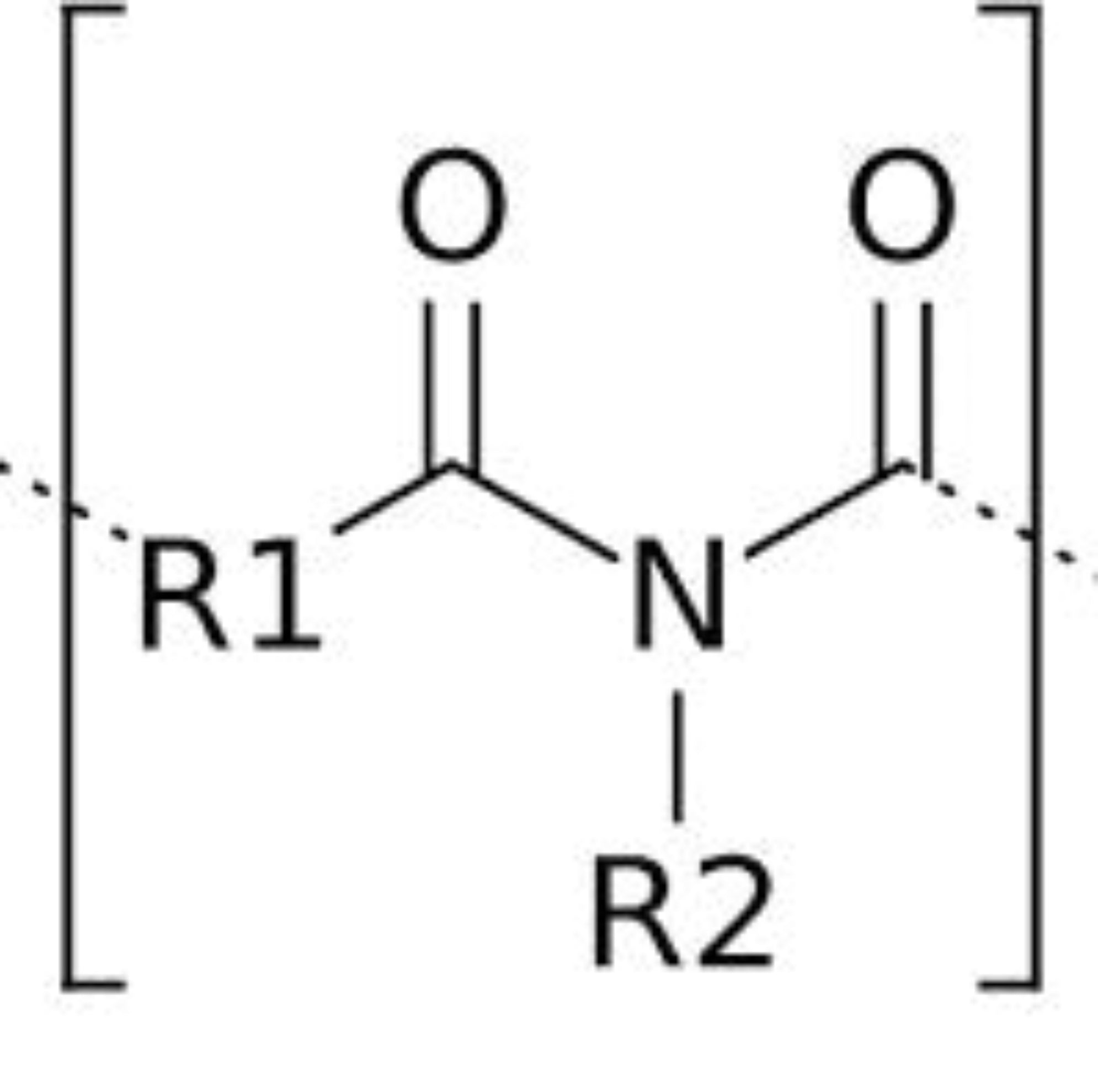
| PIC1 | Polyimide concentrate for decreasing frictional wear | Friction-wear reduction | Frictional wear behavior | Engineering & prototyping | Polyimide concentrate | Reduced frictional wear |
Mobile: scroll horizontally to view all columns. The first column remains visible while scrolling.
Portfolio overview
Direct anti-scratch route
3D-ADD Anti Scratch1 Bio is the most directly aligned option when the primary goal is improved scratch resistance and more durable surface finish. This is an inference grounded in the product name and collection positioning.
Wear-resistance route
3D-ADD WRA1 Bio extends the collection toward broader wear-resistance improvement where abrasion durability matters beyond purely cosmetic scratch prevention.
Friction-related wear route
3D-ADD PIC1 is positioned more specifically around decreasing frictional wear, which can be valuable when the surface is exposed to repeated contact or sliding-related stress.
Workflow note
The right additive depends mainly on whether the priority is scratch resistance, broader wear resistance or friction-related wear reduction.
Choose Anti Scratch1 Bio for direct anti-scratch positioning, WRA1 Bio for wider wear-resistance improvement, and PIC1 when frictional wear reduction is especially relevant to the final use case. This is an inference grounded in the visible product names and collection framing.
Technical and commercial support
Selection and technical help
Need help selecting the right anti-scratch or wear additive?
This collection is designed to help users improve surface hardness, scratch behavior, abrasion durability and friction-related wear performance in engineering and consumer-facing resin applications.
For technical guidance or custom developments, use technical support.
Sort by
Filters
From prototyping to industrial production, performance depends on materials, calibration and process control