
Are you new in 3D printing?
This collection is designed to help you start fast, print reliably and understand the fundamentals of vat photopolymerization (SLA, DLP and LCD/MSLA) workflows.
It brings together easy-to-use materials, beginner-friendly resins and practical resources so you can move from first print to repeatable results without unnecessary complexity.
Navigate by: easy-print resins, low-cost prototyping, general-purpose materials and learning resources.
This collection is structured to reduce the learning curve in resin 3D printing by focusing on stable materials, predictable curing behavior and practical workflows.
It is ideal for first-time users, educational environments and anyone transitioning into SLA, DLP or LCD printing.
Key features & benefits
Designed for fast onboarding
- Easy-to-print materials with stable curing behavior.
- Good dimensional accuracy with minimal tuning.
- Reliable first-print success rate.
- Cost-efficient options for experimentation and learning.
- Compatibility with most SLA, DLP and LCD printers.
Typical applications
Where to start
- First prints: calibration parts and simple geometries.
- Concept models: visual prototypes and design validation.
- Educational printing: learning workflows and material behavior.
- General prototyping: early-stage development and iteration.
- Daily printing: repeated prints with predictable outcomes.
How to choose
Start with simplicity, then optimise
- First time printing → choose low-cost, easy resins
- Need better surface or strength → move to general-purpose resins
- Need specific properties → explore advanced collections
Begin with stable materials, validate your printer settings, then scale complexity gradually.
Products in this collection
Recommended starting point
Quick comparison
| Route | Difficulty | Cost | Main use | Recommendation |
|---|---|---|---|---|
| Low-cost resins | Very easy | Low | Learning & first prints | Start here |
| General-purpose | Easy | Medium | Functional prototypes | Next step |
| Advanced resins | Moderate | Higher | Engineering parts | After calibration |
Tip: always validate exposure and post-curing settings before scaling production.
Workflow note
3D printing is a system, not just a resin
Successful printing depends on printer calibration, exposure settings, washing, post-curing and geometry design. The resin is only one part of the system.
Start simple, document your settings and iterate gradually to achieve stable, repeatable results.
Support
Final CTA
Start printing and iterate
Choose an easy resin, run your first prints, stabilise your workflow and then move towards more advanced materials as your confidence grows.
Sort by
Filters
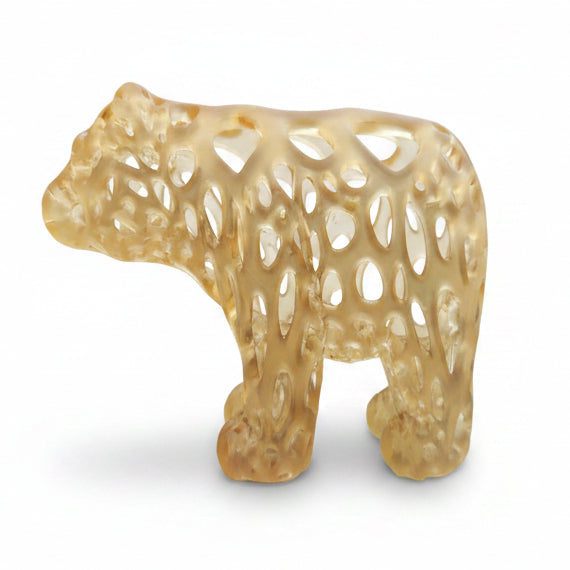
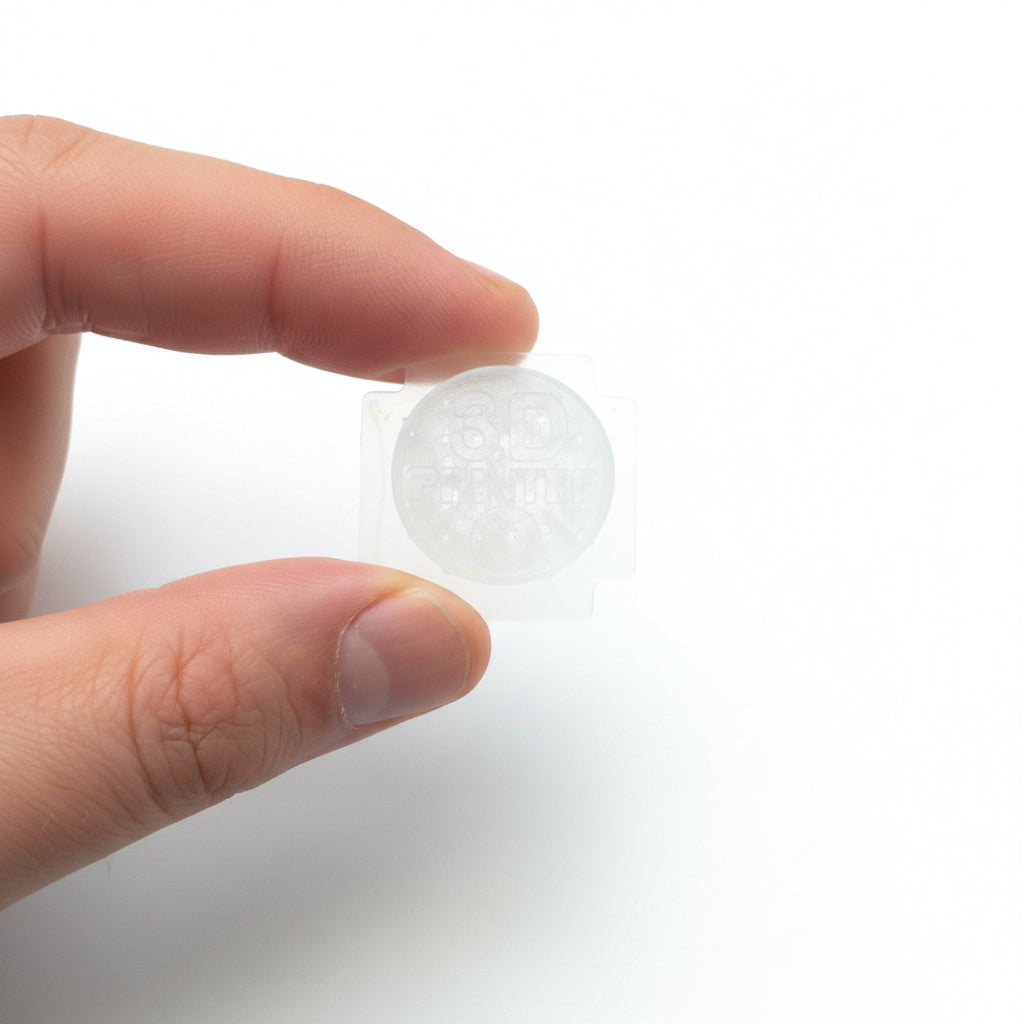
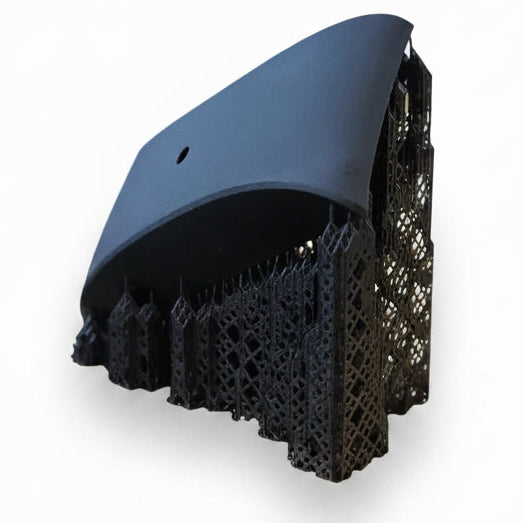
From prototyping to industrial production, performance depends on materials, calibration and process control