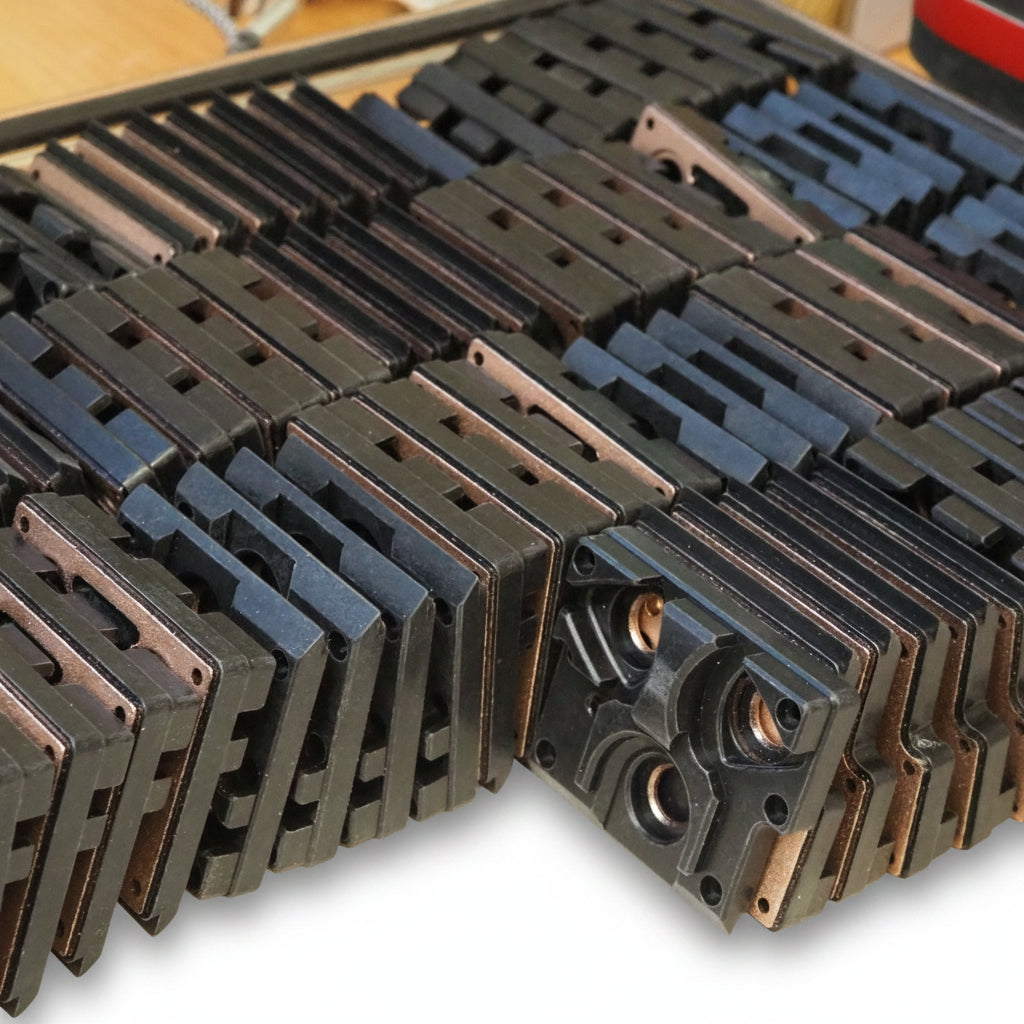
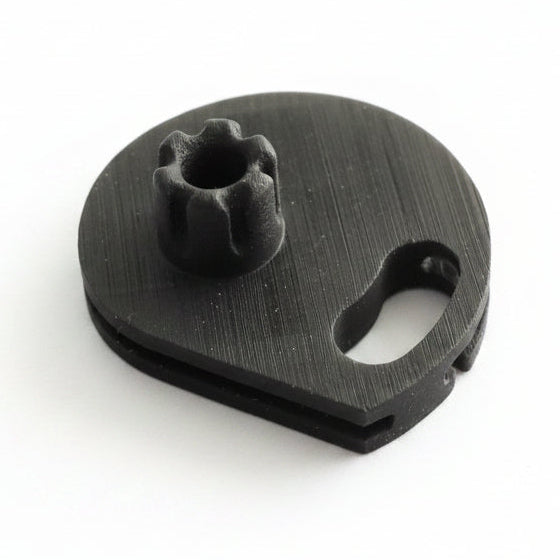
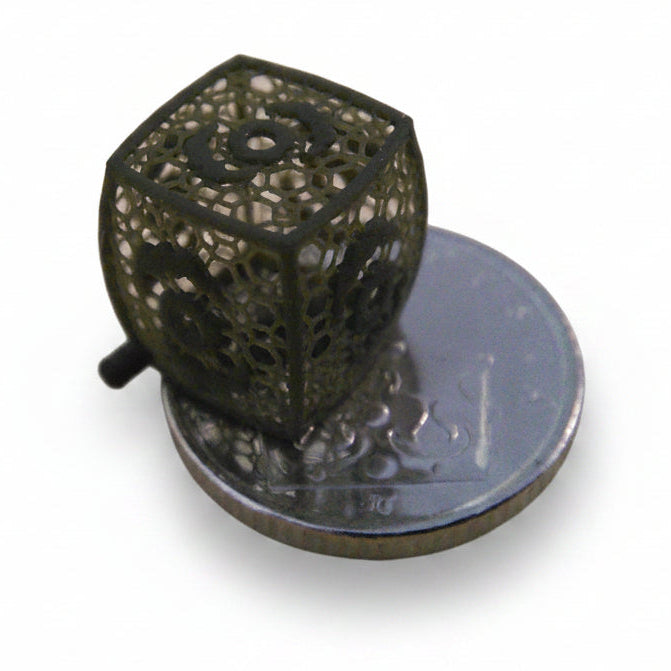
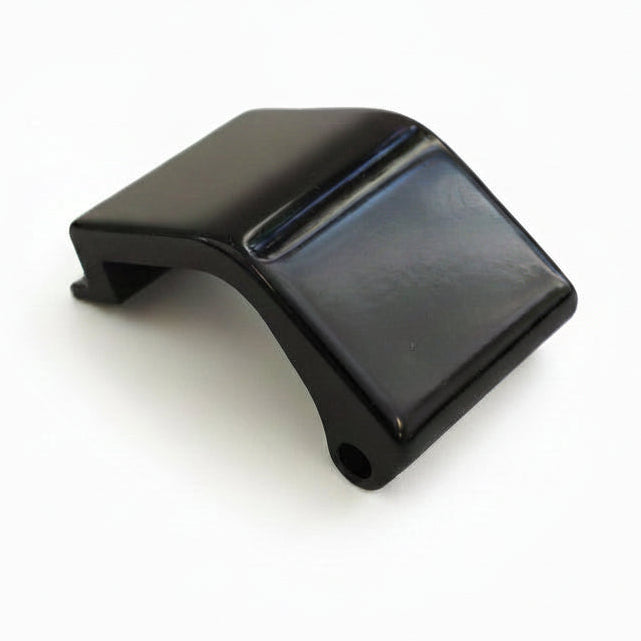
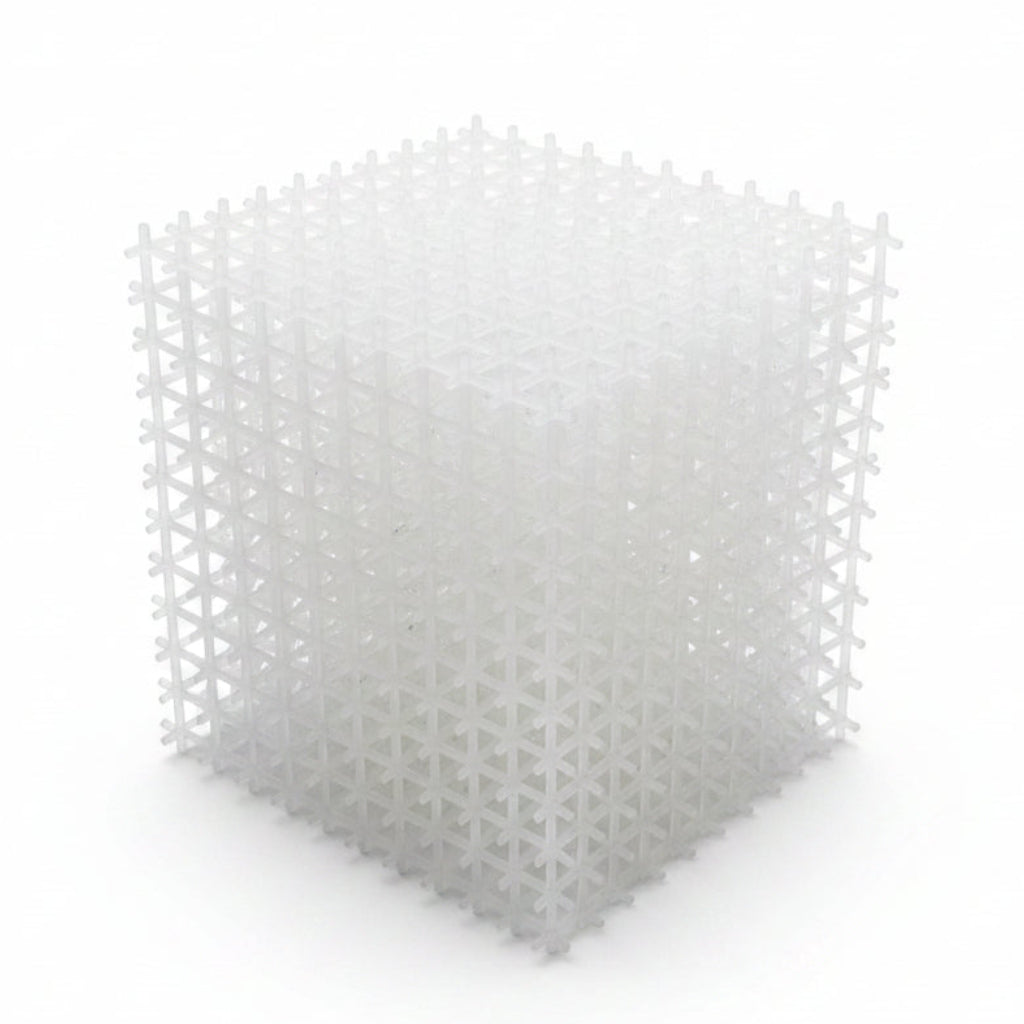
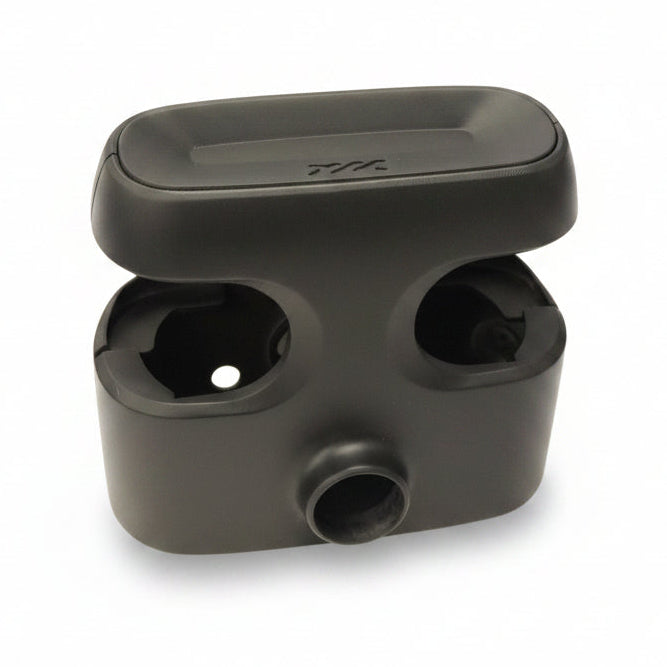
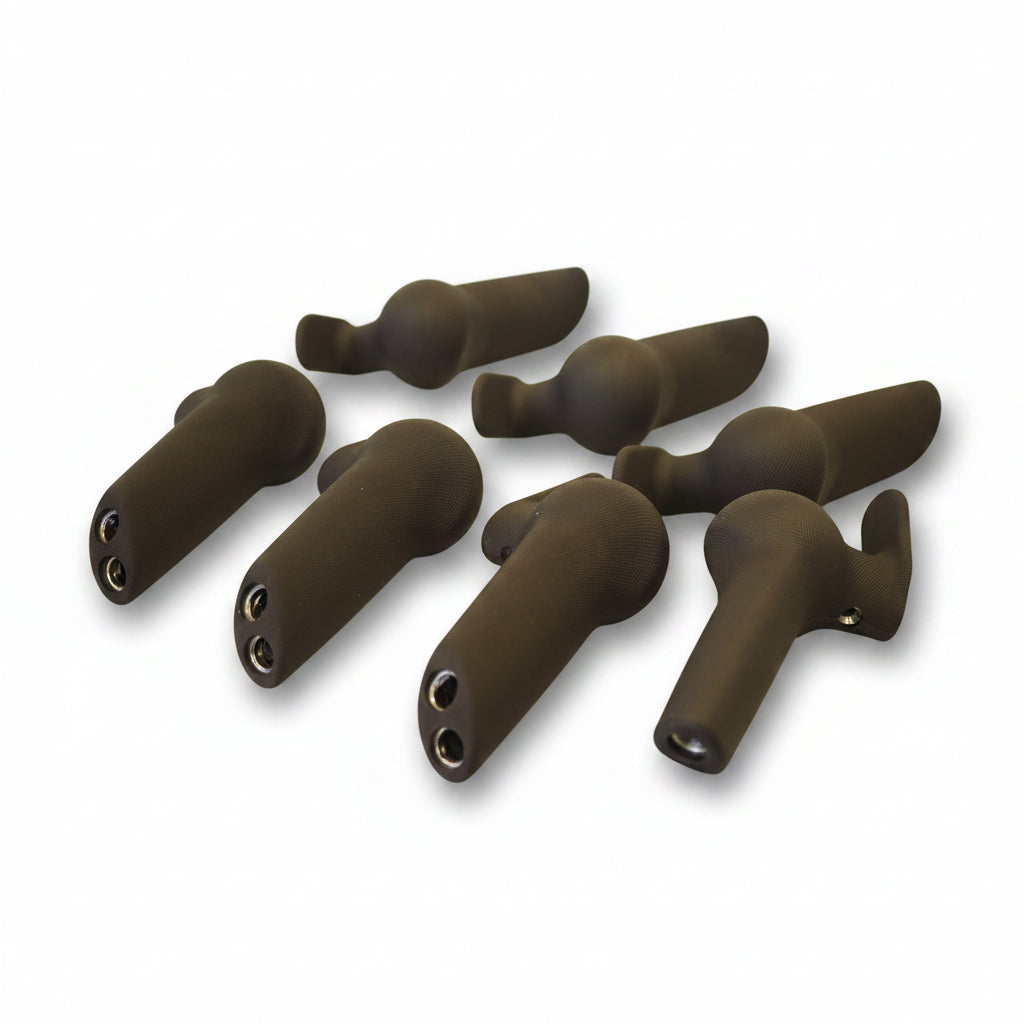
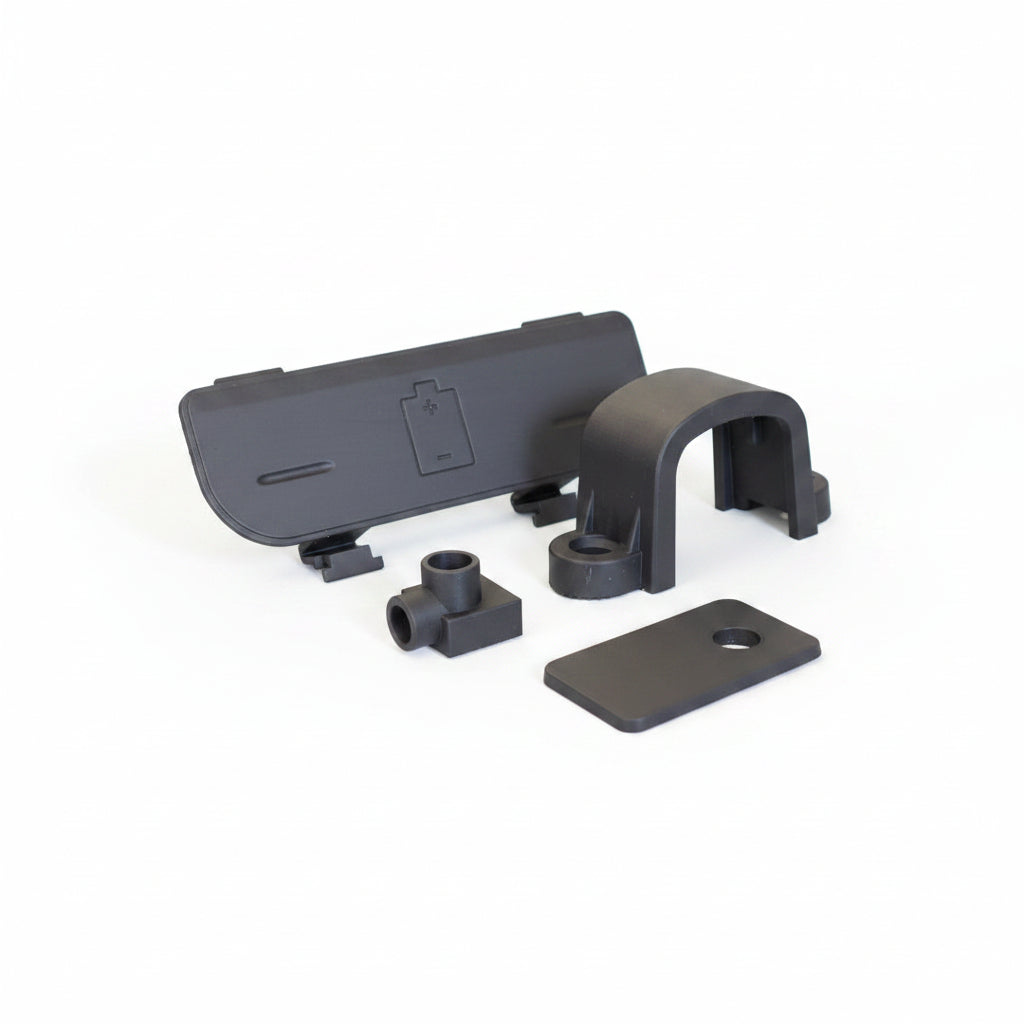
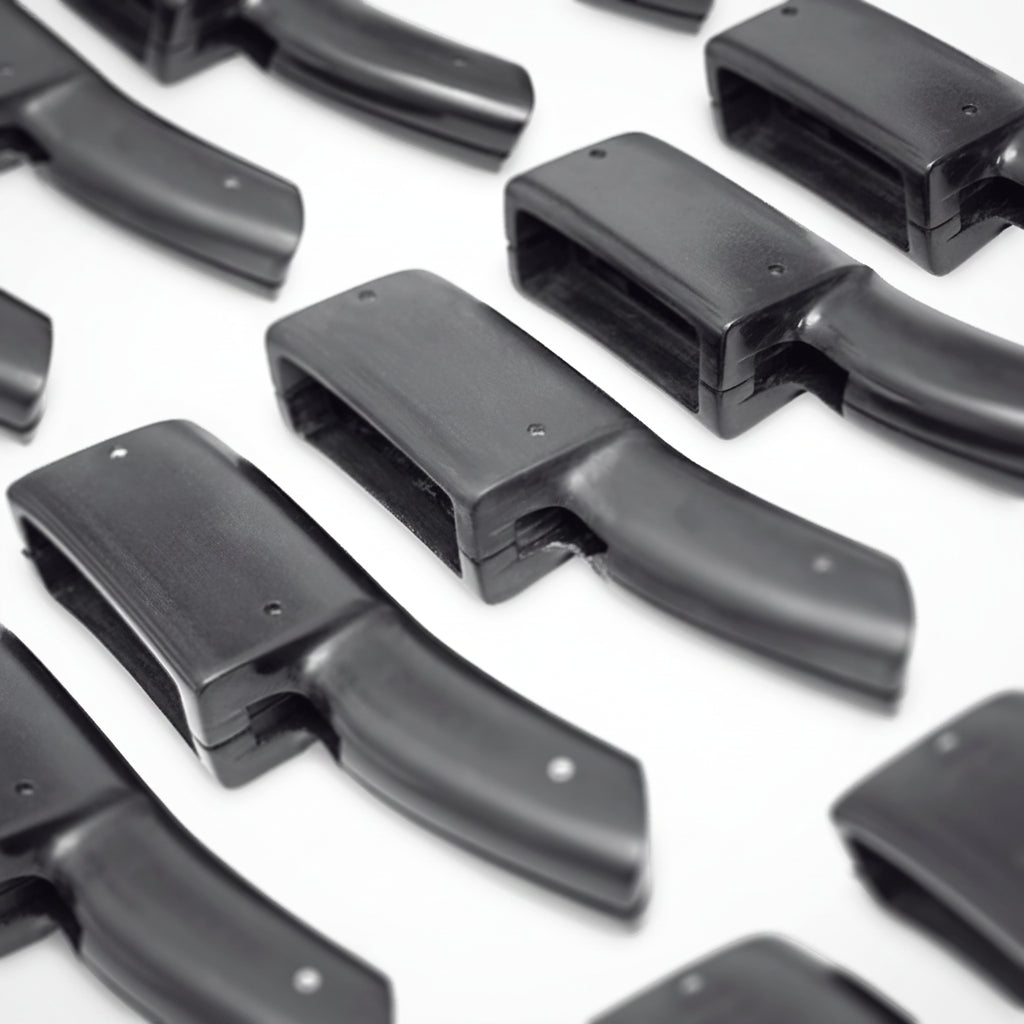
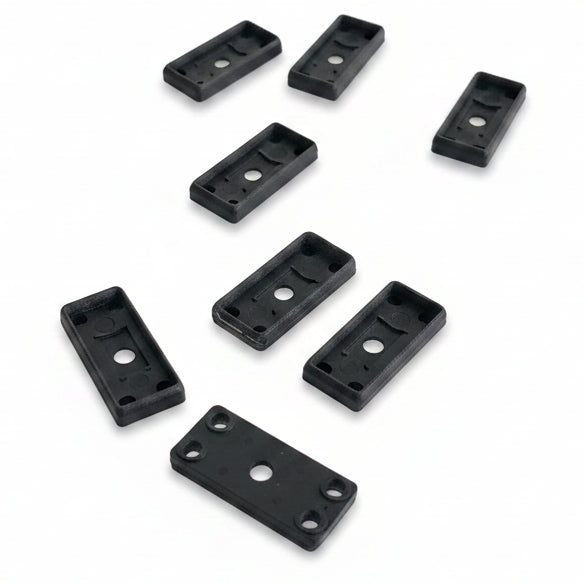
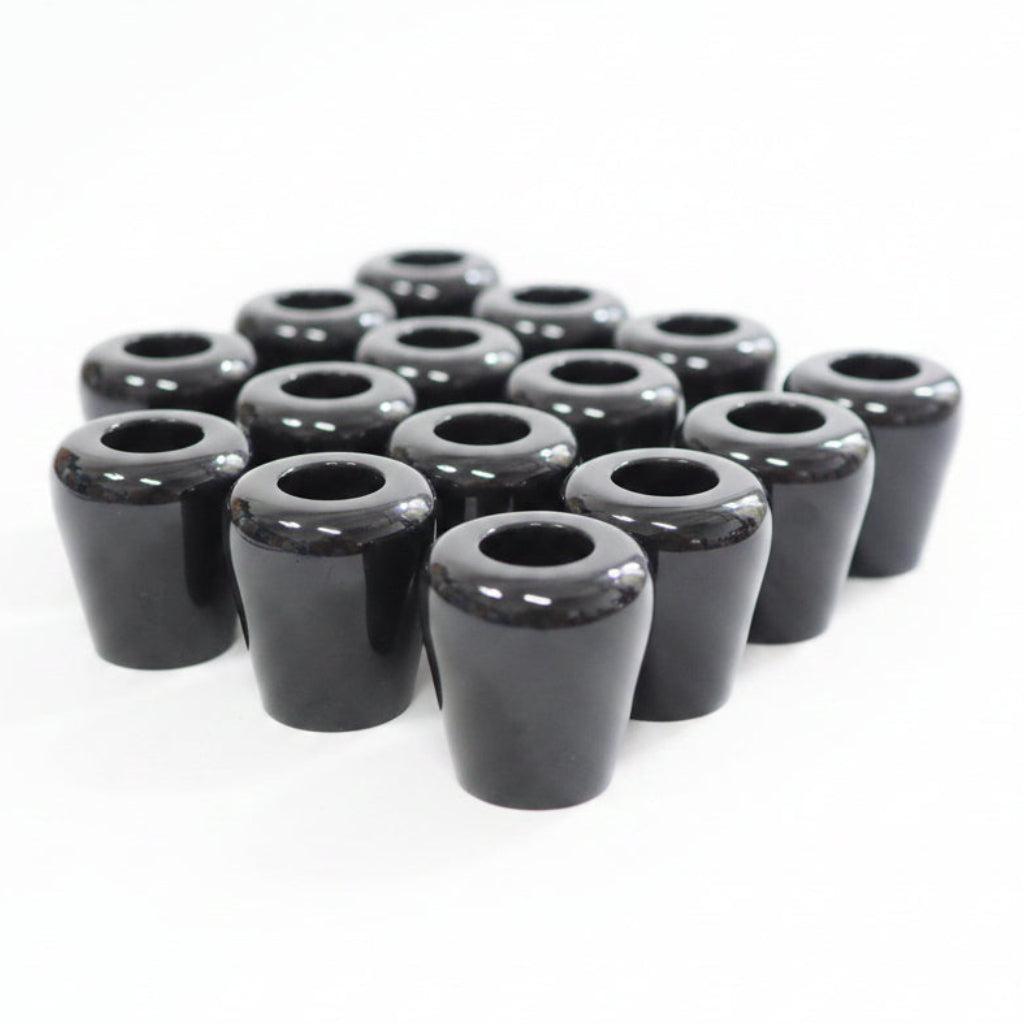
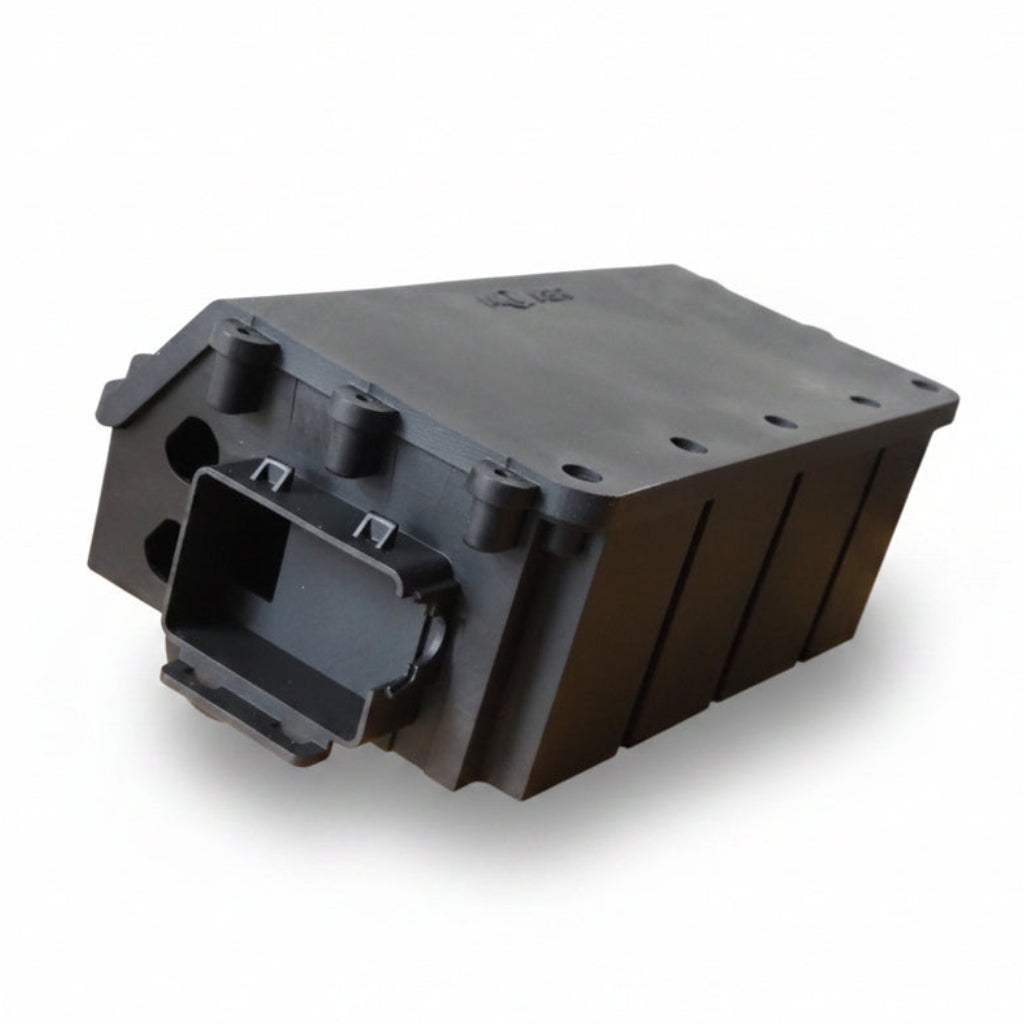
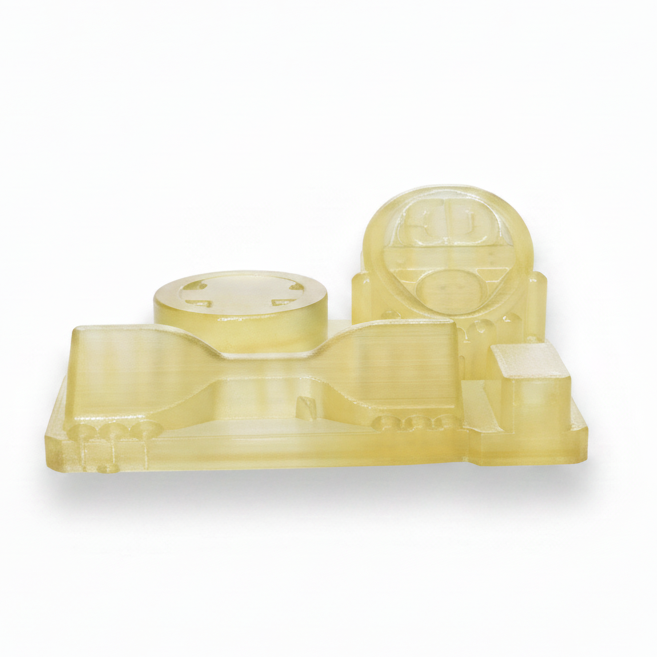
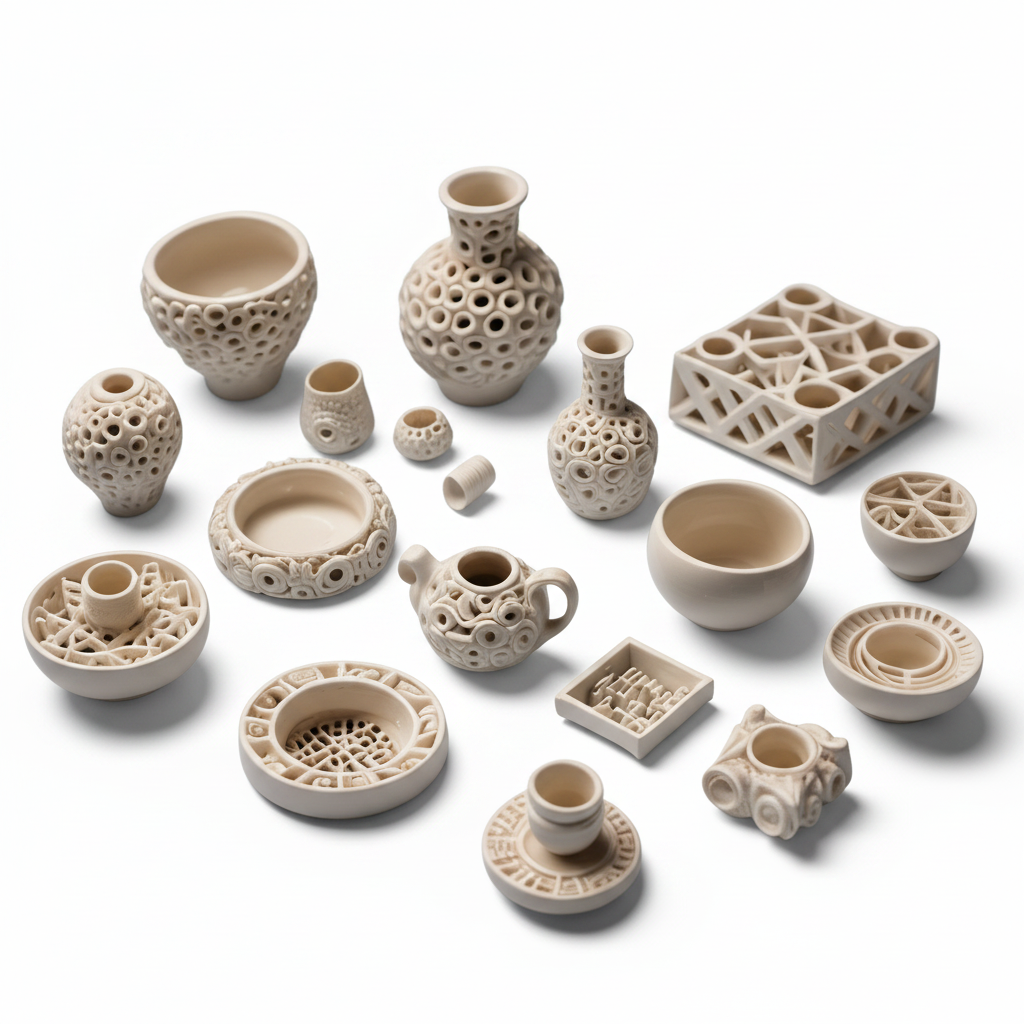
Inkjet-compatible 3D resin portfolio for engineering, functional, dental, otoplastics, microfluidic, castable and support-material workflows compatible with MultiJet and PolyJet-style printing logic.
3Dresyns® inkjet materials are positioned around high resolution, smooth surface quality, jettable processing logic and application-oriented resin design for professional material-jetting workflows.
Navigate by: material behaviour, application family and workflow role.
Select an inkjet route to identify the most relevant material family before validating printhead compatibility, jetting window, support strategy and final application requirements.
Inkjet materials platform
This collection groups 3Dresyns® inkjet-compatible materials across standard, next-generation, specialty, dental, otoplastics, microfluidics, castable, supports and auxiliaries.
Material selection should be aligned with the desired mechanical profile, application type, viscosity / jetting constraints, support-removal route and final functional requirements.
Key features & benefits
Material navigation
Choose your inkjet material family
Use the routes below to navigate the portfolio by behaviour, application logic and support function.
Material routes
Collection strengths
- Inkjet-compatible resin portfolio for high resolution and smooth-surface workflows.
- Coverage from ultra-hard and tough grades to elastic, soft, foldable and support materials.
- Includes engineering, dental, otoplastics, microfluidic, castable and specialty routes.
- Supports MultiJet / PolyJet-style material-jetting workflows where application fit matters as much as jetting behaviour.
Typical applications
Application logic
Typical use scenarios across the collection
This collection is relevant for users selecting material-jetting resins according to required part behaviour, market segment and workflow role.
-
High-detail prototypes: smooth-surface and high-resolution engineering parts.
-
Functional inkjet parts: tough, rigid, flexible, elastic or high-temperature components depending on grade.
-
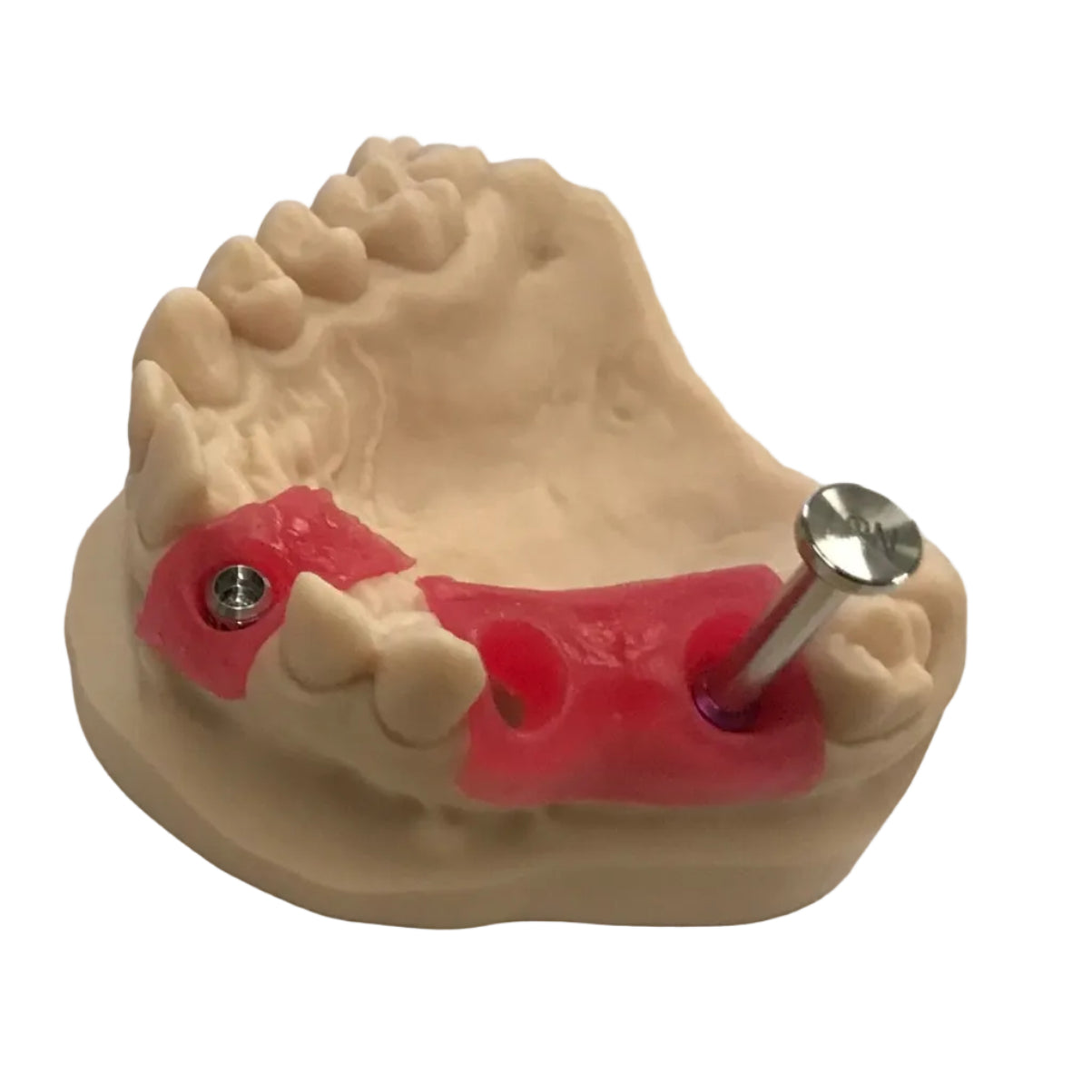
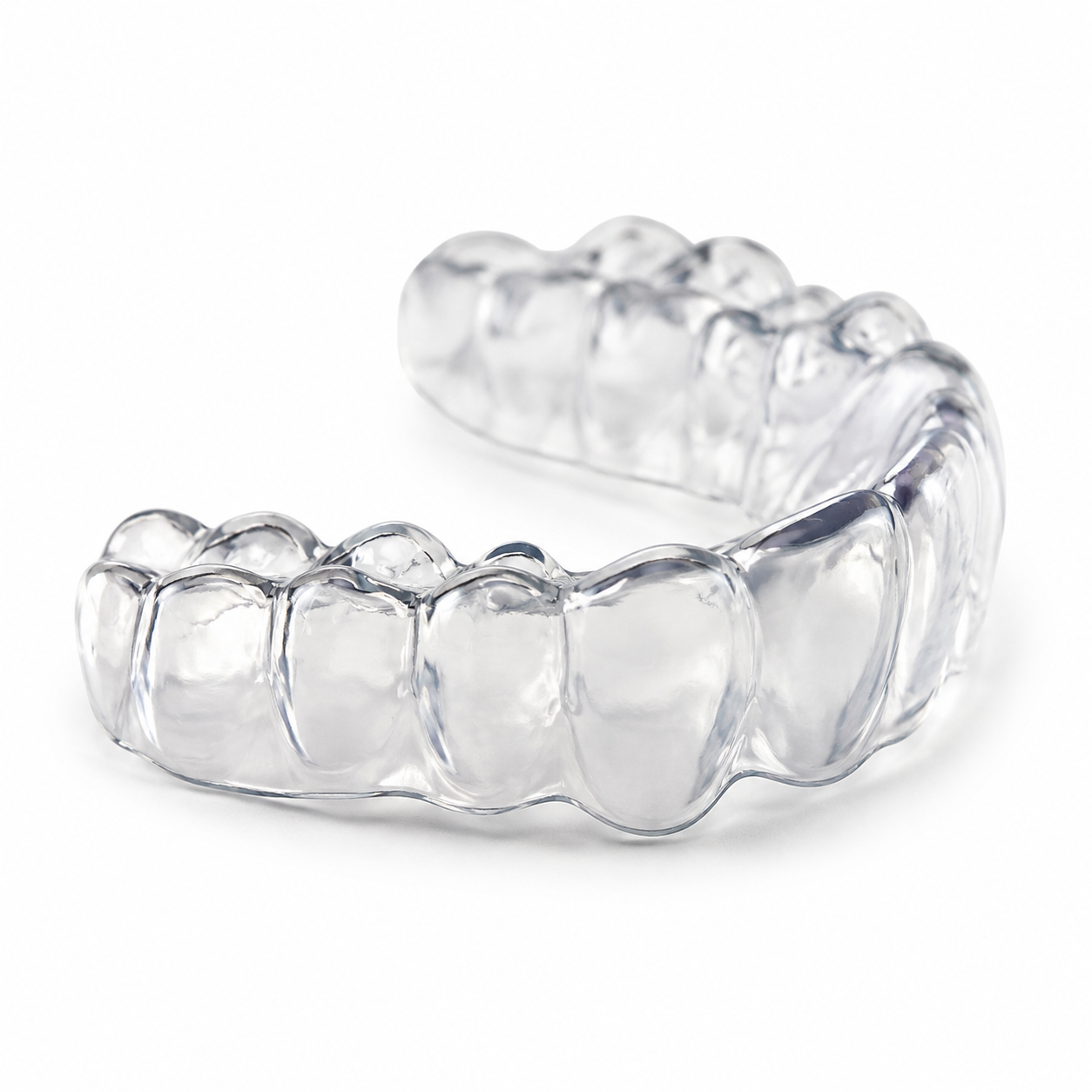
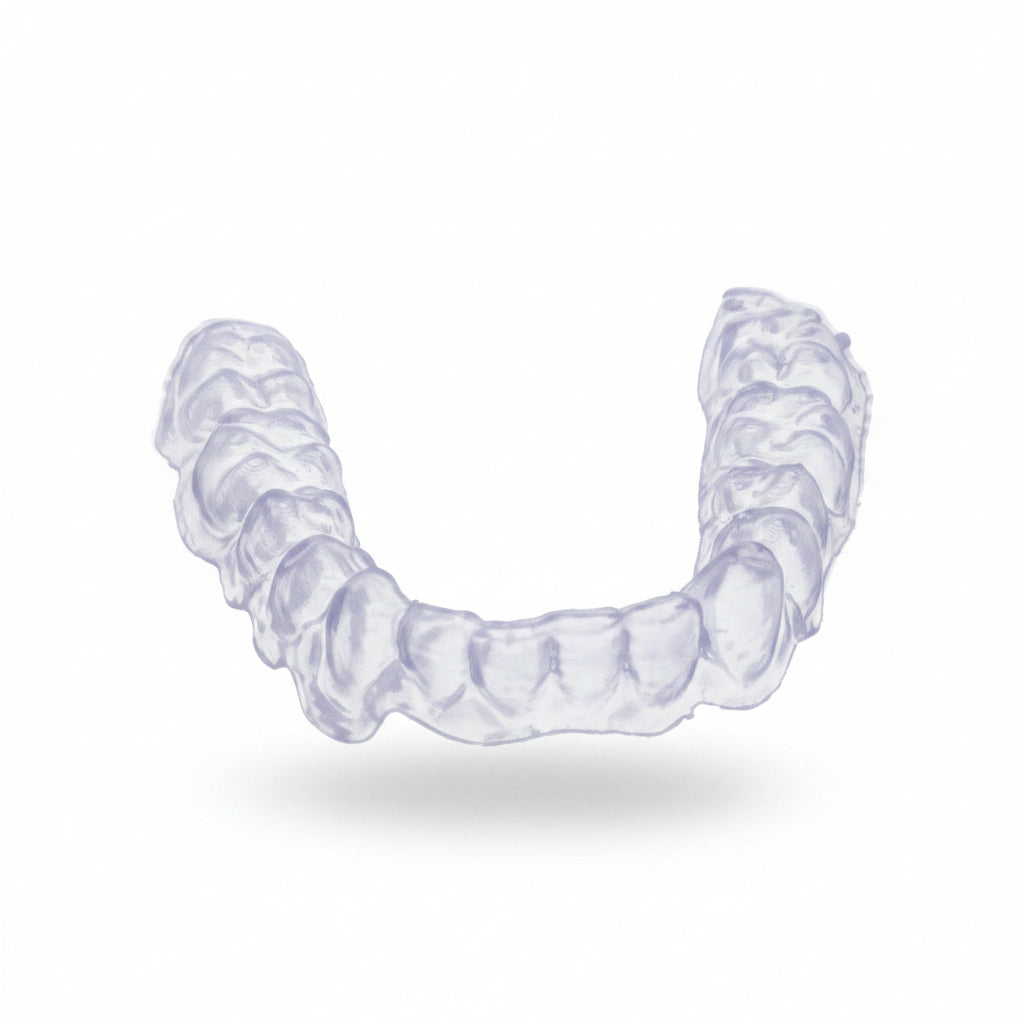
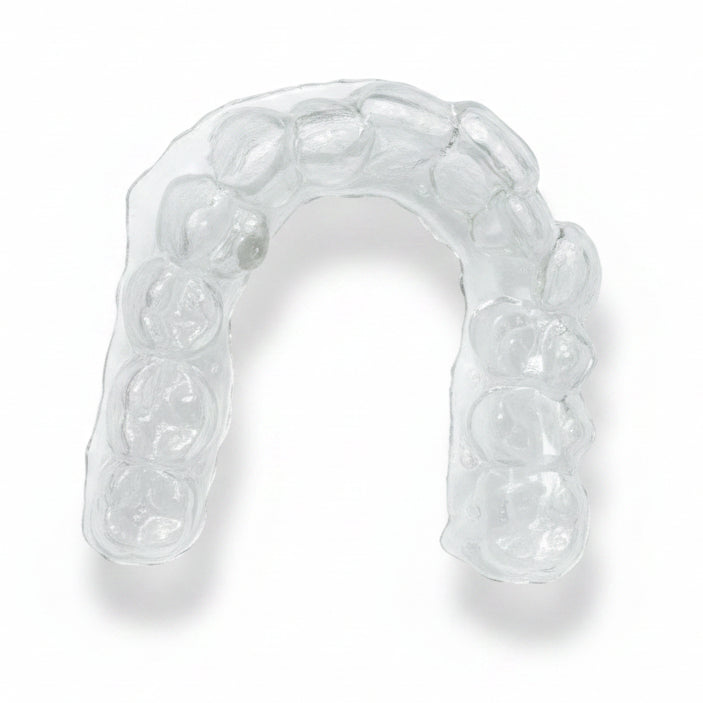
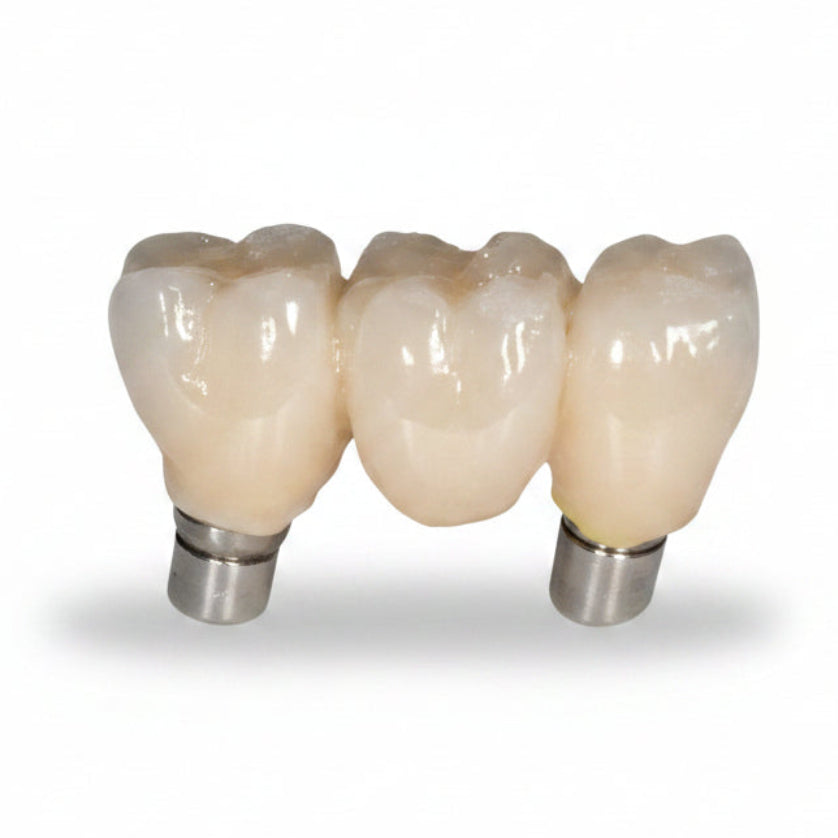
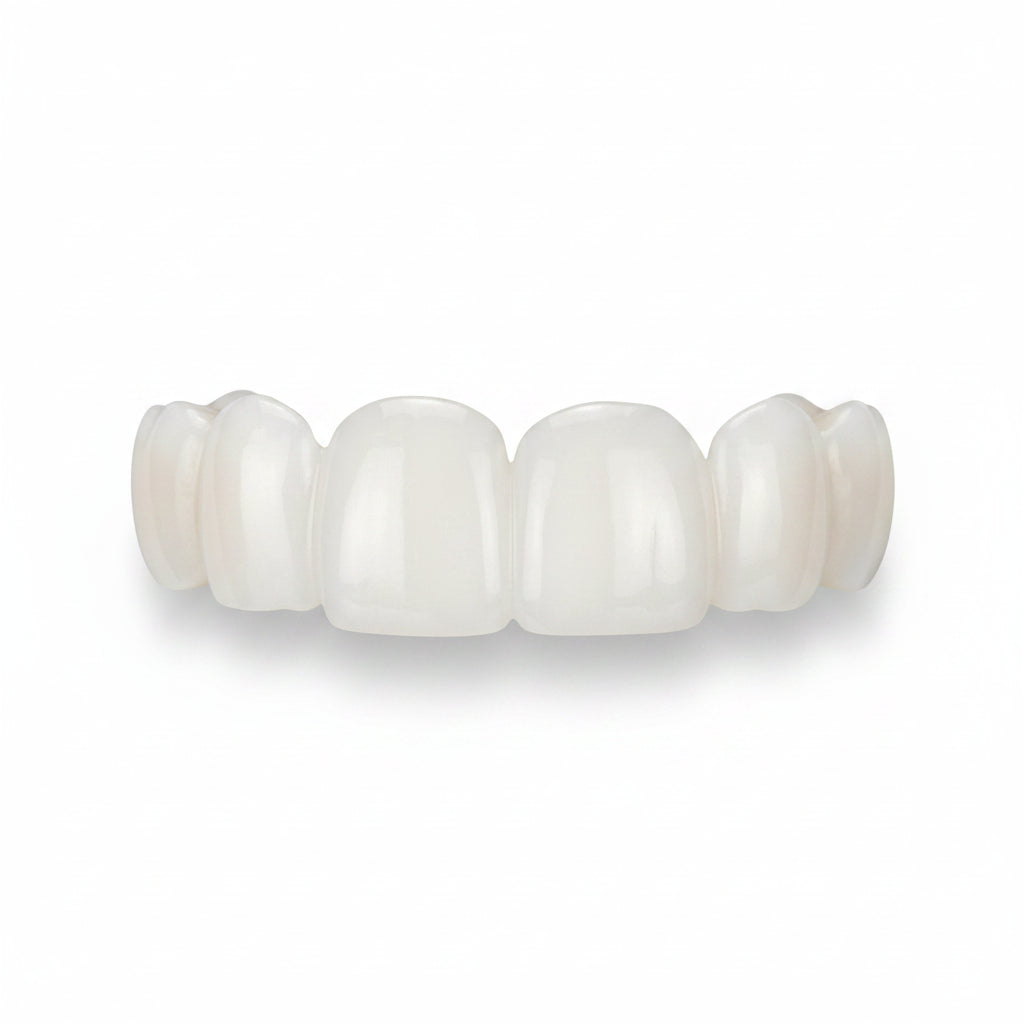
Dental laboratory workflows: clear, gingival, orthodontic and provisional restorative routes where applicable.
-
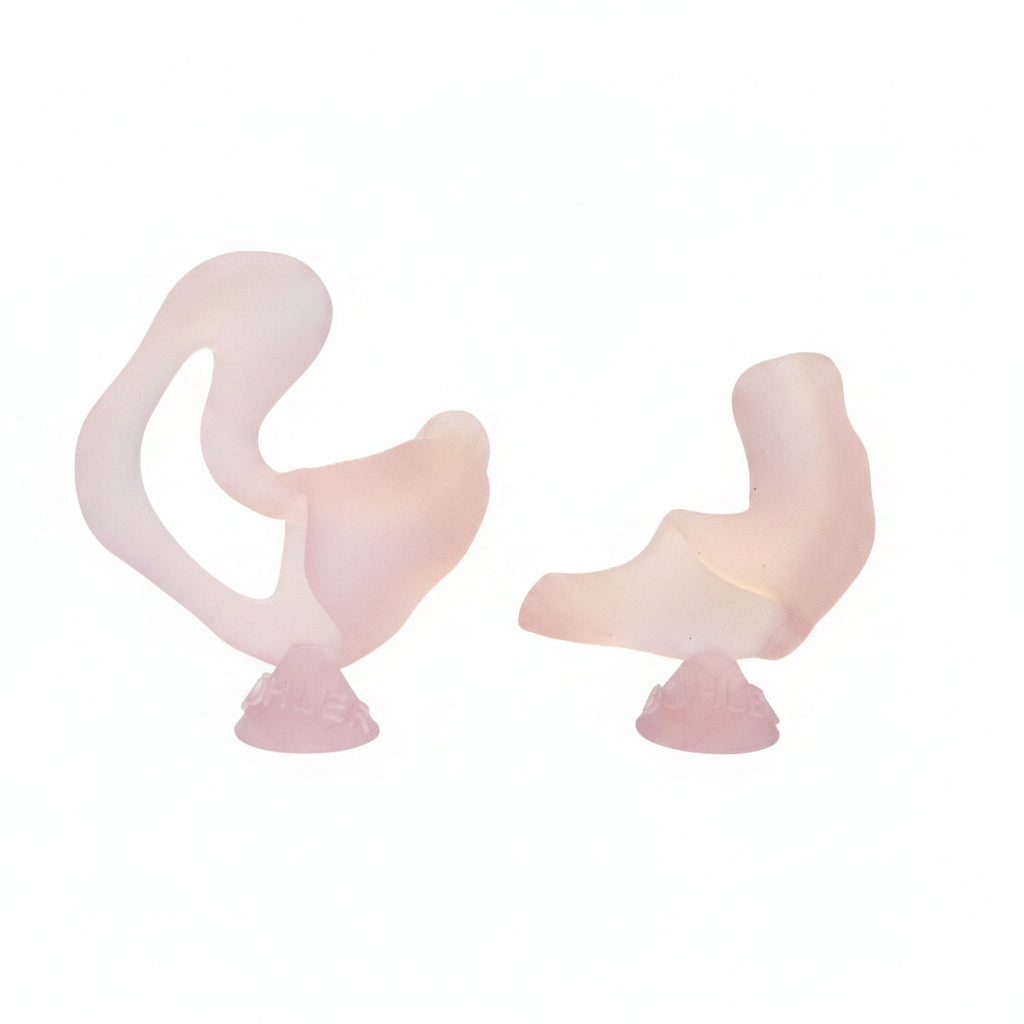
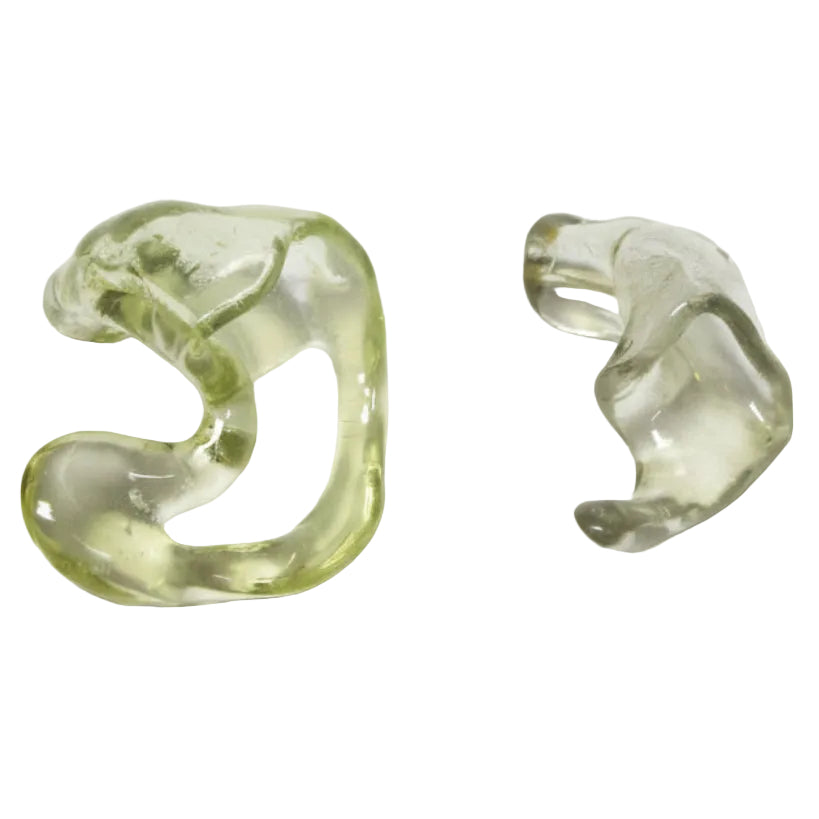
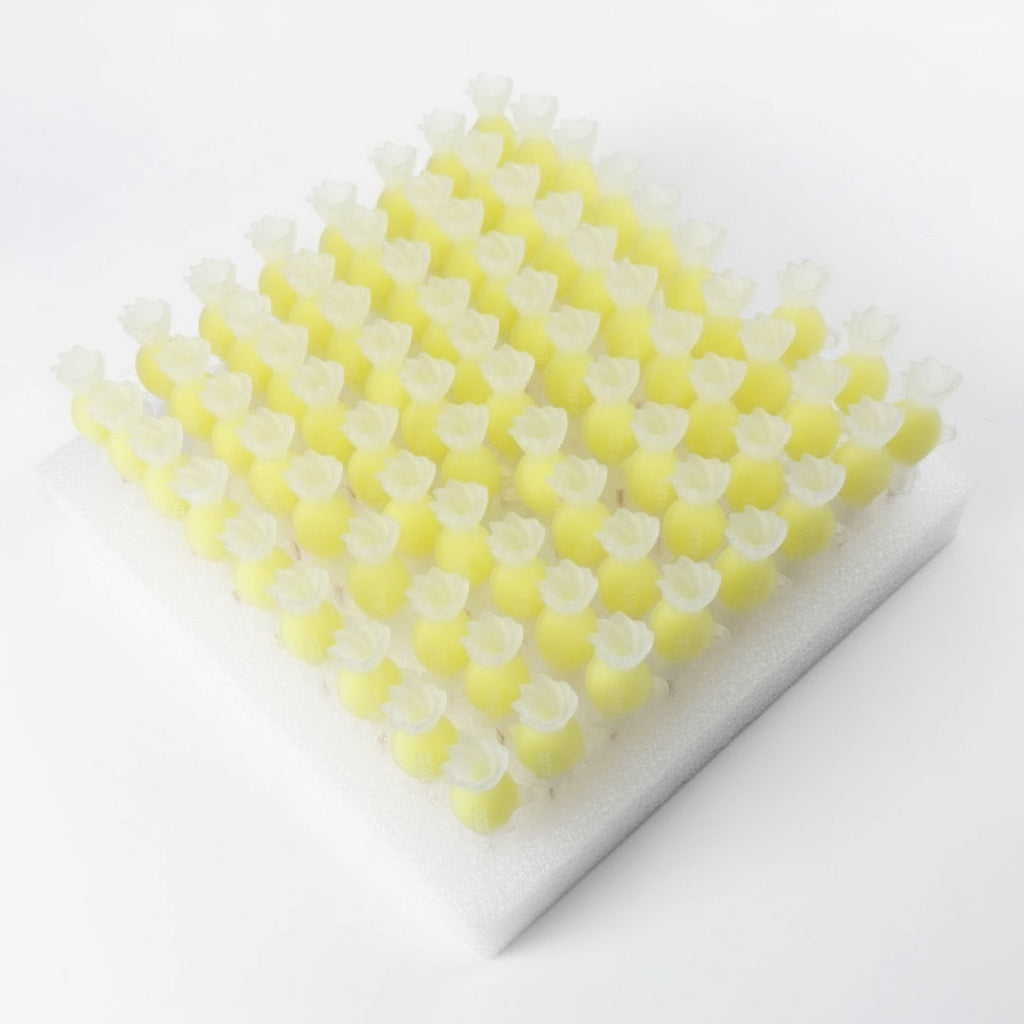
Otoplastics workflows: ultra-hard, hard-flexible and soft routes.
-
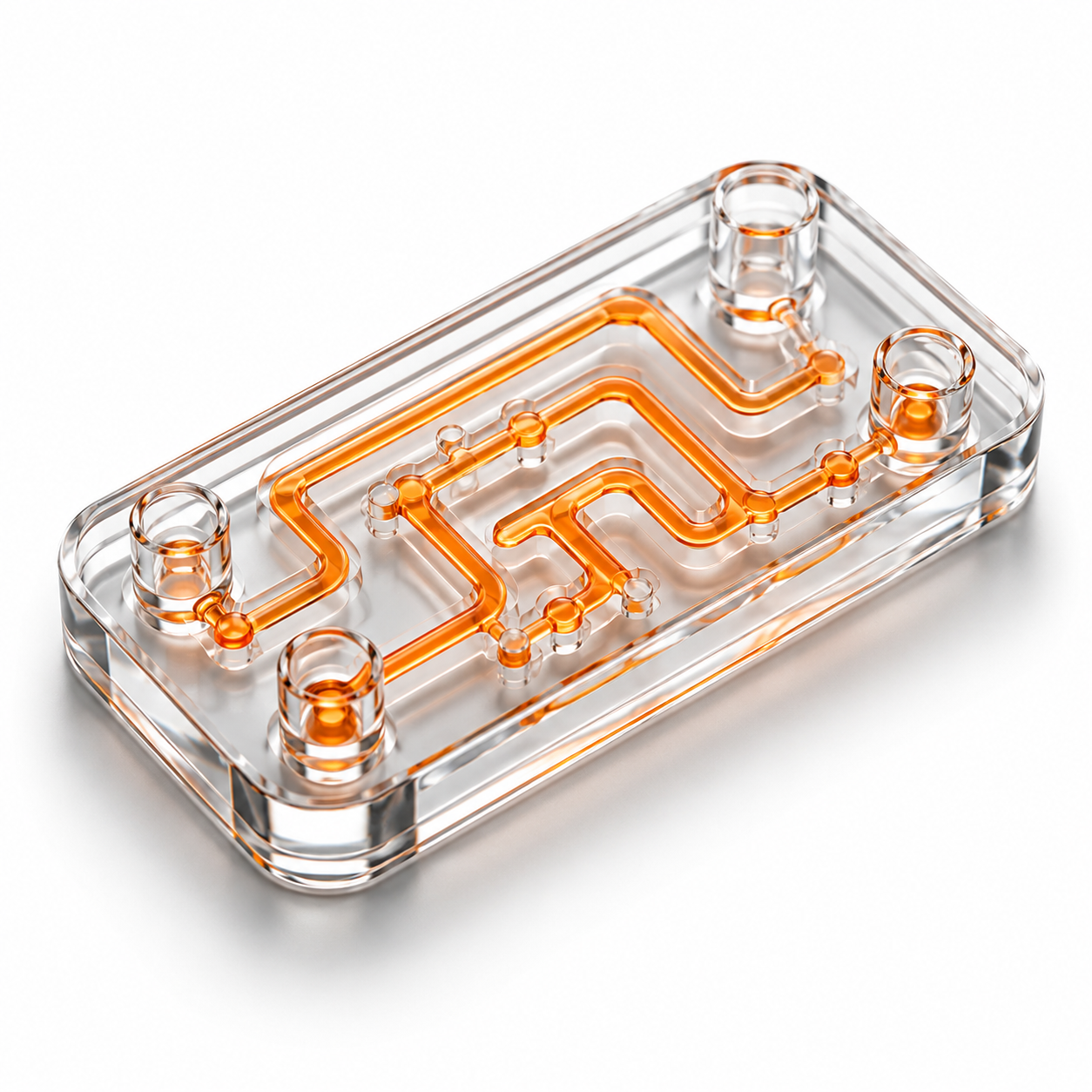
Microfluidic printing: clear rigid low-viscosity inkjet systems for specialized fluidic applications.
-
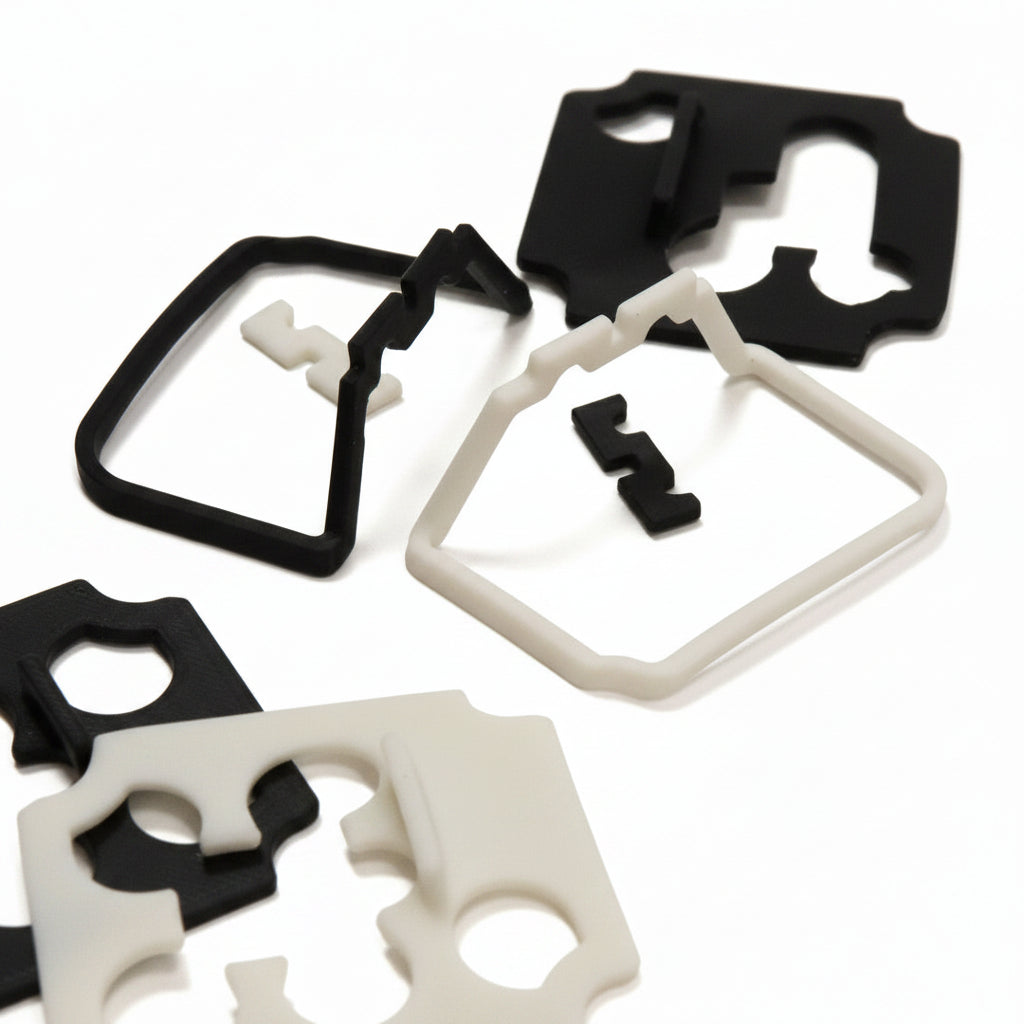
Castable and support workflows: castable materials, wax routes, removable supports and cleaning auxiliaries.
Why choose this collection
Selection logic
How to choose the right inkjet material
Select the most suitable route according to target mechanical response, application family and whether the material is model, support, specialty or auxiliary.
Decision guide
-
Need general-purpose hard / flexible / elastic behaviour → start with the standard IJ behavioural grades
-
Need tougher or higher-performance engineering response → move to the next-generation IJ families
-
Need dental laboratory materials → choose the OD family
-
Need otoplastics routes → choose the OTO family
-
Need low-viscosity clear fluidic materials → choose the MF microfluidic family
-
Need investment-casting routes or removable supports → choose castable or support families
Workflow preference
-
Prioritise monomer-free options → choose MF grades where available
-
Prioritise water-soluble / swellable or hand-breakable supports → choose the support family that matches removal logic
-
Prioritise higher thermal or ultra-rigid performance → evaluate NG rigid / HDT families
Engineering rule
Decision tree summary
Use this simplified engineering logic before detailed print qualification.
Decision steps
-
Need a standard behavioural model resin → UHT / UHF / HF / HE / SF / F / E / SE
-
Need next-generation engineering or high-temp response → R, TD, TFD, HDT or ENG families
-
Need application-specific dental or otoplastics workflow → OD or OTO families
-
Need microfluidic-compatible low-viscosity route → MF family
-
Need casting, support removal or maintenance route → Perfect Cast, supports or cleaner families
Then validate the final route under the intended printer, jetting temperature, viscosity window, curing strategy and application requirements.
Products in this collection
Standard inkjet family
Behaviour-based standard routes
For general-purpose inkjet workflows where the main selection variable is the balance between hardness, flexibility, softness and elastic recovery.
Products
Next-generation engineering family
Rigid, tough, foldable and high-temperature routes
For more demanding engineering workflows requiring ultra-rigid, high-heat, tough, foldable or functional monomer-free performance profiles.
Products
Dental family
Professional dental laboratory routes
For clear, gingival, orthodontic, provisional restorative and aesthetic flexible laboratory workflows where applicable.
Products
Otoplastics family
Otoplastics-specific inkjet routes
For otoplastics workflows requiring ultra-hard, hard-flexible or soft behaviour profiles.
Products
Microfluidic family
Clear rigid low-viscosity routes for inkjet printers
For microfluidic and related precision workflows where low viscosity and clear rigid behaviour are relevant.
Products
Castable family
Castable photopolymer and wax routes
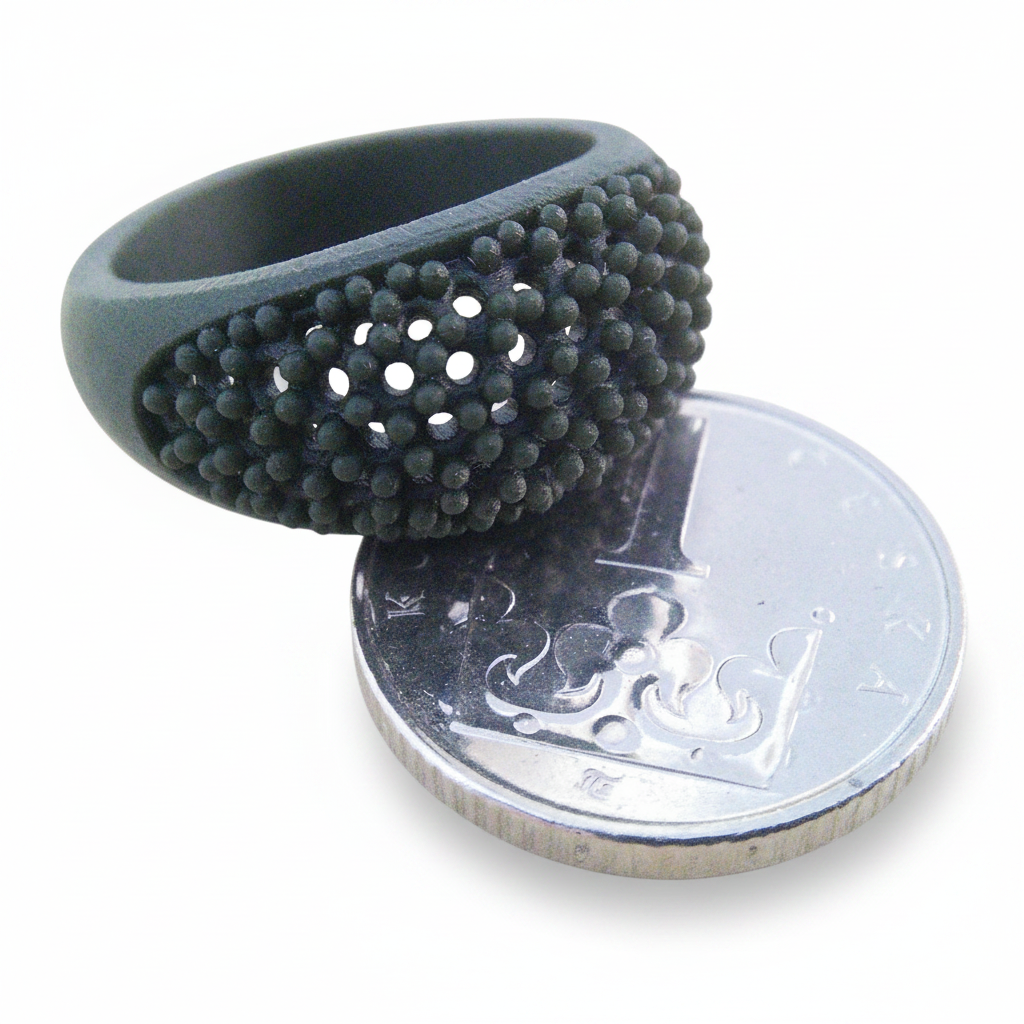
For casting-oriented workflows using photopolymer inkjet materials or wax-based inkjet routes.
Products
Supports & auxiliaries
Support removal, breakaway and maintenance routes
For water-soluble, water-swellable, breakable, jet-removable, wax-support and cleaner workflows associated with inkjet printing.
Products
Technical overview table
Workflow-dependent performance
Jetting stability, drop formation, curing response, surface quality, dimensional accuracy, support-removal behaviour and final mechanical performance depend on the interaction between resin family, viscosity window, printhead conditions, calibration and workflow setup.
Successful implementation therefore requires alignment between material selection, jetting compatibility, curing strategy, support logic and qualified application workflow.
Mobile: scroll horizontally to view all columns. The first column remains visible while scrolling.
Portfolio overview
Portfolio structure
A broad inkjet platform rather than a single-material line
This collection spans multiple inkjet application routes and behaviour profiles, allowing users to move from basic mechanical selection to application-specific shortlisting inside one portfolio.
-
Engineering & functional: standard and next-generation behaviour-based material families.
-
Dental: clear, gingival, orthodontic, restorative and flexible aesthetic laboratory routes.
-
Otoplastics: dedicated ultra-hard, hard-flexible and soft options.
-
Microfluidics: low-viscosity clear rigid routes for specialized functional uses.
-
Castable, support and maintenance: casting materials, removable supports and cleaning auxiliaries.
Workflow note
System-based material principle
Inkjet performance depends on the complete workflow, not only on the resin name
Material-jetting success depends on the interaction between resin formulation, printhead behaviour, viscosity control, droplet formation, curing settings, support strategy and post-processing logic.
For that reason, the correct route is usually selected first by application family and target behaviour, and only then qualified under the intended jetting and build conditions.
Technical and commercial support
Support framework
Documentation, technical selection help and development support
Use the resources below to move from inkjet material preselection to workflow validation, documentation review or project-specific technical support.
Support resources
Next step
Select the right inkjet route and validate the full material-jetting workflow
Use the behaviour- and application-based navigation above to identify the most relevant inkjet family, compare model, support and specialty candidates in the overview table, and move forward with technical validation for engineering, dental, otoplastics, microfluidic or casting workflows.
Quick actions