
3Dresyn PP SEA10 Super Elastic A10
Product description
3Dresyn PP SEA10 is a super-elastic, ultra-soft photopolymer formulation designed to provide extremely low modulus, exceptional stretchability and maximum flexibility while maintaining structural cohesion. The material enables the fabrication of components capable of undergoing extreme deformation, compression and elongation cycles without mechanical failure.
This formulation is engineered to deliver an ultra-low hardness elastomeric profile (Shore A scale), approaching gel-like mechanical behavior, making it particularly suitable for applications requiring ultimate compliance, full surface conformity and extreme deformation capability.
Application framework
Designed for use in vat photopolymerization systems (SLA, DLP and LCD) within professional and industrial environments for ultra-soft, highly elastic and highly deformable components.
Particularly suitable for extreme elastomeric printing plates and soft-contact transfer systems where ultra-low pressure, full substrate adaptation and maximum deformation are required.
Typical applications
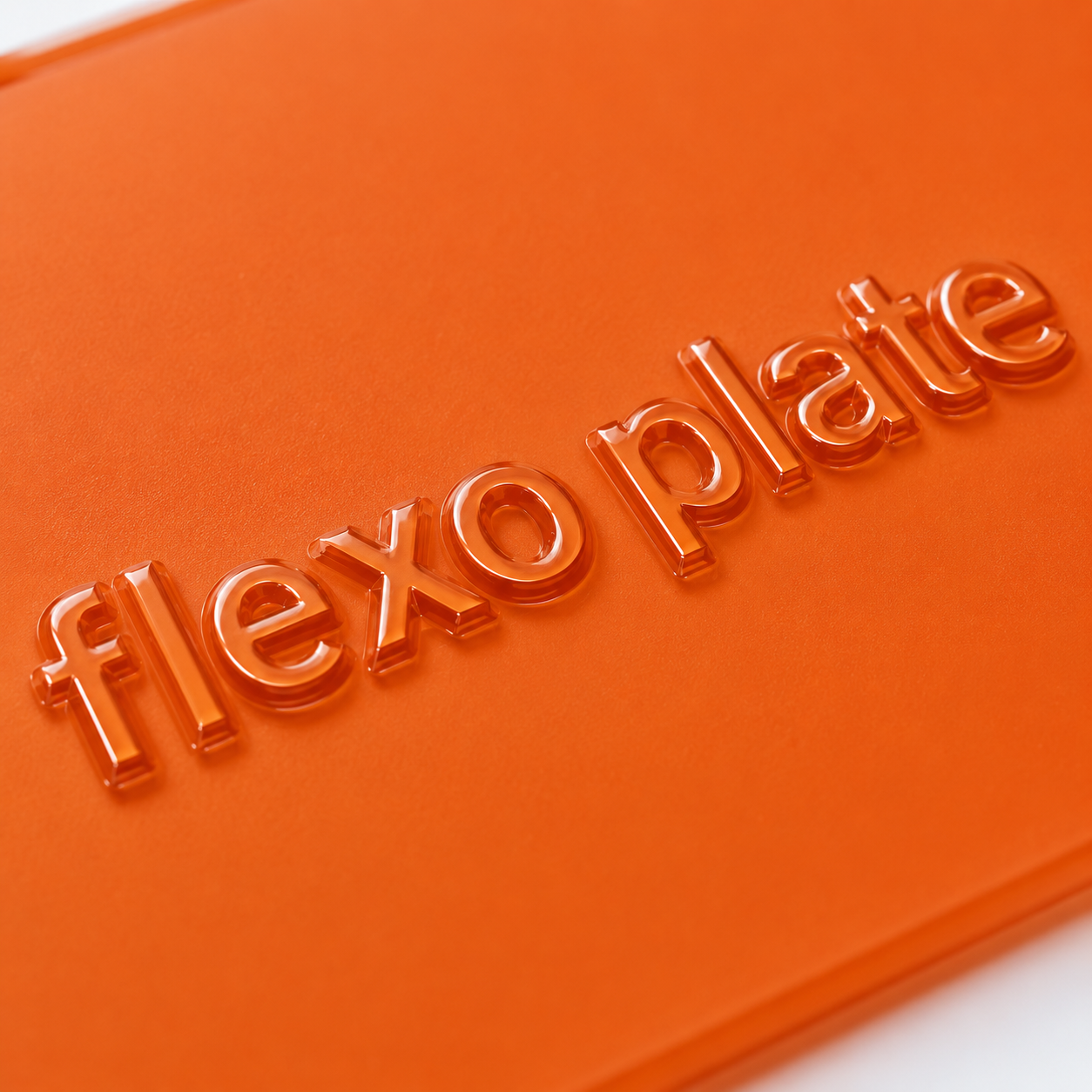
- Ultra-soft flexographic (flexo) printing plates for ultra-low pressure systems
- Pad printing clichés with extreme conformity and maximum ink transfer
- Soft-contact printing plates for highly irregular, fragile or compressible substrates
- Relief printing plates requiring extreme deformation capability
- Soft lithography and microcontact printing (gel-like / PDMS-like behavior)
- Functional patterned elastomers for surface transfer applications
- Printing on textiles, foams, soft polymers and delicate substrates
- Ultra-flexible and stretchable functional components
Measured mechanical properties
- Tensile strength: <2 MPa (ISO 527-1 / ISO 527-2)
- Flexural strength: <2 MPa (ISO 178)
- Young’s modulus: <2 MPa (ISO 527)
- Elongation at break: >>100% (ISO 527)
- Shore hardness: A10 (ISO 868)
Measured physical properties
- Shrinkage: very low (<1% typical)
- Resolution capability: very high (process-dependent)
- Viscosity: very low (<50 mPa·s)
Functional performance characteristics
- Super-elastic, ultra-soft elastomeric behavior
- Extreme flexibility and foldability without breaking
- Exceptional stretchability and deformation capacity
- Extremely low modulus enabling maximum deformation under minimal load
- Durable under repeated compression and elongation cycles
- Ultimate surface conformity and full contact adaptation
- High elastic recovery under extreme cyclic deformation
- Optimized for ultra-soft contact transfer and gel-like applications
Printing plate performance
- Contact behavior: ultra-soft elastomeric (extreme compression and deformation)
- Ink transfer: governed by full surface contact and material compliance
- Recovery: high elastic recovery after extreme deformation cycles
- Best suited for: ultra-soft flexographic printing, pad printing and soft lithography
- Flexo note: ideal for ultra-low pressure systems and highly irregular or fragile substrates
- Pad printing note: maximum ink pickup and transfer efficiency due to extreme compliance
Processing and handling performance
- Printing technologies: SLA, DLP and LCD
- Compatible with most commercial and professional systems when properly calibrated
- Stable processing and reliable printability
- Very low viscosity enabling easy recoating and handling
Chemical and safety characteristics
- Monomer-based (MB) formulation
- Reactive components may present irritation hazards prior to full polymerization
- Final properties and safety are achieved after proper post-curing and cleaning
- Synthetic resin base
- Organo-tin free formulation
Testing & processing disclaimer
Material properties are measured under controlled laboratory conditions and may vary depending on printer type, exposure conditions, layer thickness, build orientation and post-processing workflow.
Disclaimer
This material is supplied as a professional manufacturing material for engineering and printing workflows. It is not marketed as a finished product. Final part performance and suitability, including safety and biocompatibility, must be validated by the user after proper post-processing.
This technical datasheet should be used together with the relevant processing, calibration, safety and workflow documentation available in the 3Dresyns® Resources section.
Document reference: TDS-PP-SEA10-EN | Version: 2.0 | Last updated: March 2026
Choose options

