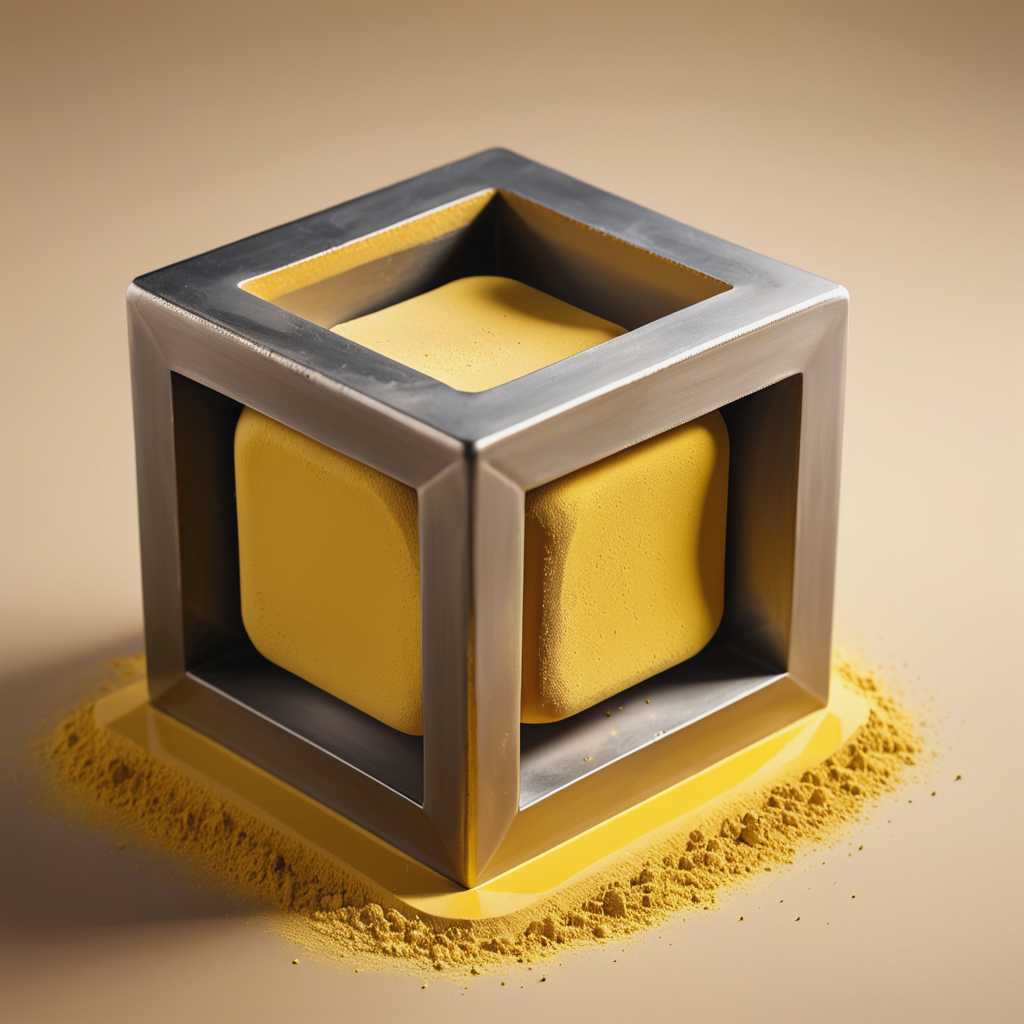
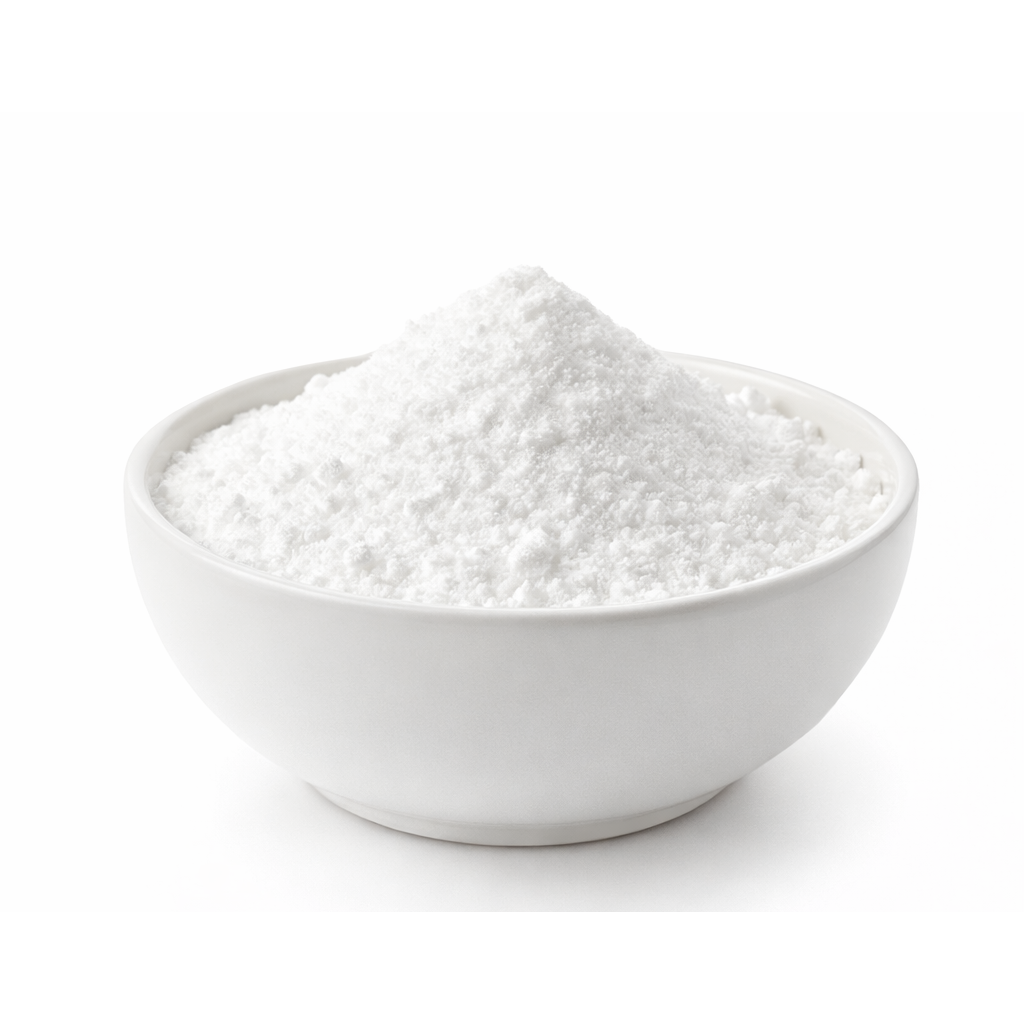
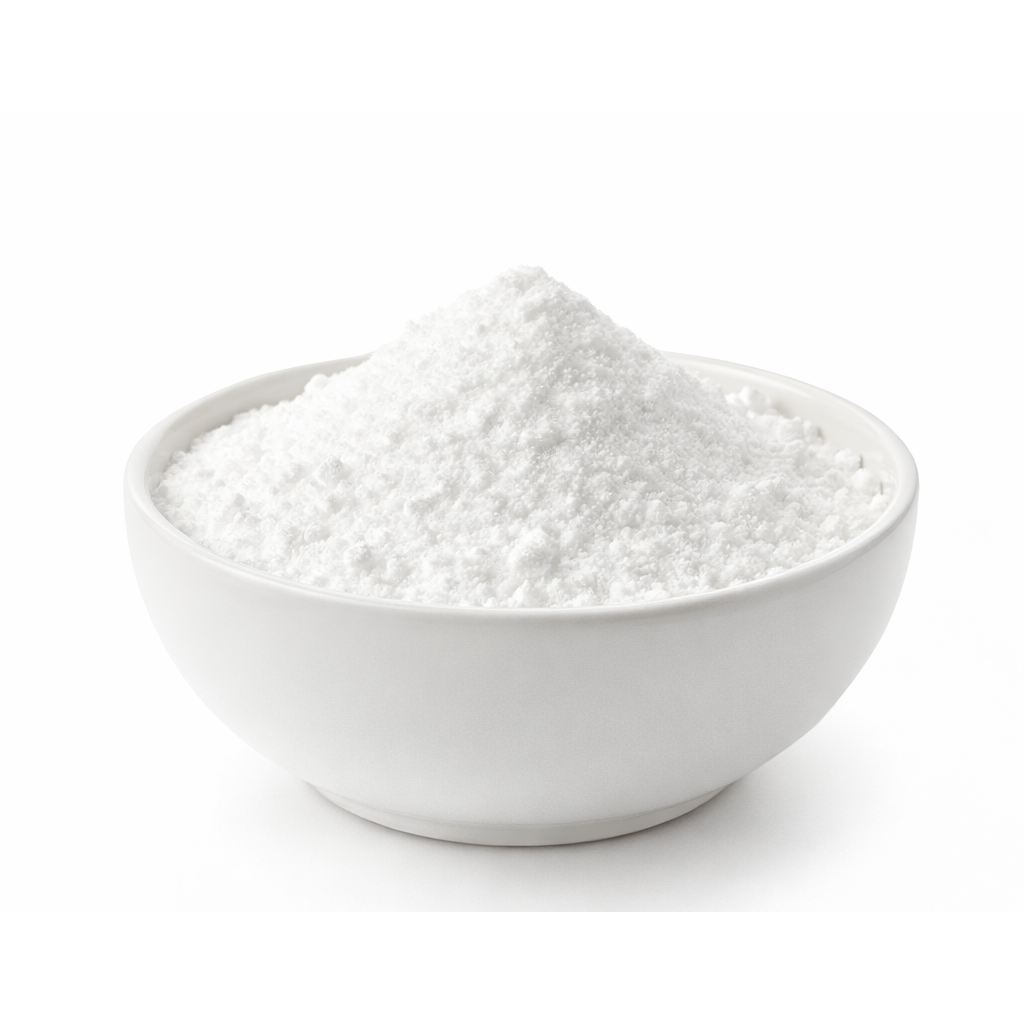
3Dresyns® powder binders in this collection are positioned for binder-assisted powder consolidation, green-part formation, debinding and indirect sintering routes across cold metal, ceramic, polymer and exotic-material fusion workflows.
Navigate by: debinding route, melt-viscosity logic and target powder family.
Select a binder route to identify the most relevant Cold Fusion system before validating powder composition, printer settings, debinding and sintering workflow.
Cold Fusion powder binder platform
This collection groups 3Dresyns® powder binders and related debinding resources for SLS-based Cold Metal Fusion, Cold Ceramic Fusion, Cold Polymer Fusion and exotic powder experimentation.
Material selection should be aligned with the chosen powder route, debinding chemistry, thermal window, binder flow behaviour and final green-part handling requirements.
Key features & benefits
Binder navigation
Choose your Cold Fusion binder family
Use the routes below to navigate the collection by binder logic, debinding route and intended material family.
Material routes
Collection strengths
- Cold-fusion powder binder concepts for metal, ceramic, polymer and exotic powder routes.
- Support for binder-assisted powder consolidation and green-part formation workflows.
- Coverage across solvent-debindable, water-debindable and high-temperature polymer-fusion routes.
- Useful for R&D, indirect sintering, advanced materials prototyping and experimental powder processing.
Typical applications
Application logic
Typical use scenarios across the collection
This collection is relevant for teams designing binder-assisted SLS workflows where the powder is not printed alone, but integrated into a broader debinding and sintering route.
-
Cold powder fusion R&D: exploratory development of binder-assisted SLS routes for non-standard powder systems.
-
Binder-assisted powder processing: green-part creation with selected ceramic, metal, polymer or exotic powders.
-
Indirect sintering workflows: routes where printed green parts are later debound and thermally processed.
-
Cold Polymer Fusion: processing of high-performance polymers such as PEEK and PEKK under adapted binder logic.
-
Advanced prototyping: experimental and engineering development where process tunability matters as much as final composition.
Why choose this collection
Selection logic
How to choose the right Cold Fusion binder
Select the most suitable route according to debinding method, target powder family and green-part handling requirements.
Decision guide
-
Need a universal solvent-debindable route → 3D-POWDER CF1 SD Bio
-
Need a universal water-debindable route → 3D-POWDER CF2 WD Bio
-
Need water debinding with relatively higher melt viscosity → 3D-POWDER CF4 WD Bio
-
Need Cold Polymer Fusion for high-performance polymers such as PEEK or PEKK → 3D-POWDER CF5 SD Bio
-
Need the matching liquid route for cold eco debinding → Debinding Solution DS1 Bio
Workflow preference
-
Prioritise eco solvent debinding → CF1 SD Bio plus the relevant debinding solution
-
Prioritise water-debindable binder logic → CF2 WD Bio or CF4 WD Bio depending on flow and handling needs
-
Prioritise higher-temperature polymer-fusion strategy → CF5 SD Bio for CPF routes such as PEEK and PEKK
Engineering rule
Decision tree summary
Use this simplified engineering logic before detailed process validation.
Decision steps
-
Need broad ceramic / metal / exotic powder flexibility → CF1 SD Bio or CF2 WD Bio
-
Need higher melt-viscosity water-debindable behaviour → CF4 WD Bio
-
Need a binder tailored to high-temperature polymer sintering logic → CF5 SD Bio
-
Need controlled cold debinding support liquid → Debinding Solution DS1 Bio
-
Need a compatible SLS cobinder route → PP, UHMWPE, Nylon 11, Nylon 12, PLA, LDPE or HDPE depending on strategy
Then validate the final route under the intended powder ratio, printer mode, debinding medium, thermal ramp and sintering protocol.
Products in this collection
Solvent-debindable route
Universal solvent-debindable binders
For Cold Fusion workflows where solvent debinding, broad powder compatibility and controlled powder wetting are priorities.
Products
Water-debindable route
Water-debindable Cold Fusion binders
For workflows prioritising water-based debinding with different binder-handling and melt-viscosity profiles.
Products
Cold Polymer Fusion
Binder route for high-performance polymer fusion
For CPF workflows involving high-performance polymers such as PEEK and PEKK where low thermal degradation is important for the binder strategy.
Product
Debinding support
Cold eco debinding liquid
For cold debinding stages associated with solvent-debindable binder systems and related advanced material workflows.
Product
Compatible SLS cobinders
Visible powder routes currently shown in the collection
The collection also shows several SLS polymer powders that can help frame compatible powder-processing strategies and cobinder logic depending on the selected Cold Fusion route.
Visible linked products
Technical overview table
Workflow-dependent performance
Powder wetting, green-part cohesion, debinding speed, thermal removal, shrinkage and final sintering outcome depend on the interaction between binder chemistry, added powder type, cobinder content, machine settings and thermal schedule.
Successful implementation therefore requires alignment between binder selection, powder composition, printer capability, debinding medium and qualified thermal processing parameters.
Mobile: scroll horizontally to view all columns. The first column remains visible while scrolling.
Portfolio overview
Portfolio structure
A process-oriented binder platform rather than a single-material offer
This collection is structured around Cold Fusion workflow logic, not just around isolated products. It combines binder systems, debinding support and visible SLS cobinder references so users can move from conceptual route selection to practical formulation planning.
-
CF1 SD Bio covers the universal solvent-debindable route.
-
CF2 WD Bio and CF4 WD Bio cover water-debindable strategies with different handling logic.
-
CF5 SD Bio extends the platform toward Cold Polymer Fusion of higher-temperature polymer systems.
-
DS1 Bio supports the debinding stage.
- The visible SLS powders broaden the practical route-planning context for cobinder and compatible powder strategies.
Workflow note
System-based binder principle
The right binder depends on powder family, debinding route and thermal processing window
Choose solvent-debindable systems when eco solvent removal and broad compatibility are priorities, water-debindable systems when water-based debinding is preferred, and CPF-specific binders when working with high-performance polymers such as PEEK or PEKK.
Final suitability should always be validated under the intended powder ratio, SLS printer configuration, debinding medium, thermal debinding schedule and sintering conditions.
Technical and commercial support
Support framework
Documentation, technical selection help and development support
Use the resources below to move from binder preselection to workflow validation, technical discussion or custom development.
Support resources
Next step
Select the right Cold Fusion binder route and validate the full workflow
Use the binder-family navigation above to identify the most relevant Cold Fusion system, compare candidates in the technical overview table, and move forward with powder-specific validation for metal, ceramic, polymer or exotic-material processing.
Quick actions