Biocompatible flexible photopolymer systems for advanced additive manufacturing workflows requiring controlled flex, dimensional precision and reliable mechanical performance.
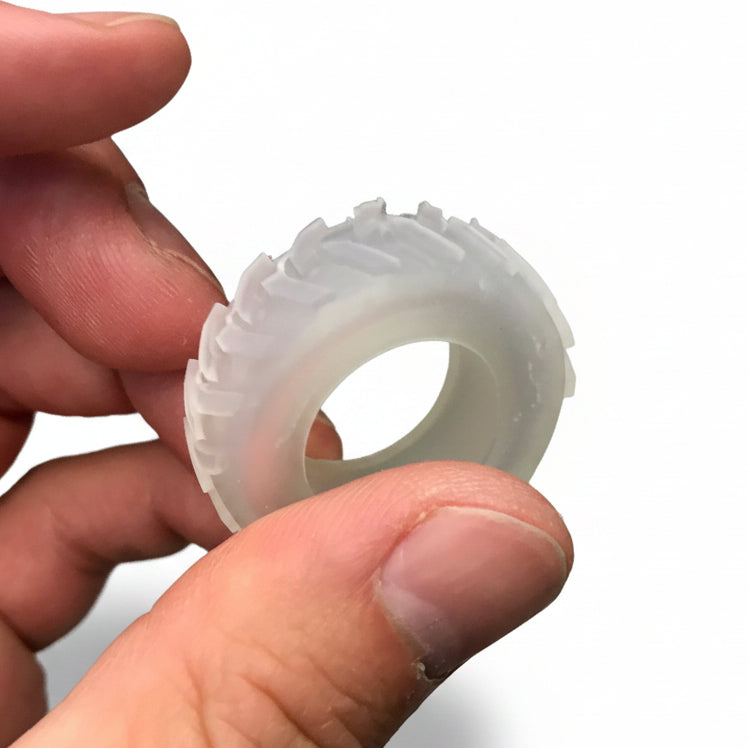
3Dresyns® Bioflex materials are engineered for applications where bendability, resilience and stable printability are required without moving into rubber-like elastic behaviour.
Navigate by: hardness range, monomer-free or monomer-based route, and intended flex profile.
Select a Bioflex route to identify the most relevant flexible family before validating the final workflow.
Biocompatibility framework
Biocompatibility-related testing may be performed under controlled laboratory conditions (e.g., ISO 10993 where applicable) depending on the formulation and version. Reported results represent typical responses obtained under defined configurations and should not be interpreted as intrinsic or unconditional properties of the liquid resin alone.
Key features & benefits
Material navigation
Choose your Bioflex mechanical family
Use the routes below to navigate the Bioflex portfolio by hardness profile and formulation logic.
Material routes
Collection strengths
- Flexible mechanical response with balanced strength and bendability depending on grade.
- Stable printability across a structured hardness range from D60 to A10.
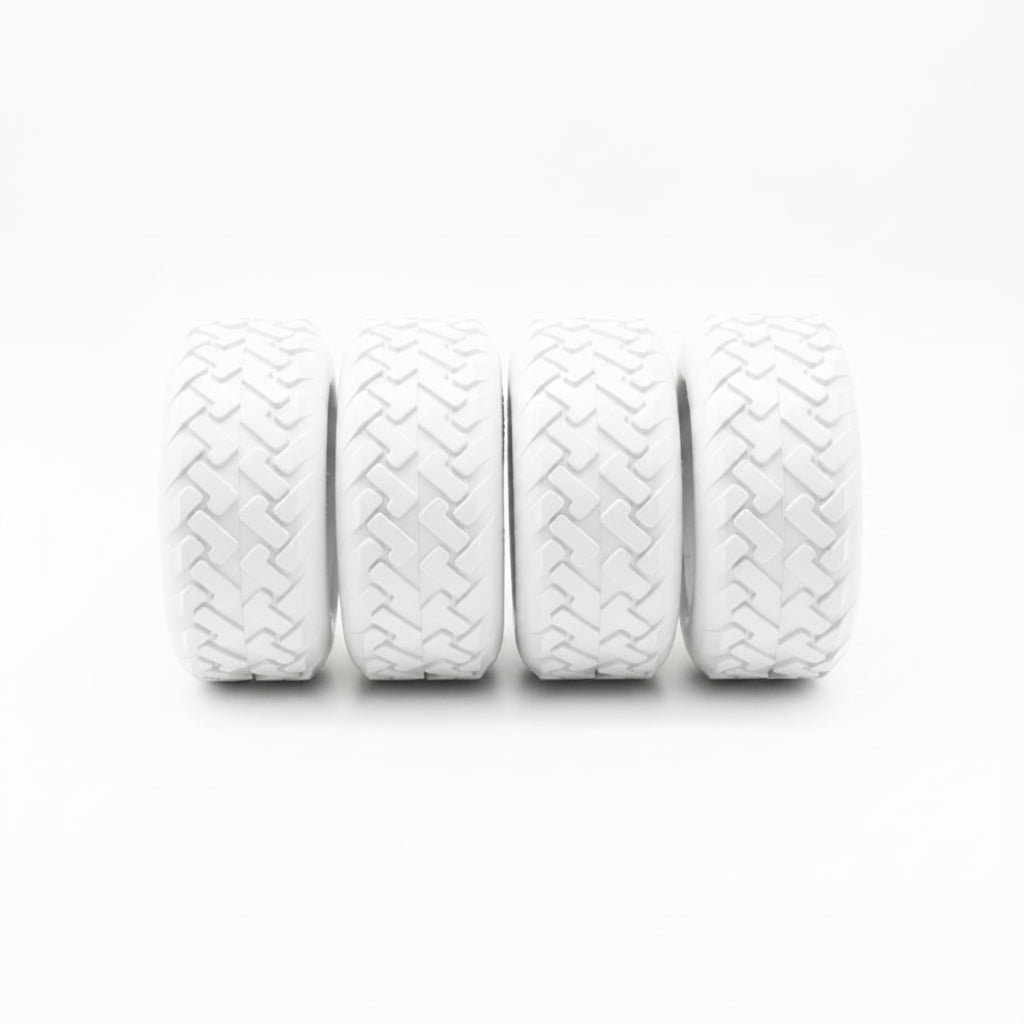
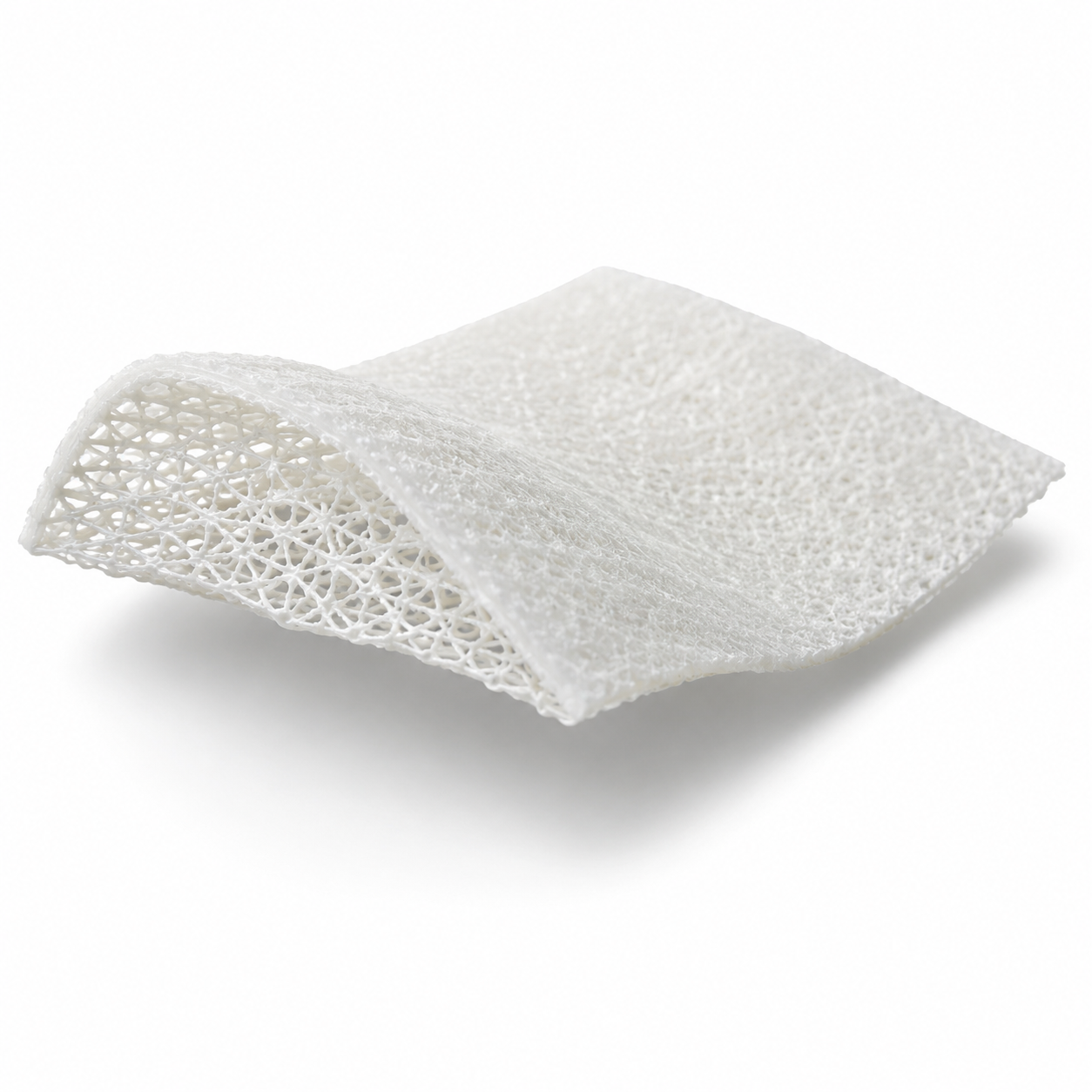
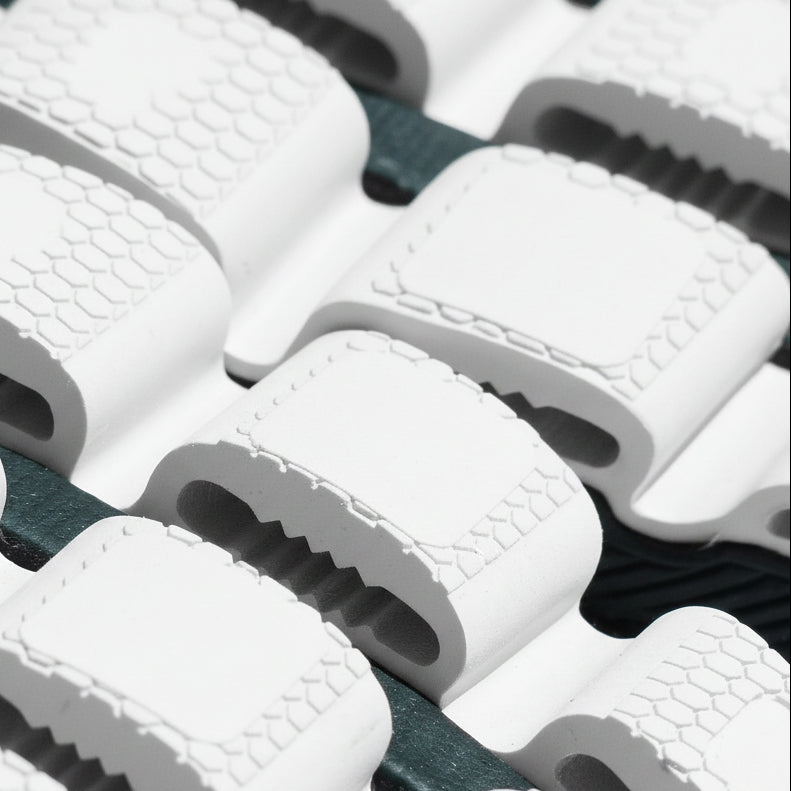
- Suitable for parts requiring controlled flex without rubber-like elasticity.
- Includes both monomer-free and monomer-based routes where available.
Typical applications
Application logic
Typical use scenarios across the collection
This collection is structured for applications where controlled flex and resilience matter more than pure stiffness or fully elastic rebound.
-
Flexible clips: parts requiring repeated bending without brittle failure.
-
Living hinges: controlled flexural response in thin or articulated sections.
-
Compliant fixtures: fixtures and holders needing a balance of strength and bendability.
-
Wearable prototypes: components that benefit from comfort and controlled softness.
-
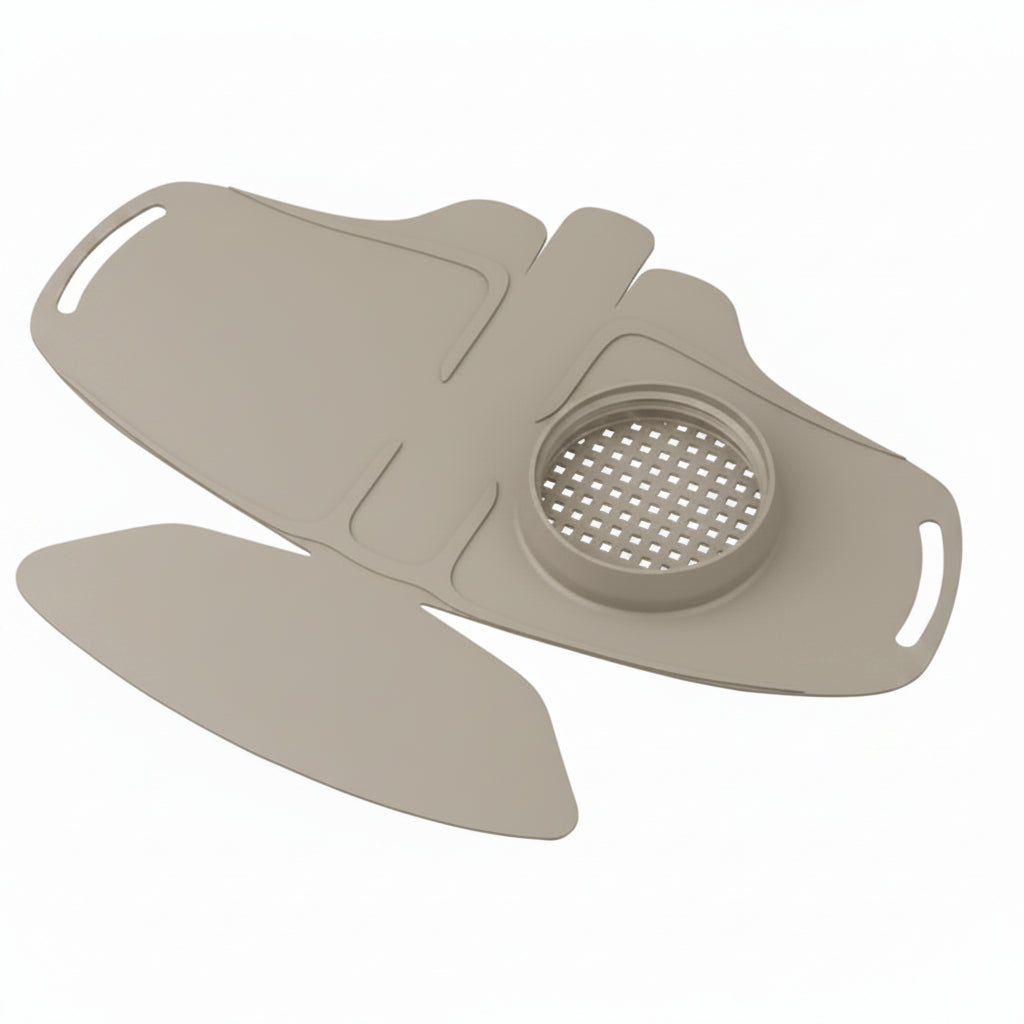
Functional parts requiring bendability and resilience: end-use oriented parts where flex response is a design feature.
Why choose this collection
Selection logic
How to choose the right Bioflex material
Select the most suitable material according to structural behaviour, hardness range and formulation profile.
Decision guide
-
Need the highest hardness within the Bioflex family → Bioflex D60
-
Need flexible hard-elastic or hard-flexible behaviour → Bioflex A90, A80 or A70
-
Need soft flexible behaviour → Bioflex A60 or A50
-
Need very soft to extremely soft compliance → Bioflex A20 or A10
Formulation preference
-
Prefer monomer-free workflow → choose MF grades where available
-
Standard monomer-based workflow acceptable → choose MB grades where available
Engineering rule
Decision tree summary
Use this simplified engineering logic before detailed workflow validation.
Decision steps
-
Need semi-rigid flexible behaviour → D60
-
Need harder flexible response → A90 / A80 / A70
-
Need softer flexible response → A60 / A50
-
Need very soft compliance → A20 / A10
Then validate final suitability under the intended cleaning, post-curing and IFU-qualified workflow.
Products in this collection
Semi-rigid / flexible route
D60 flexible structural route
For flexible structural parts with higher hardness and more controlled deformation.
Products
Hard-flexible routes
A90 to A70 flexible range
For parts requiring flexible behaviour with higher hardness, reduced brittleness and controlled bendability.
Products
Soft-flexible routes
A60 to A10 compliant range
For softer functional parts, compliant features and very soft flexible applications.
Products
Monomer-free routes
MF grades across the Bioflex range
For users prioritising monomer-free workflow logic within the Bioflex family.
Products
Monomer-based routes
MB grades across the Bioflex range
For users working with the standard monomer-based route where available inside the Bioflex portfolio.
Products
Technical overview table
Workflow-dependent performance
Mechanical behavior, surface characteristics, dimensional accuracy and biological interaction outcomes depend on multiple interacting variables, including formulation version, exposure strategy, printer calibration, washing procedure and post-curing conditions.
Successful implementation requires alignment between material selection, equipment capability and strict adherence to qualified Instructions for Use.
Mobile: scroll horizontally to view all columns. The first column remains visible while scrolling.
Portfolio overview
Portfolio structure
A structured flexible platform rather than a single soft material
The Bioflex collection spans multiple hardness levels and two formulation logics, helping users move from higher-hardness flexible systems to very soft compliant grades inside one coherent family.
-
D60 covers the semi-rigid flexible route.
-
A90 to A70 cover the harder flexible range.
-
A60 to A10 cover the soft to extremely soft range.
-
MF and MB routes allow selection according to formulation preference where available.
Workflow note
System-based material principle
3Dresyns biocompatible photopolymers are structured material systems
Performance and biological response are workflow-dependent outcomes obtained under reference configurations, not intrinsic constants independent of processing variables.
For that reason, final suitability should always be validated under the intended printer technology, exposure strategy, washing protocol and post-curing route.
Technical and commercial support
Support framework
Documentation, technical selection help and workflow support
Use the resources below to move from Bioflex preselection to workflow validation, documentation review or project-specific technical support.
Support resources
Next step
Select the right Bioflex route and validate the final flexible workflow
Use the hardness- and formulation-based navigation above to identify the most relevant Bioflex material, compare candidates in the technical overview table, and move forward with workflow-specific validation for flexible functional parts.
Quick actions
Regulatory notice
3Dresyns biocompatible materials are supplied as professional manufacturing materials for additive manufacturing workflows. They are not marketed as finished medical devices unless explicitly stated for a specific product and jurisdiction.
The regulatory classification, validation and compliance of any final medical device manufactured using these materials remain the sole responsibility of the legal manufacturer of that device in accordance with applicable regulations, including Regulation (EU) 2017/745.