
Bio-Based 3D Printing Resins
Bio-based 3D resins organized for renewable-content prototyping, functional development and reduced fossil-based workflows in SLA, DLP and LCD/MSLA printing.
This collection supports comparison of bio-based resin grades for environmentally conscious prototyping, engineering development and industrial applications where renewable feedstock positioning matters.
Navigate by: renewable feedstock content, mechanical profile, functional testing, professional application or workflow priority.
This collection is structured for users prioritizing renewable feedstock content, reduced fossil-based content and reliable printing performance across a range of rigid, tough and flexible resin grades.
It includes bio-based materials for functional testing, industrial components, engineering prototypes and application development where process repeatability and sustainability positioning are both relevant.
Quick selection by workflow priority
Choose your bio-based resin route
Use the routes below to access the most relevant resin family in this collection.
Key features & benefits
Bio-based resins for prototyping and functional components
These materials are designed for renewable-content workflows where reliable printing performance, stable post-cured properties and consistent handling are required across different mechanical profiles.
- Renewable feedstock content and reduced fossil-based content
- Reliable printing performance and consistent printability
- Stable post-cured properties and high bio-content components derived from renewable sources
- Rigid, tough and flexible mechanical profiles depending on grade
- Low shrinkage options, high resolution and reliable surface quality
- Dimensional accuracy, process repeatability and SLA, DLP and LCD/MSLA compatibility
Typical applications
These resins are relevant for development workflows where renewable-content positioning, engineering performance and reduced fossil-based content are more important than conventional petrochemical-only material routes.
- Environmentally conscious prototyping
- Functional testing and engineering prototypes
- Industrial components and consumer products
- Research projects and application development
- Indirect manufacturing tools and functional components where reduced fossil-based content is a priority
Products in this collection
Products in this collection are shown below.
This collection currently includes bio-based resin grades positioned for prototyping, engineering development, industrial applications and functional component workflows depending on the selected mechanical profile and application need.
Selection logic
How to choose the right bio-based resin
Select the most suitable grade according to whether your priority is renewable-content prototyping, functional performance, industrial application fit or reduced fossil-based material positioning.
- Need a renewable-content route for prototypes and concept validation → choose the prototyping-oriented bio-based grade
- Need functional testing and engineering development performance → choose the grade aligned with the required mechanical profile
- Need industrial or consumer product application suitability → choose the grade positioned for component use
- Need reduced fossil-based content as a key selection factor → choose the most appropriate bio-based route for the target workflow
Final performance depends on process control and grade selection
Even with bio-based material platforms, final results depend on printer calibration, layer settings, exposure strategy, washing conditions and post-curing control.
These materials are best interpreted as application-specific tools where renewable-content positioning, mechanical profile and process repeatability must all be aligned with the intended end use.
Bio-based resin comparison table
Use the table below to compare the products in this collection by positioning, formulation profile and typical use.
| Product | Positioning | Formulation & safety | Optical / color | Best fit | Typical use |
|---|---|---|---|---|---|
| 3Dresyn BioDeg Corn H | Hard biodegradable compostable corn resin | 85% bio, biodegradable + compostable (ISO 14855-2 / ASTM D5338 ref) | Natural | Rigid D70-80 | Eco-conscious rigid prototypes, concept parts and models with end-of-life composting |
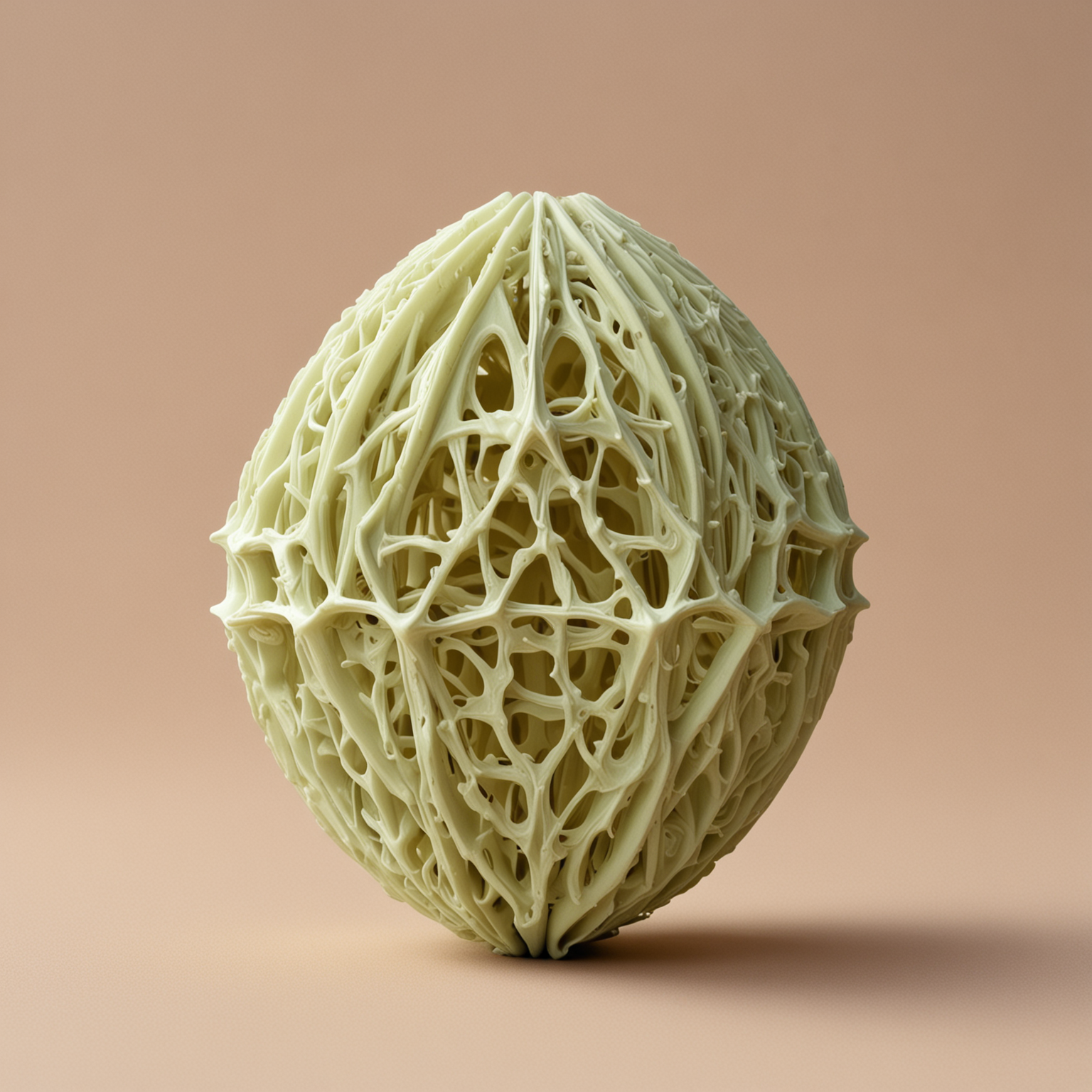
| 3Dresyn BioDeg Corn F | Flexible biodegradable compostable corn resin | 85% bio, biodegradable + compostable | Greenish beige | Semi-flexible D30-60 | Eco-conscious flexible prototypes and semi-flexible parts |
| 3Dresyn BioDeg Corn E | Elastic biodegradable compostable corn resin | 85% bio, biodegradable + compostable | Greenish beige | Soft elastic A50 | Eco-conscious elastic and soft-touch parts with high elongation |
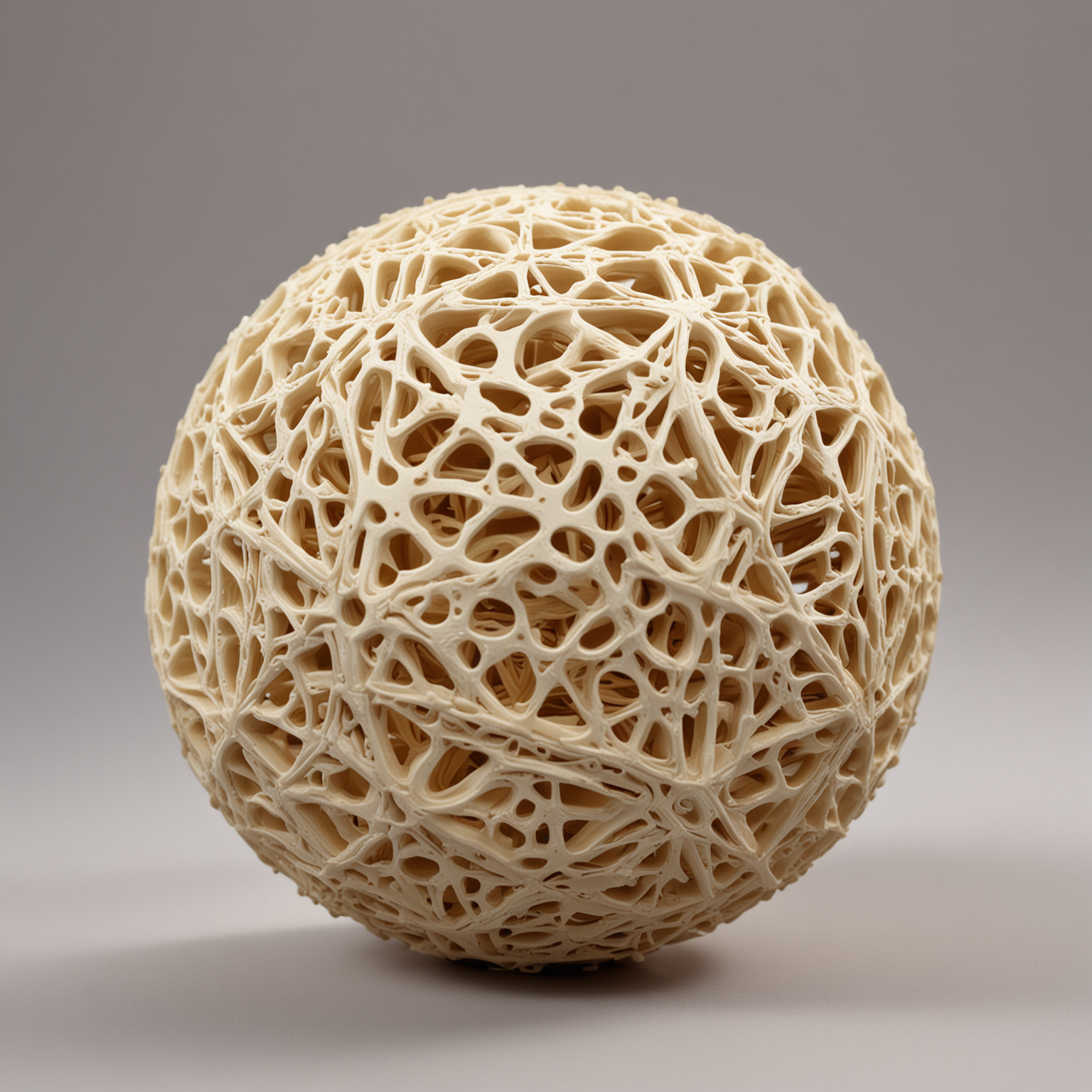
| 3Dresyn Bio Corn | Corn-based high bio-content resin | 88% bio, partial enzymatic degradation | Natural | Hard rigid D60-70, high resolution | Eco-conscious high-resolution models, concept and validation parts |
| 3Dresyn Bio Bamboo | Bamboo-based high bio-content resin | 88% bio, partial enzymatic degradation | Whitish | Hard rigid D60-70, high resolution | Eco-conscious high-resolution models and concept parts |
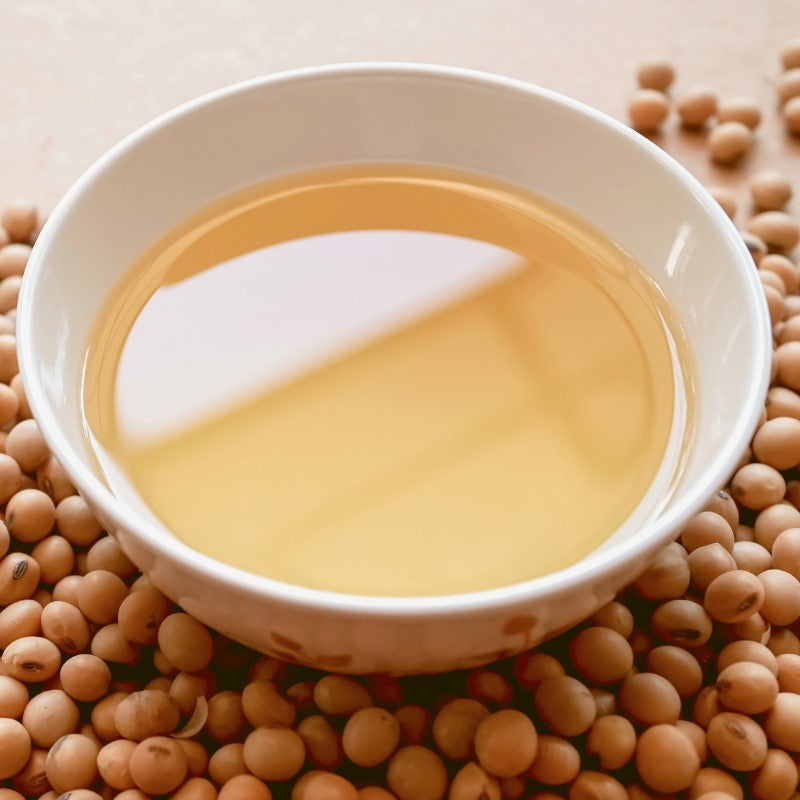
| 3Dresyn Bio Soya1 | Soy-based bio resin | 82% bio, EN 71-3 reference | Clear to slightly yellow | Rigid D60-70, high resolution | Eco-conscious prototypes and general-purpose rigid parts |
| 3Dresyn Bio D | Soy-based resin with photo-oxidative catalysts | 81% bio, enzymatic + photo-oxidative pro-degradant | Natural yellow / red | Rigid D60-70 | Eco-conscious prototypes and parts designed for accelerated, controlled degradation |
| 3Dresyn USF Bio D | Monomer-free fast bio resin | 50% bio, monomer-free, BPA-free, EN 71-3 ref | Red turning clear after UV | Rigid D70, ultra-fast curing | Fast proof-of-concept models and rapid iteration workflows |
| 3Dresyn ENG3 Bio | Engineering bio-based resin | 25% bio, BPA-free, organo-tin free | Clear, black, grey, white | Hard tough D85, high strength | Functional parts, jigs, fixtures, housings and durable prototypes |
| Liquefier | End-of-life liquefier (auxiliary) | 100% bio, biodegradable + compostable (OECD 302B / 310) | Liquid | Auxiliary, not a resin | Dissolves printed BioDeg Corn H and F for composting (not compatible with Corn E) |
Mobile: scroll horizontally to view all columns. The first column remains visible while scrolling.
Engineering note
These materials are intended for prototyping, functional testing, industrial development and application-oriented workflows. Final part quality still depends on calibration, washing and post-curing conditions, regardless of renewable-content positioning.
Interpretation principle
These products should be understood as bio-based resin platforms for reduced fossil-based workflows. Final suitability depends on the printer, exposure strategy, mechanical requirements, sustainability preference and intended application function.
Resins with high bio-based content can behave differently from more conventional synthetic photopolymer systems and may require tighter workflow control during printing.
Depending on formulation and printer conditions, high bio-content resins may show a greater tendency to adhere to the release film, including FEP-based systems, and can present a narrower and more sensitive printing window.
These materials may also exhibit lower mechanical strength, lower toughness or higher brittleness than fully synthetic systems or formulations with lower bio-based content, which can increase the risk of failure both during printing and in final use if the application is mechanically demanding.
For this reason, bio-based resin selection should always consider not only sustainability targets, but also printer compatibility, release behaviour, part geometry and real mechanical requirements.
Sort by
Filters











From prototyping to industrial production, performance depends on materials, calibration and process control