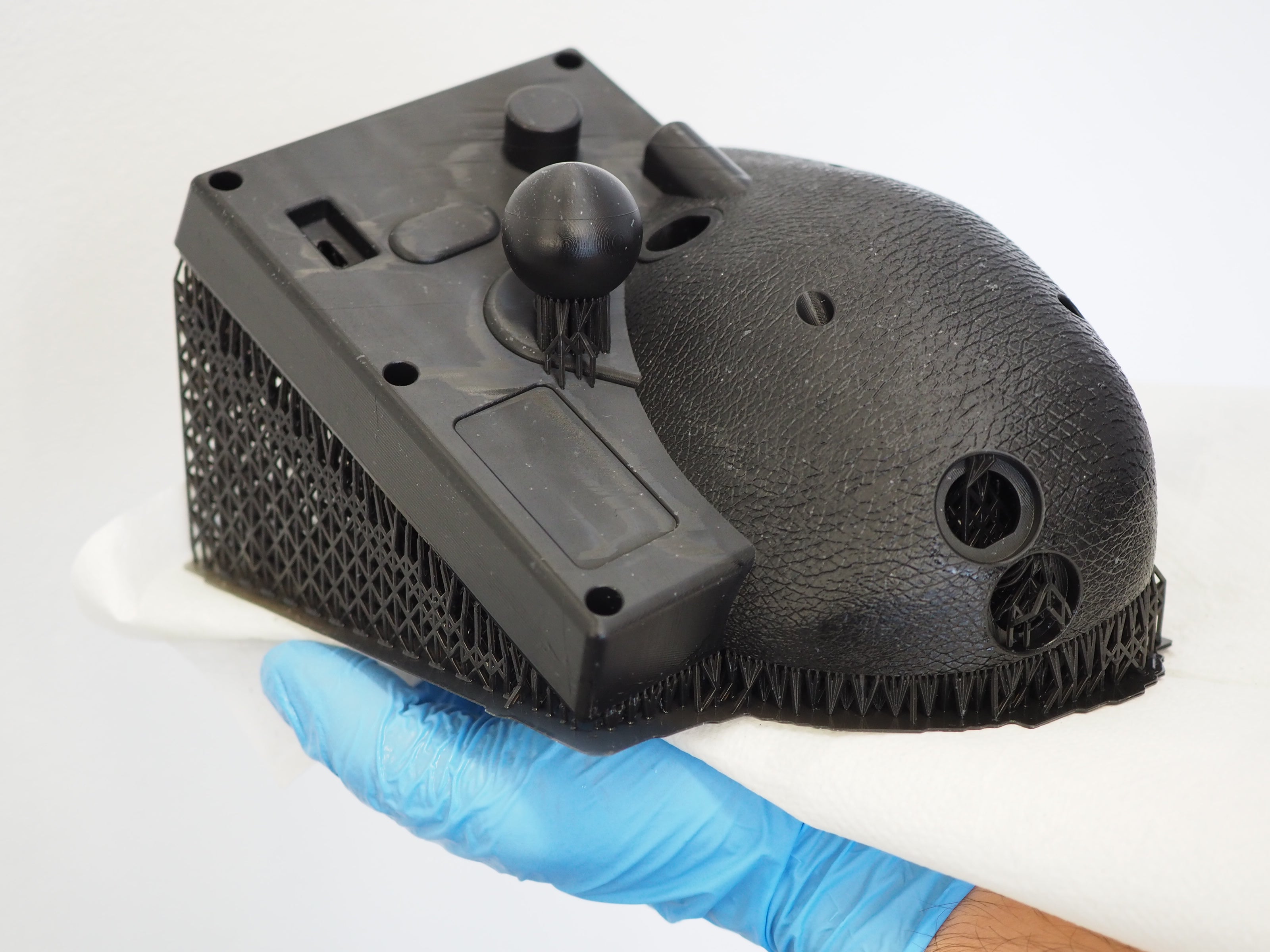
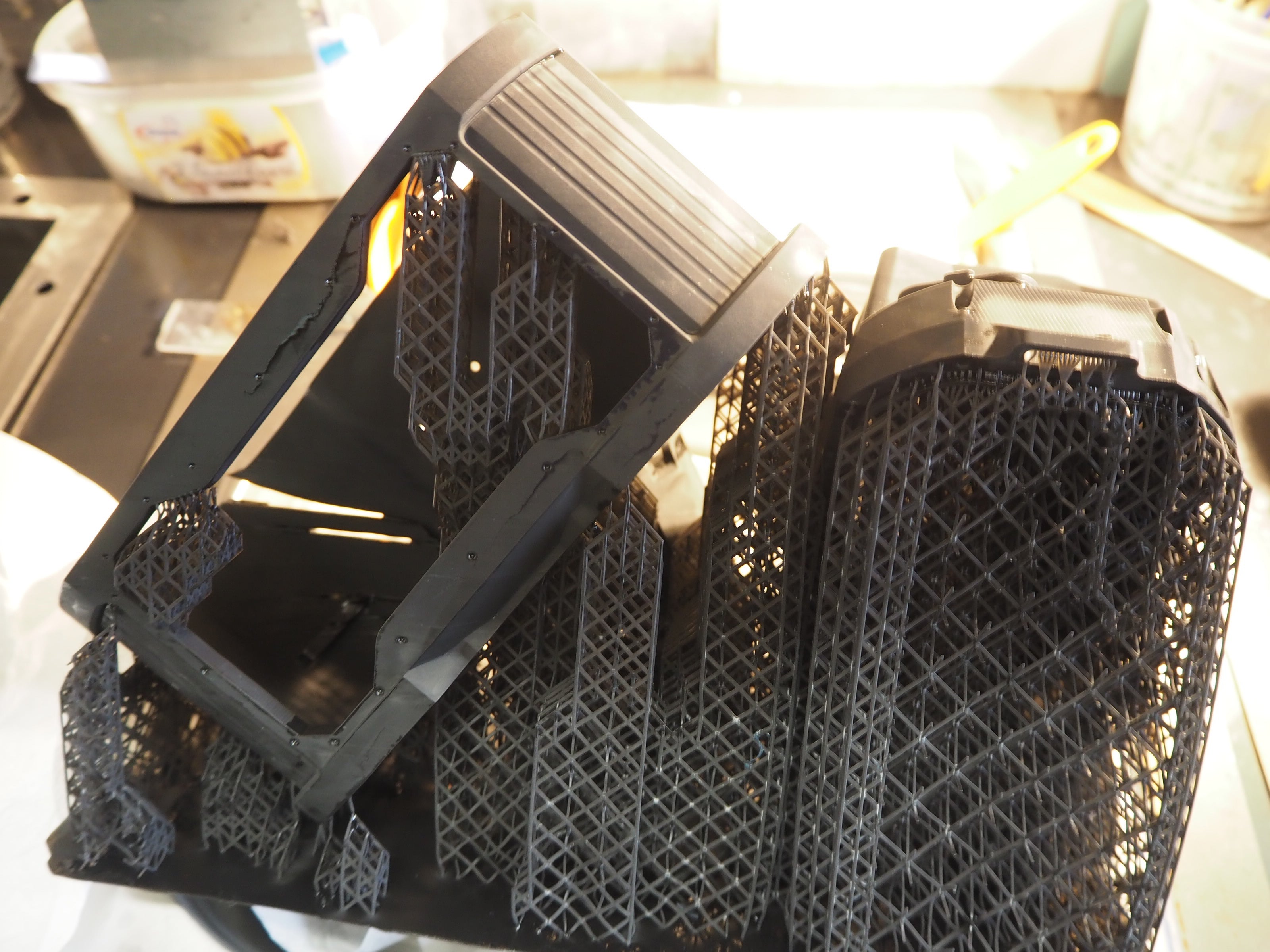
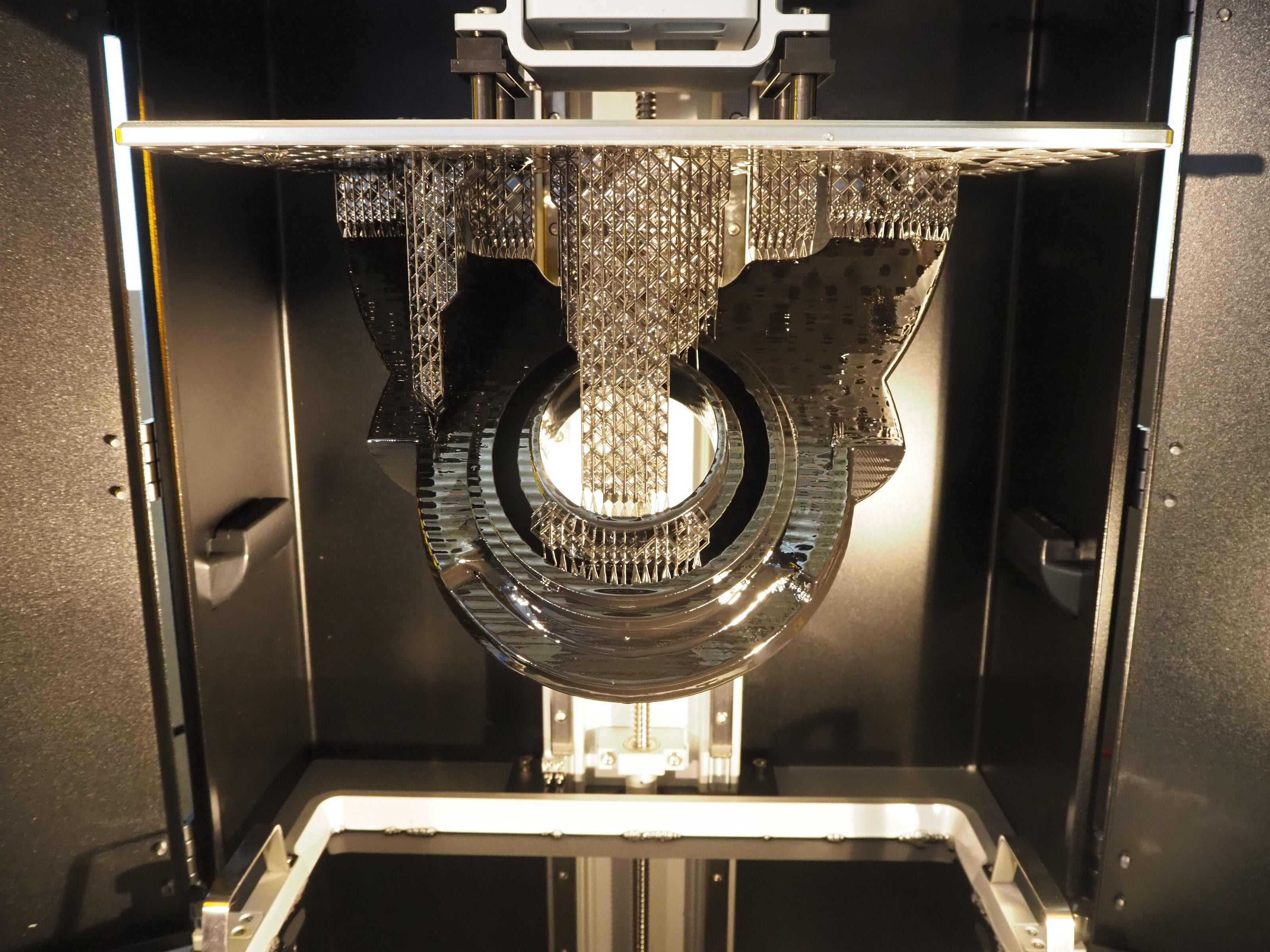
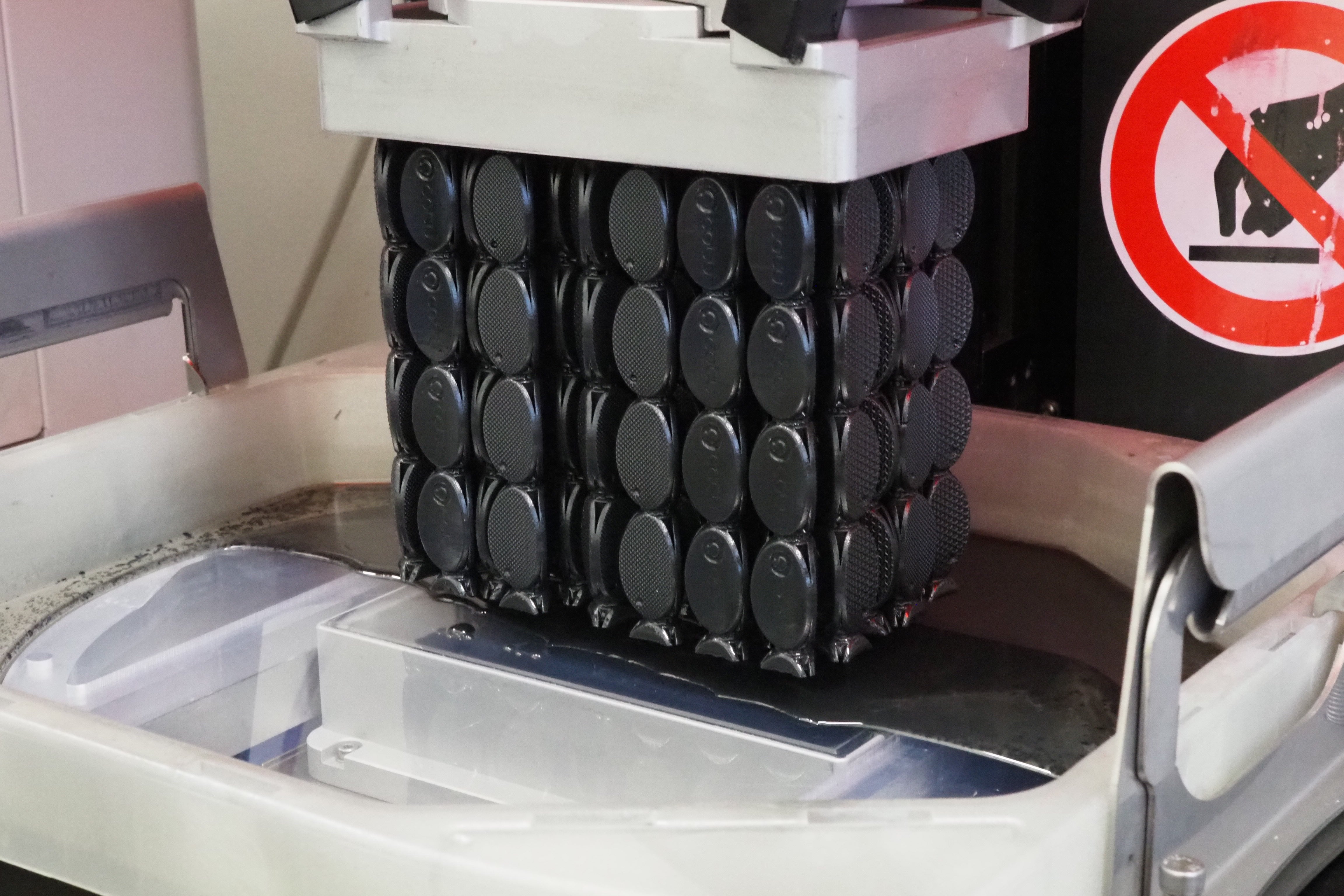
ESD 3D resins organized for electrostatic-control workflows, electronics-safe handling and functional parts in SLA, DLP and LCD/MSLA printing.
This collection supports comparison of ESD-dissipative materials across rigid, tough, foldable, flexible and elastic mechanical profiles for electronics-related manufacturing and prototyping.
Navigate by: thermal resistance, rigidity, toughness, flexibility or target use in ESD-sensitive environments.
Select the grade according to workflow priority and validate the final resin choice for the intended printer, exposure settings, ESD-control requirements and application criticality.
Electrostatic-control material platform
This collection is structured for users requiring ESD-oriented materials for fixtures, housings, handling tools and functional parts used around sensitive electronic components.
It includes ultra-rigid, tough, foldable, flexible and elastic grades to support electronics-safe workflows across a broad mechanical range.
Quick selection by workflow priority
Material navigation
Choose your ESD material route
Use the routes below to access the most relevant ESD material family in this collection.
Typical routes
Key features & benefits
Material profile
ESD-compliant photopolymers for electronics-sensitive workflows
These materials are designed for environments where electrostatic control and repeatable functional performance are required together with practical mechanical behavior.
Main advantages
- Electrostatic control positioning
- ESD-dissipative behavior depending on grade
- Improved safety in ESD-sensitive environments
- Stable and repeatable printing
- Functional performance for electronics-related workflows
- Broad mechanical range from ultra-rigid to super-elastic
Typical uses
Typical applications
These resins are relevant for electronics manufacturing and handling workflows where static control and mechanical suitability must be considered together.
Application examples
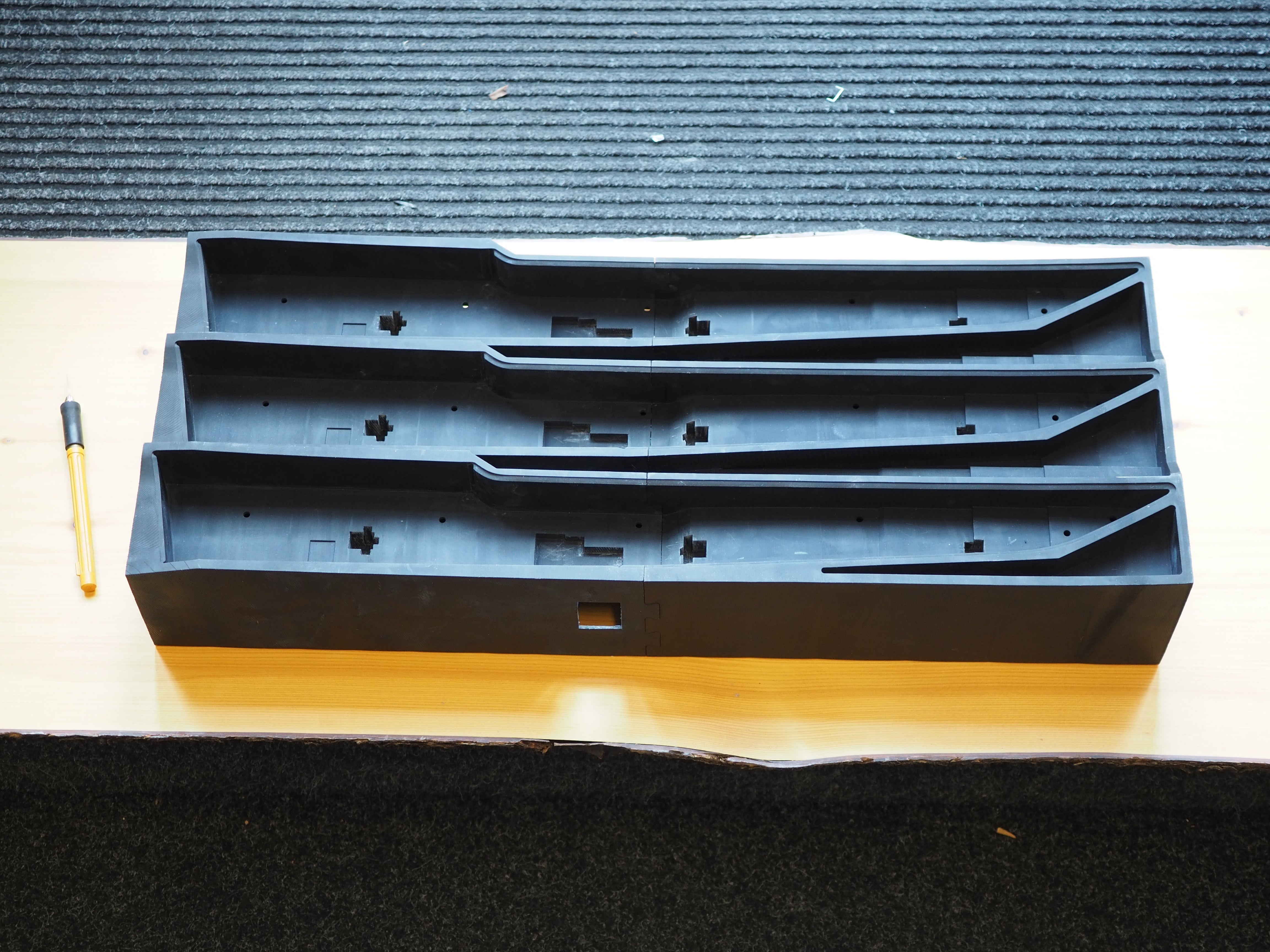
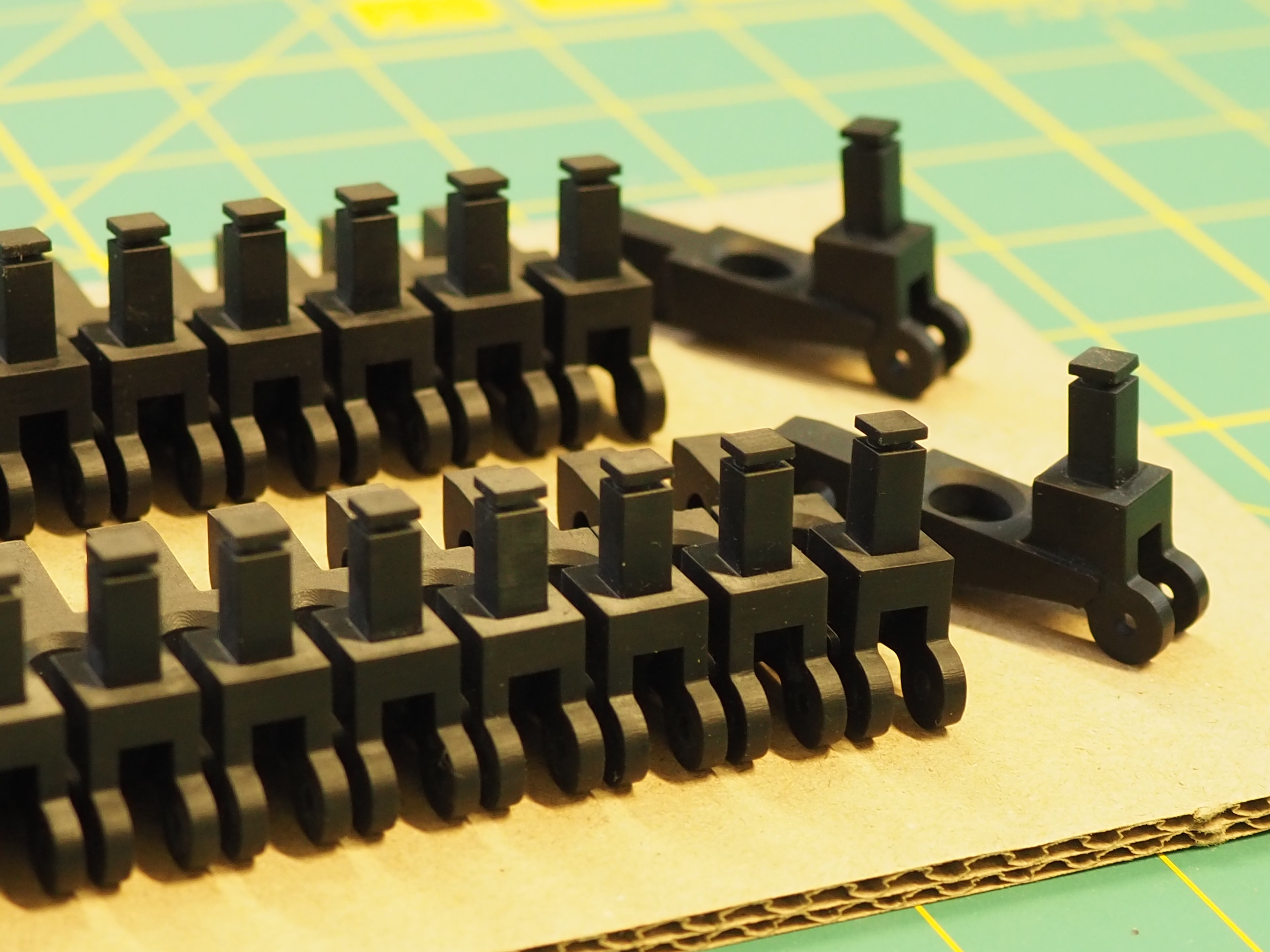
- ESD-safe fixtures and electronics housings
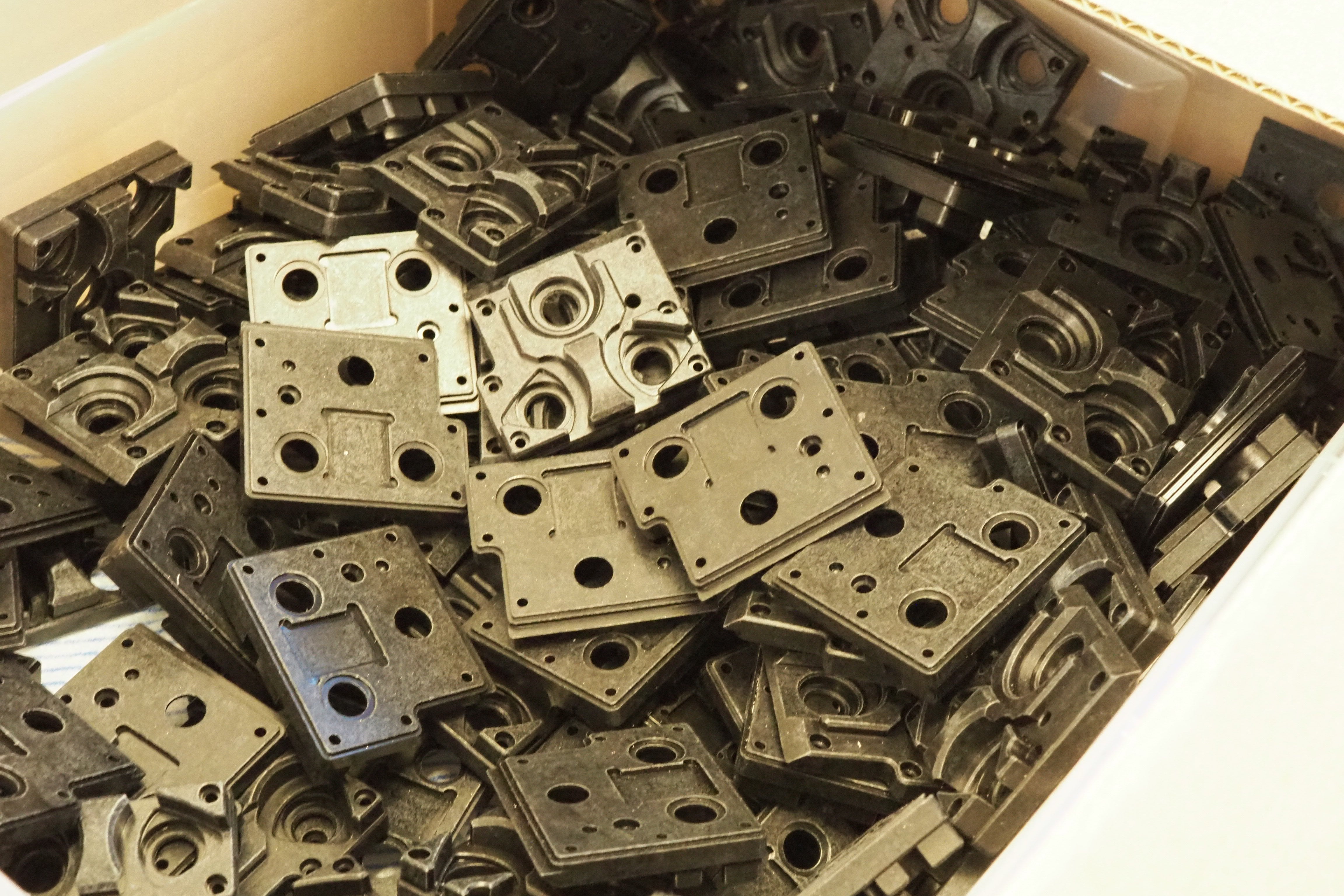
- Handling tools for sensitive components
- Antistatic functional parts
- Electronics production aids
- Prototypes for ESD-sensitive environments
Collection overview
Products in this collection
Products in this collection are shown below.
This collection currently includes ultra-rigid high-temperature grades, structural tough grades, foldable materials, flexible materials and highly elastic ESD-compliant systems.
Selection logic
Decision guide
How to choose the right ESD resin
Select the most suitable grade according to the required mechanical behavior, thermal resistance and the type of electronics-safe workflow.
Decision guide
-
Need maximum heat resistance and rigidity → choose R290D90 ESD, R190D90 ESD or R140D90 ESD
-
Need structural toughness → choose TD90 ESD or TD80 ESD
-
Need foldable or flexible functional parts → choose TFD80 ESD, TFD70 ESD, TFD30 ESD, TFA70 ESD, TFA60 ESD, FA50 ESD, FA40 ESD or FA30 ESD
-
Need very soft or highly elastic parts → choose EA20 ESD or SEA10 ESD
Workflow principle
ESD performance depends on both material selection and process control
Even with ESD-oriented materials, final results depend on printer calibration, exposure strategy, post-curing conditions, part geometry and the specific electronics-handling environment.
These materials are best interpreted as functional engineering tools for static-sensitive workflows where electrostatic control and mechanical suitability must both be validated in the final use case.
ESD material comparison table
Use the table below to compare the currently visible products in this collection by key thermal and mechanical properties.
Mobile: scroll horizontally to view all columns. The first column remains visible while scrolling.
These materials are intended for ESD-sensitive workflows, electronics handling and related manufacturing environments. Final suitability depends on the complete workflow, part geometry, post-processing conditions and the specific electrostatic-control requirements of the application.
These products should be understood as structured ESD-oriented engineering materials organized by mechanical behavior and thermal resistance. Final validation must always consider both the electrostatic function and the mechanical demands of the end-use part.