
Conductive & ESD additives & paints
Conductive and ESD additives and paints organized for engineering control of electrostatic behaviour, conductive response and surface-functional modification.
This collection brings together conductive additives, antistatic ESD modifiers and conductive paints for functional surface engineering in electronics, medical and other sensitive technical environments.
Navigate by: ESD control, conductive additives, conductive paints, electronics workflows or product family.
This collection is structured for functional additives and paints that modify surface or formulation-level electrical behaviour rather than relying only on base-material properties.
It supports conductive design, ESD-safe workflows, electronics-related applications and specialized technical environments requiring controlled electrostatic management.
Quick selection by function
Choose your conductive or ESD route
Use the routes below to access the most relevant product groups in this collection.
Key features & benefits
Conductive and ESD additives & paints
These products are designed to tune electrical behaviour through additive-based or paint-based modification, enabling electrostatic control and conductive functionality in technical workflows.
- Conductive and ESD surface solutions
- Additives and coatings for electrostatic control
- Improved electrical behavior through surface or formulation modification
- Repeatable application in technical environments
- Options spanning clear, black, water-based and bio-oriented conductive systems
Typical applications
These materials are intended for workflows where electrostatic control or conductive behaviour is functionally important.
- ESD-safe surfaces
- Conductive additives for functional resin design
- Conductive paints and coatings for applied surface engineering
- Electronics-related fixtures, housings and medical or healthcare-oriented conductive workflows
- Electrostatic control in sensitive technical environments
Products in this collection
Products in this collection are shown below.
This portfolio includes conductive nanoparticle additives, conductive nanowire-based additives, antistatic ESD additives and conductive paints for professional workflows where electrical surface behaviour must be engineered in a controlled and application-specific way.
Selection logic
How to choose the right conductive or ESD solution
Select the most suitable product according to whether the target function is antistatic ESD control, conductive formulation design or conductive surface coating.
- Need antistatic ESD behaviour → review ESDA additives such as clear or black ESD options
- Need conductive formulation design → review conductive additives such as graphene, carbon nanotube or silver nanowire systems
- Need conductive surface coating → review conductive paint options
- Need water-based conductive route → prioritize water-based paint systems where suitable
- Need biocompatible-oriented conductive route → review bio-positioned conductive additive or paint families
Electrical performance depends on implementation
Conductive or ESD behaviour depends on additive loading, dispersion quality, surface preparation, application method, coating thickness, drying or curing conditions, substrate compatibility and the final operating environment.
Successful implementation requires validation under the intended technical conditions, especially where ESD control, conductivity, clarity or regulated-use positioning is important.
Conductive & ESD product comparison table
Use the table below to compare the visible products in this collection by product type, electrical function, material platform and typical positioning.
| Product | Type | Function | Technology / base | Key positioning | Medium | Typical use |
|---|---|---|---|---|---|---|
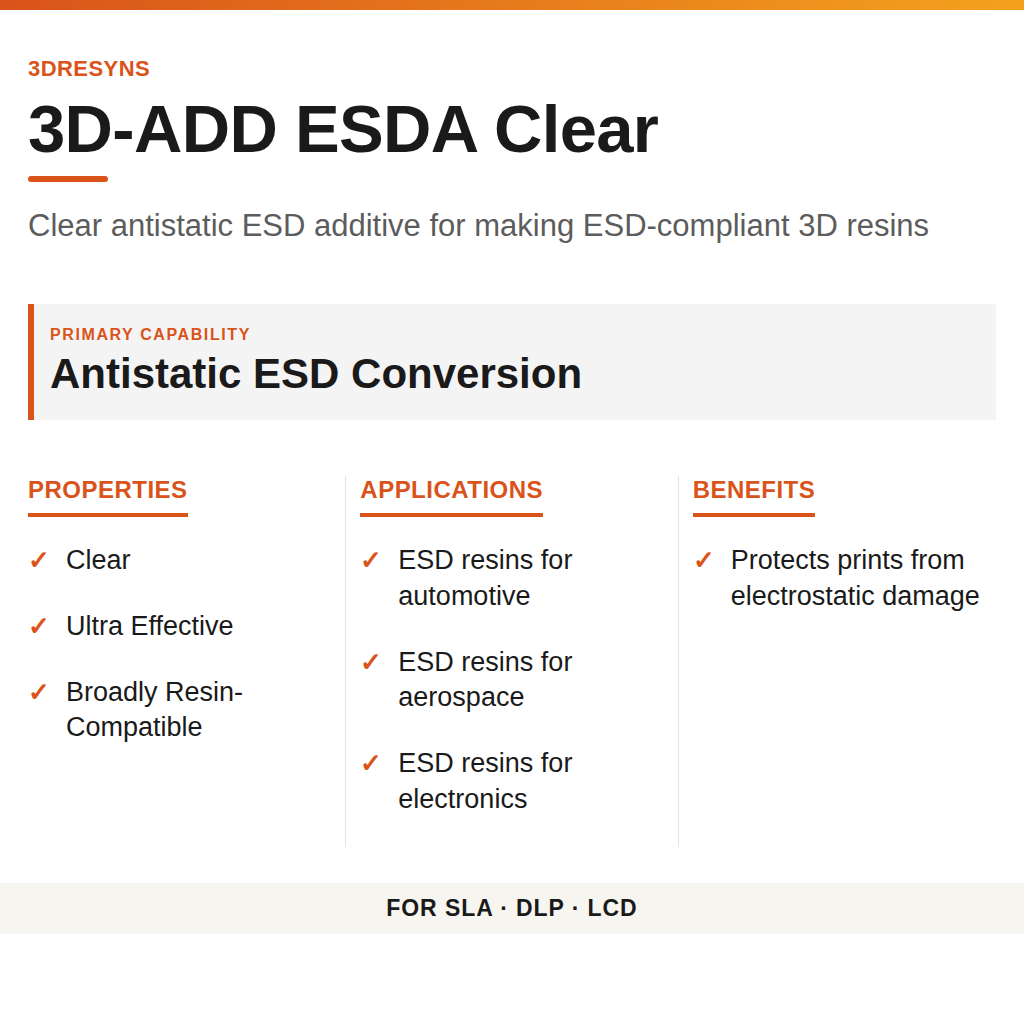
| 3D-ADD ESDA Clear | Additive | ESD antistatic | Clear antistatic modifier | Clear ESD control | Formulation additive | Transparent or low-color systems requiring antistatic behaviour |
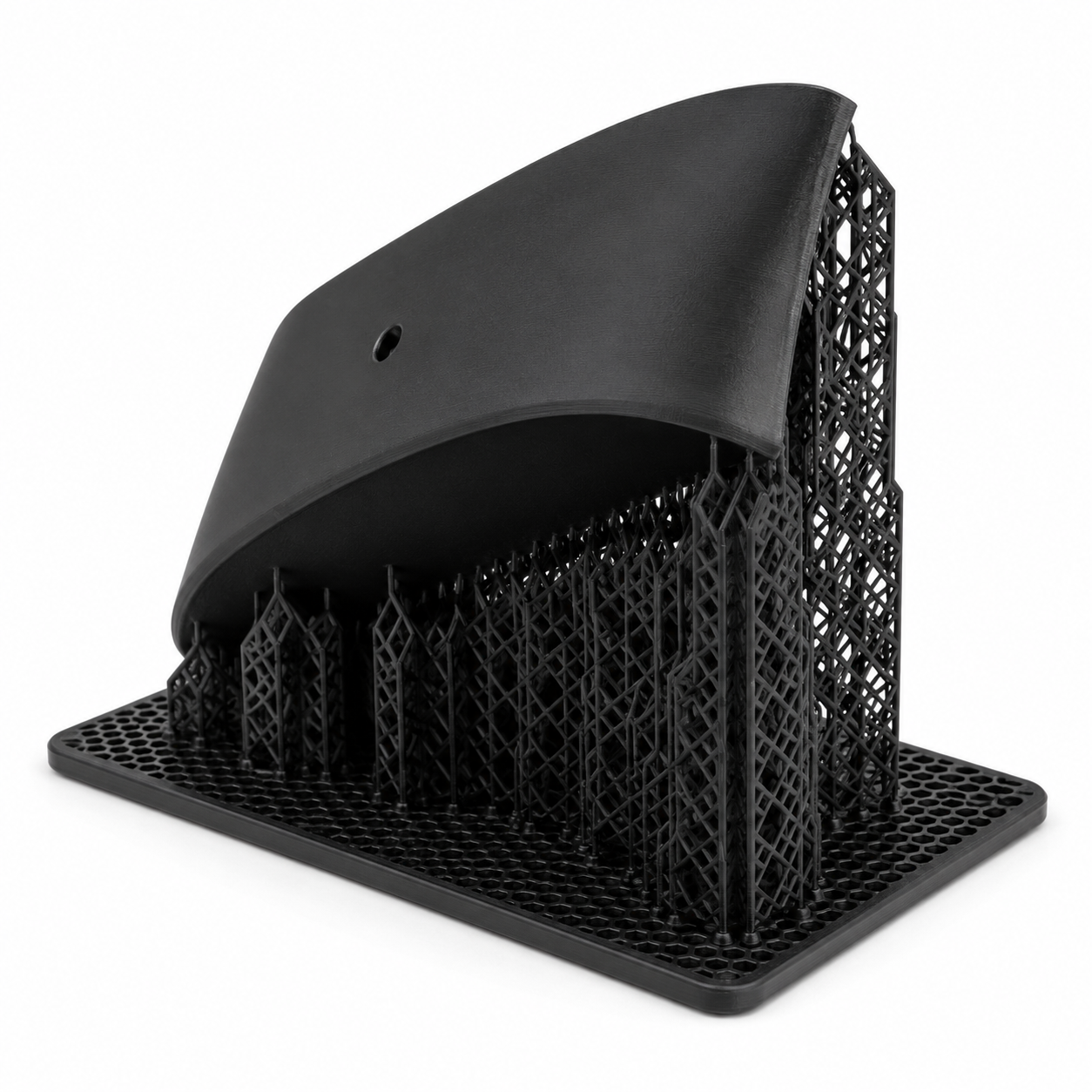
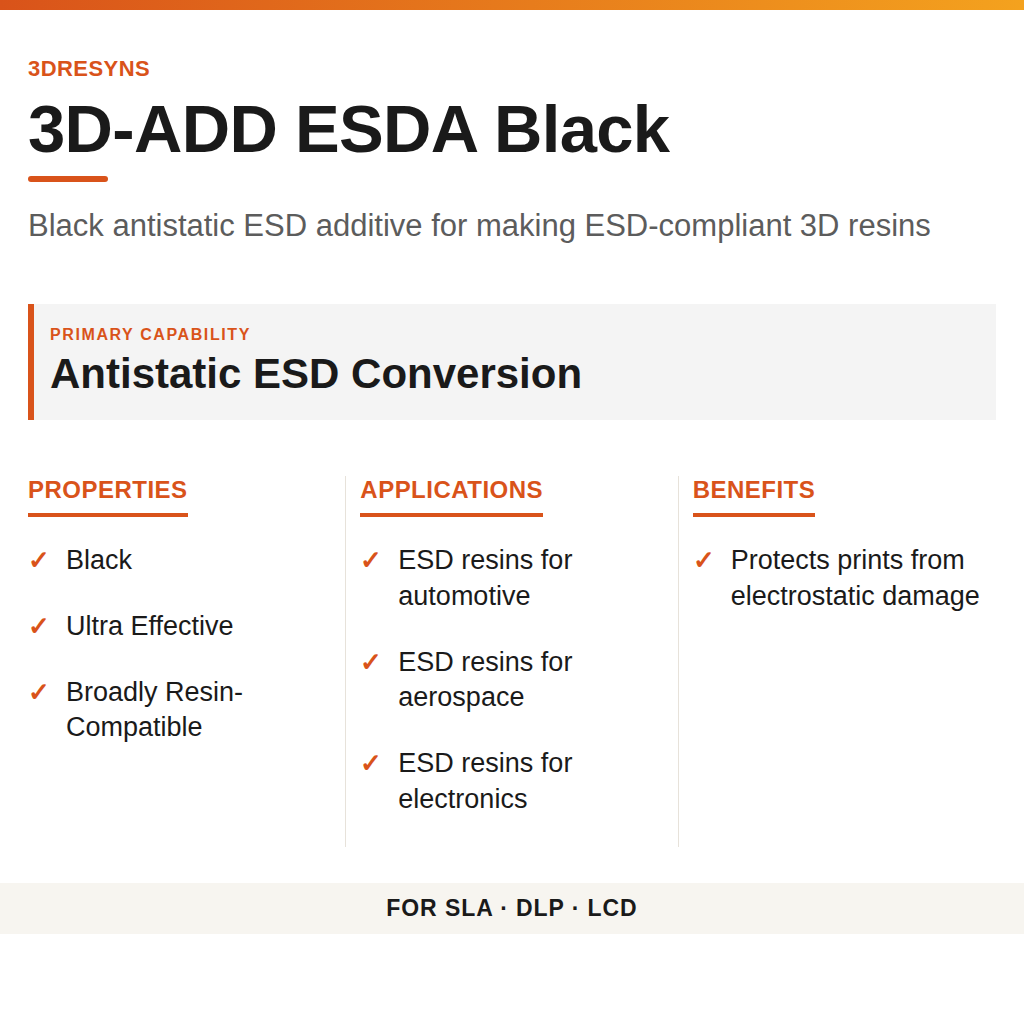
| 3D-ADD ESDA Black | Additive | ESD antistatic | Black antistatic modifier | Colored ESD control | Formulation additive | Black ESD-safe parts and technical formulations |
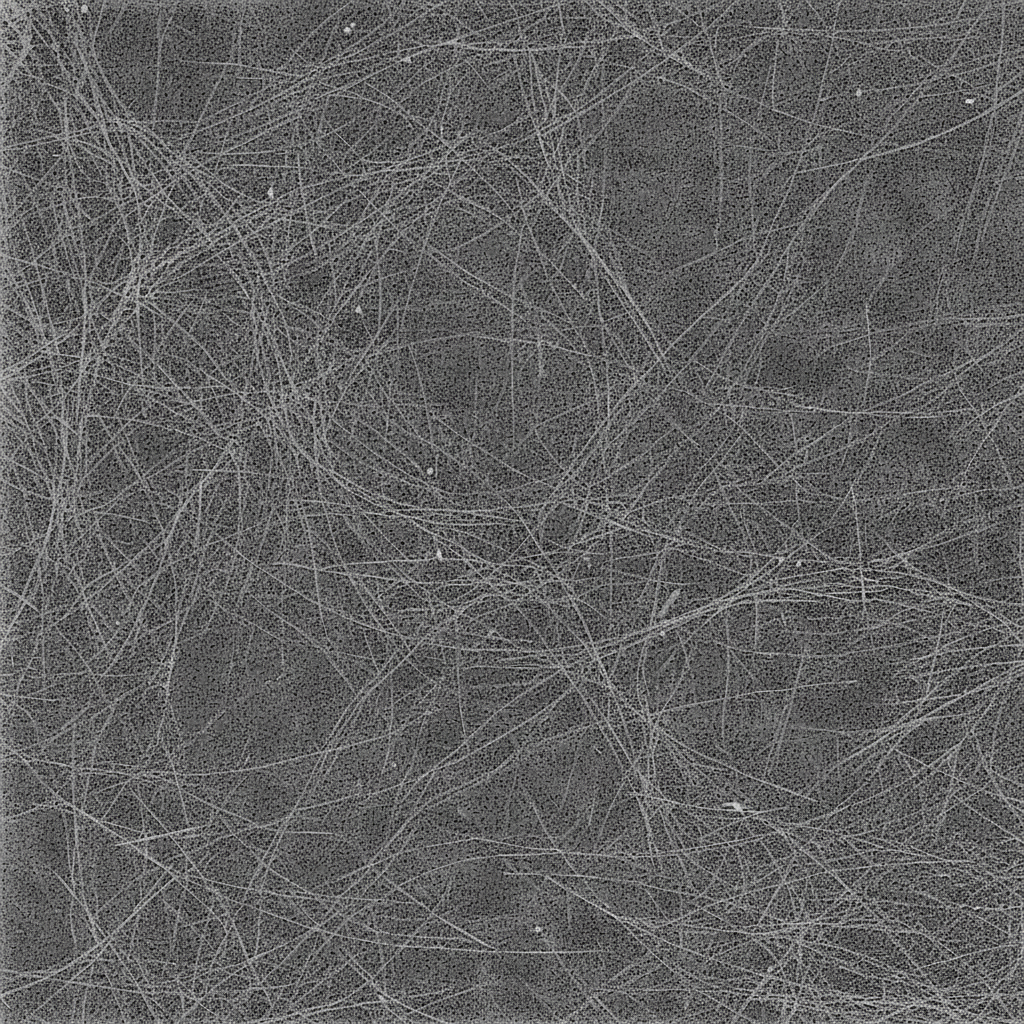
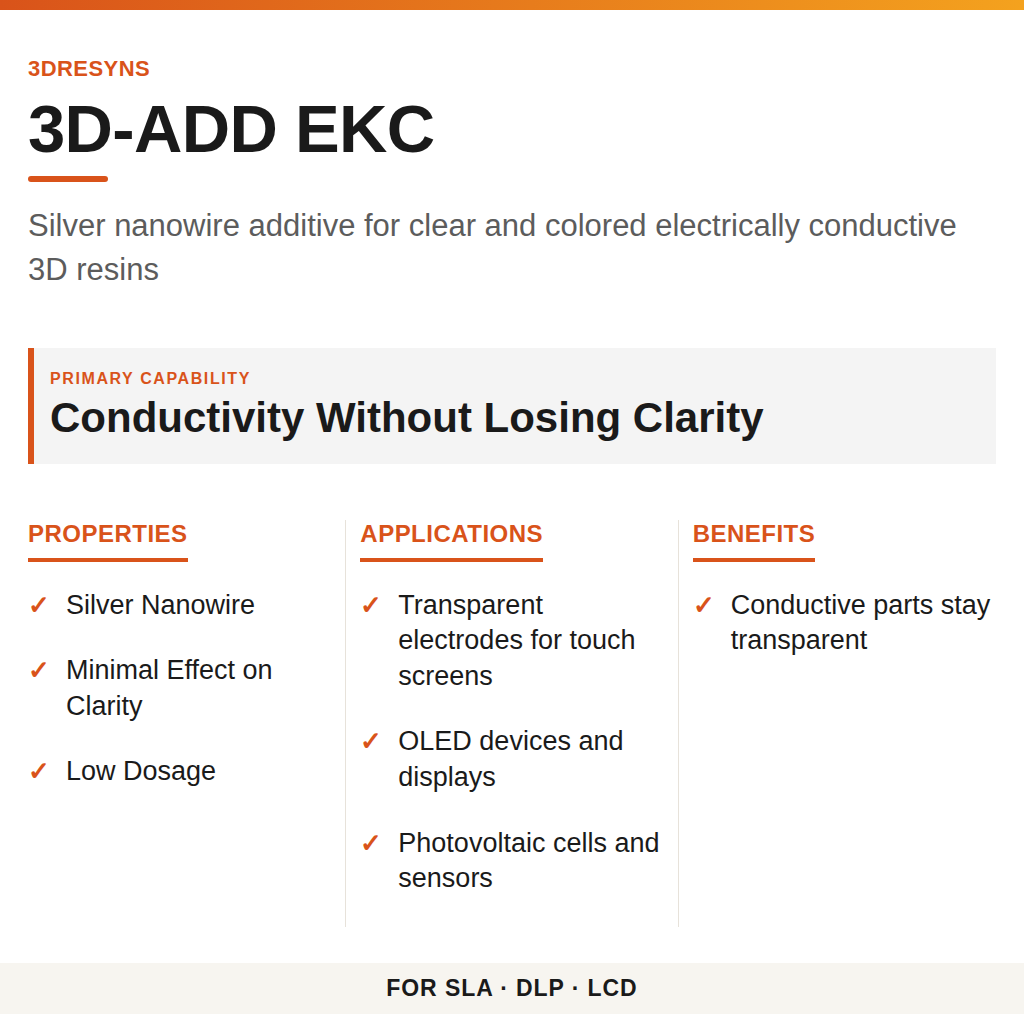
| 3D-ADD EKC | Additive | Conductive | Silver nanowire | Clear or colored conductive design | Formulation additive | Designing conductive resins where higher conductivity and optical flexibility are relevant |
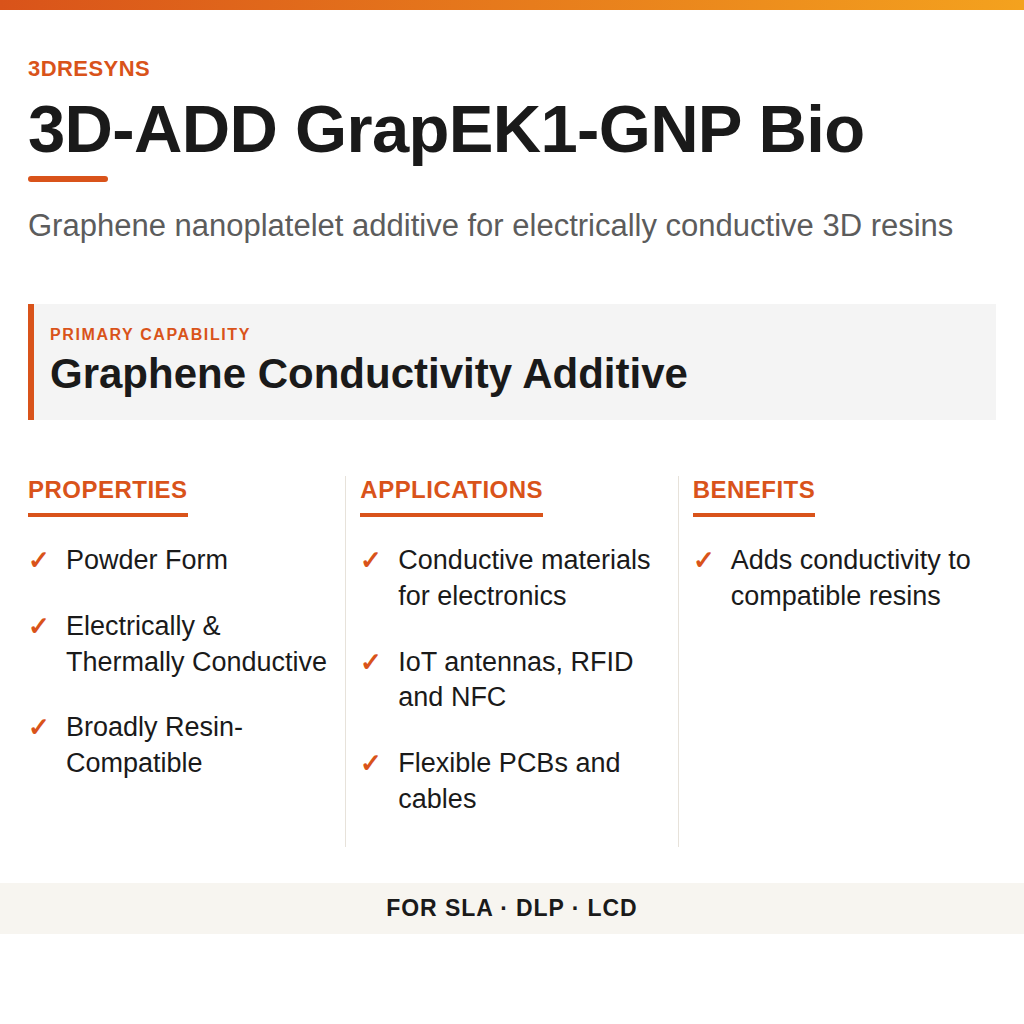
| 3D-ADD GrapEK1-GNP Bio | Additive | Conductive | Graphene nanoplatelets | Biocompatible conductive route | Formulation additive | Conductive formulations with bio-oriented positioning |
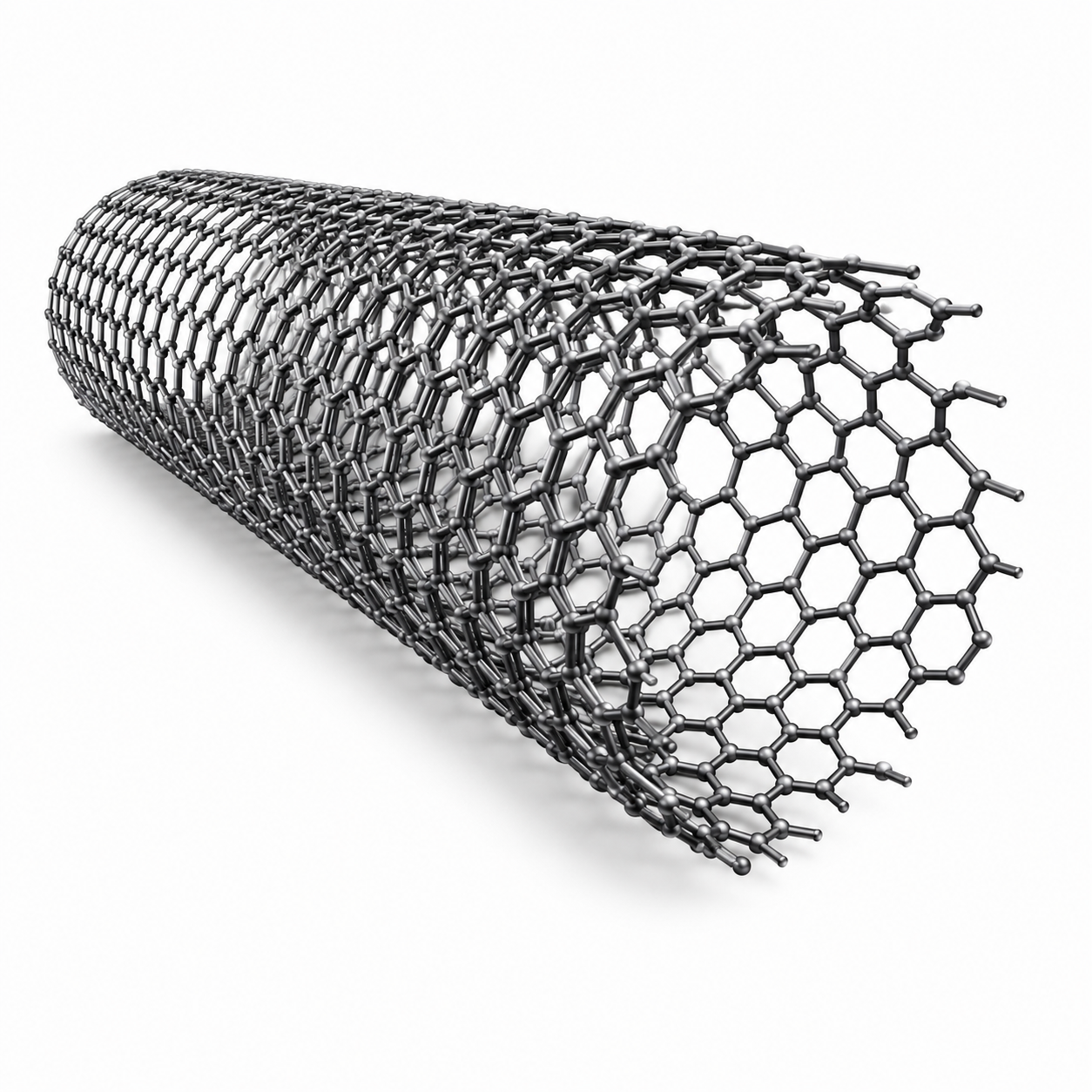
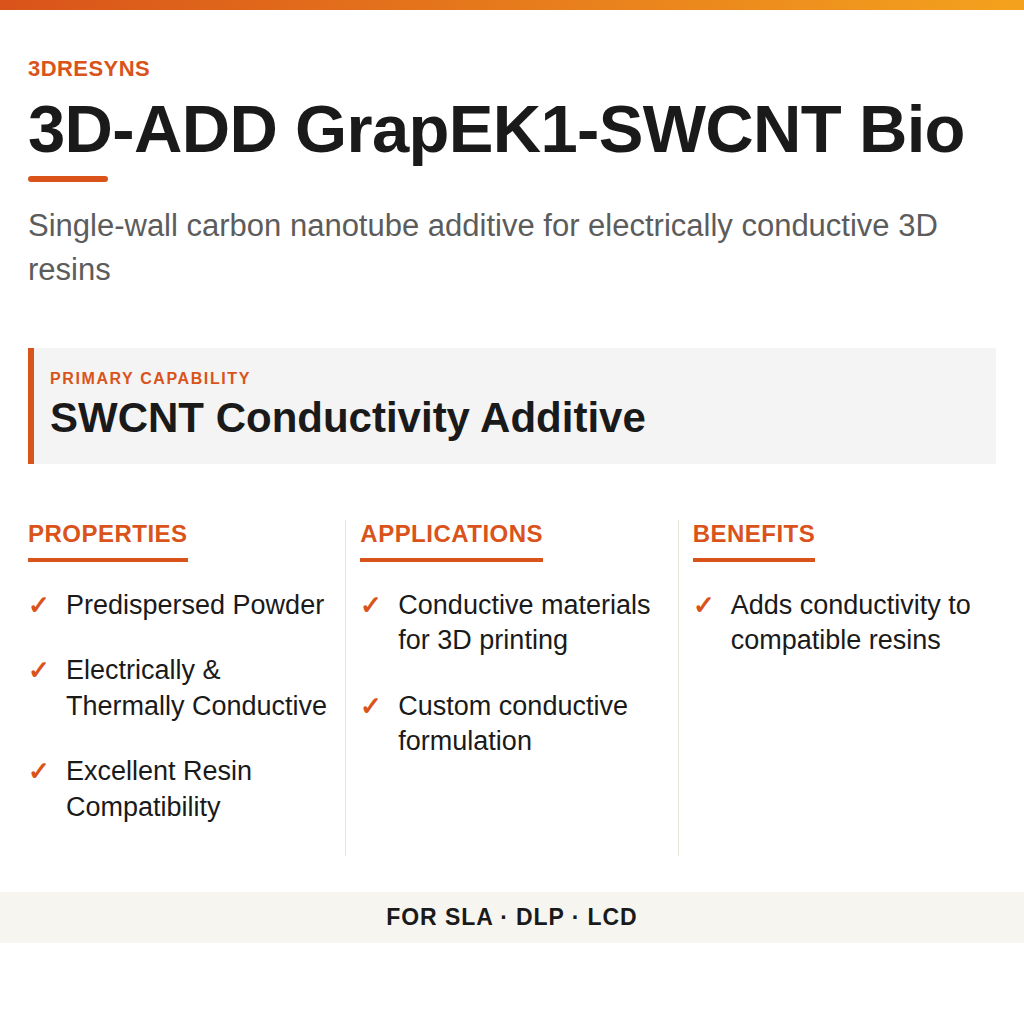
| 3D-ADD GrapEK1-SWCNT Bio | Additive | Conductive | Single-wall carbon nanotubes | Biocompatible conductive route | Formulation additive | High-performance conductive formulations using SWCNT technology |
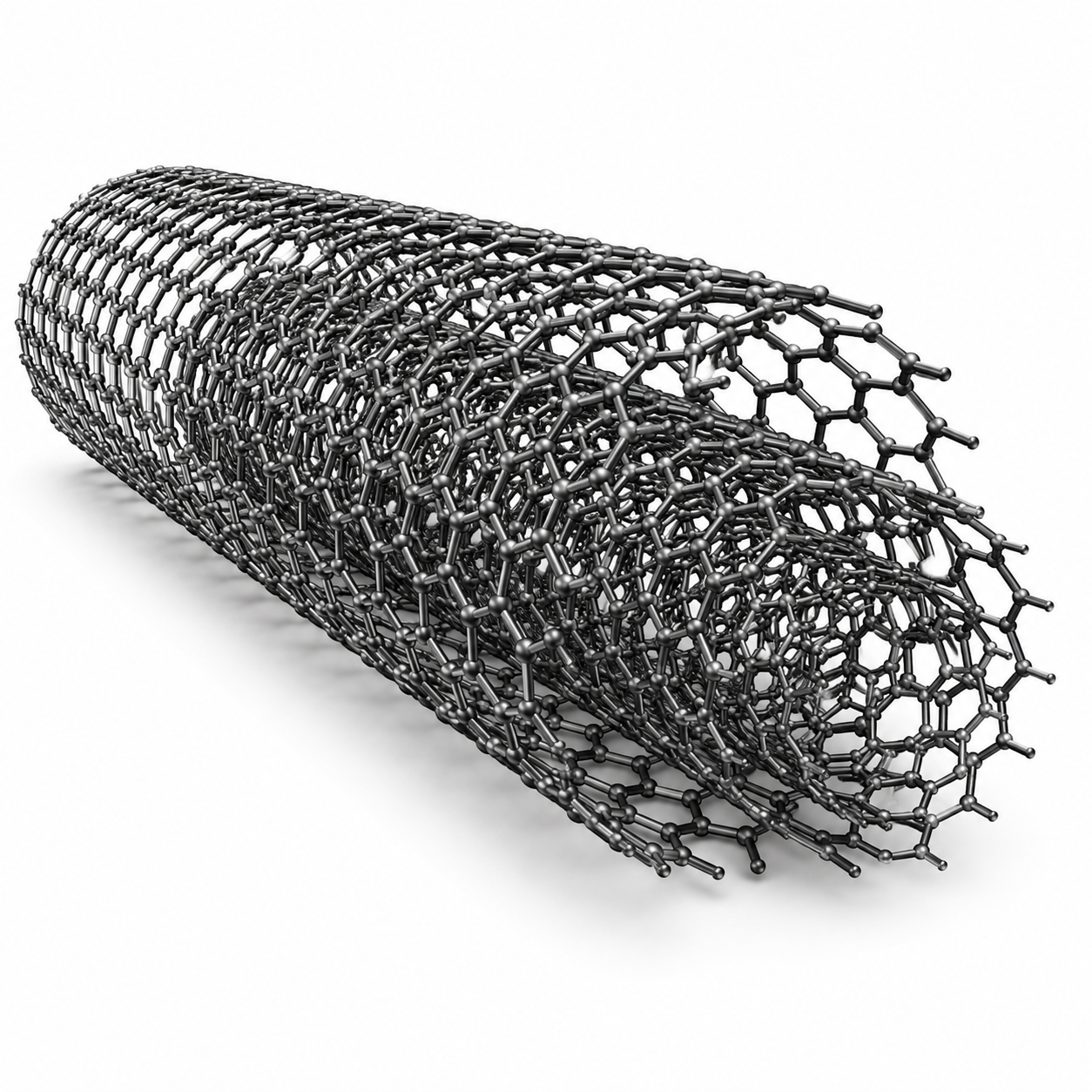
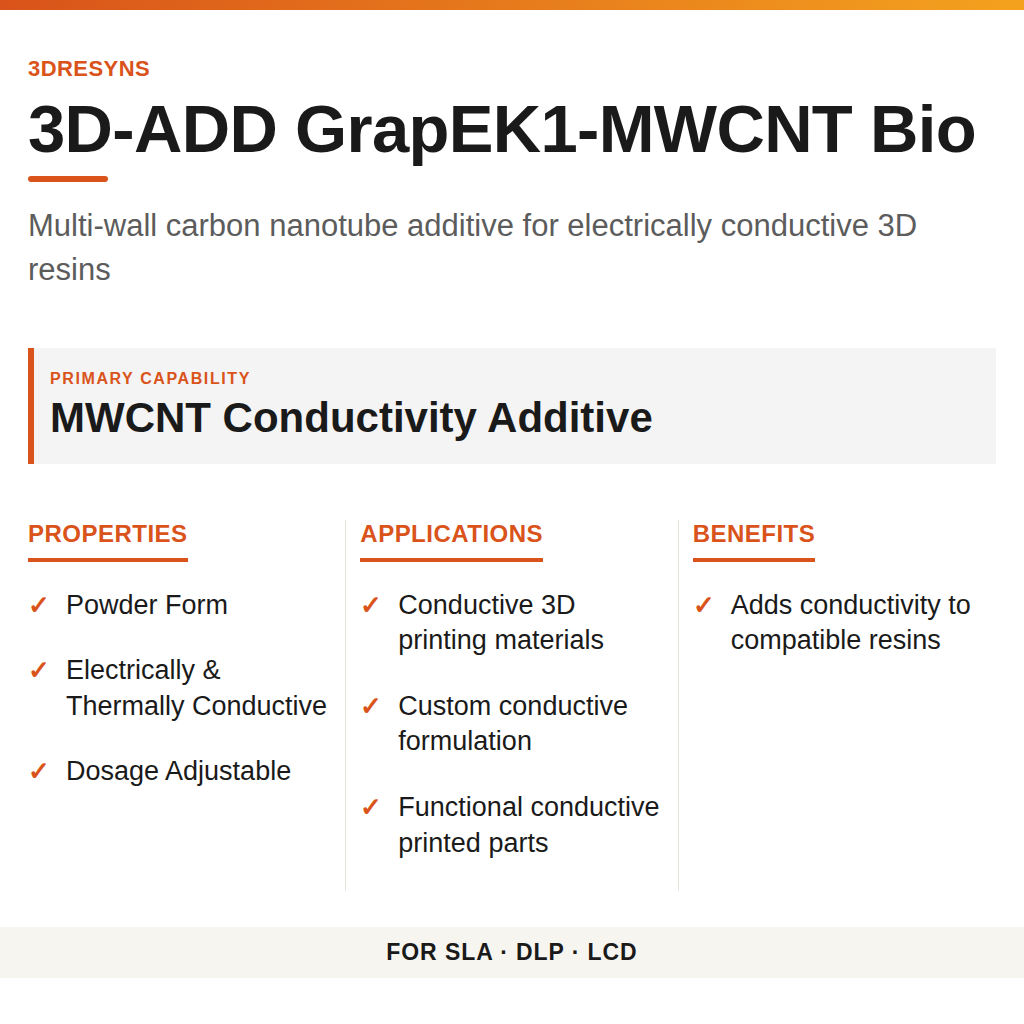
| 3D-ADD GrapEK1-MWCNT Bio | Additive | Conductive | Multi-wall carbon nanotubes | Biocompatible conductive route | Formulation additive | Conductive resin design using MWCNT-based additive strategy |
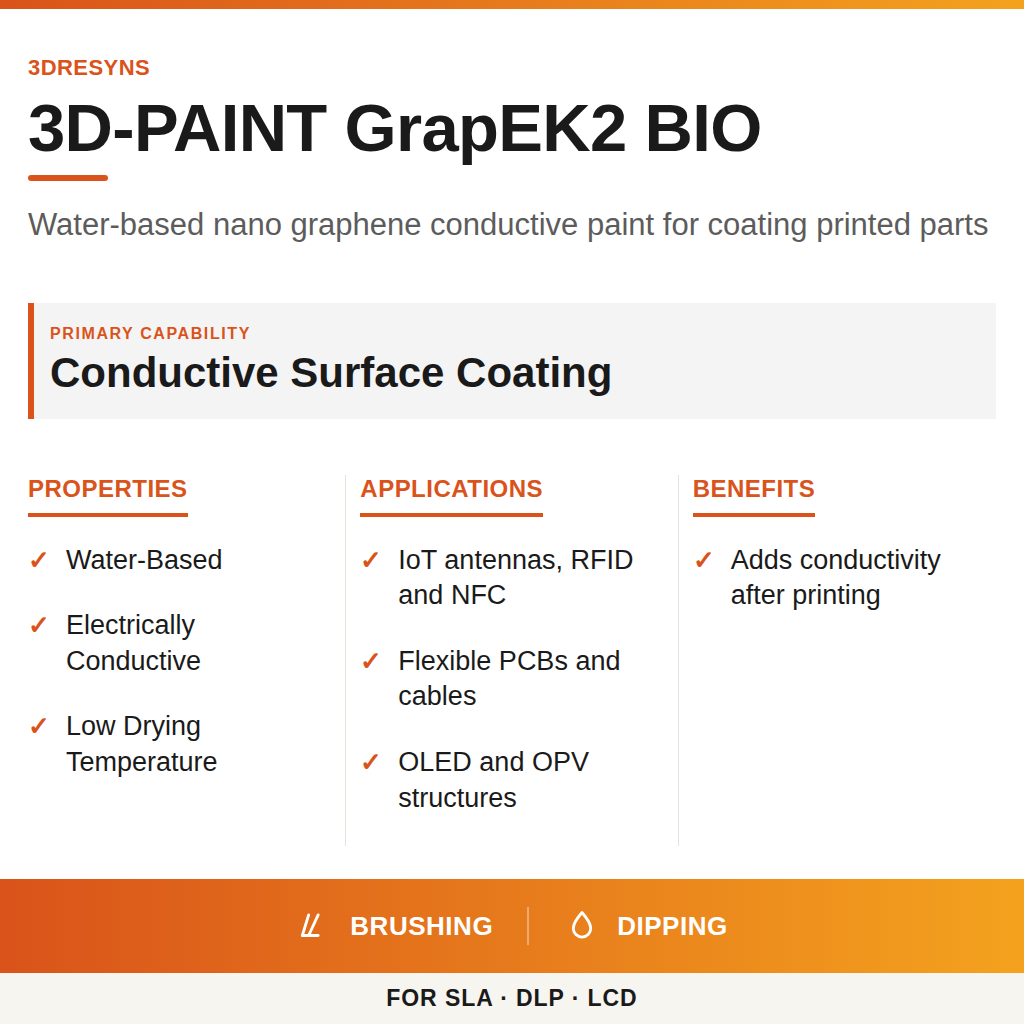
| 3D-PAINT GrapEK2 Bio | Paint | Conductive | Nano graphene | Biocompatible, water-based conductive paint | Water-based coating | Surface conductivity through applied paint layer in sensitive technical or bio-oriented workflows |
Mobile: scroll horizontally to view all columns. The first column remains visible while scrolling.
Engineering note
Conductive and ESD performance should be interpreted as application-dependent outcomes. Final behaviour must be confirmed on the actual substrate, printed part, formulation or coating system used in production.
Interpretation principle
These products should be understood as functional additives and paints for professional surface or formulation engineering workflows. Final suitability depends on the targeted electrical function, application route, environment and process control.
Electrical material routes
Use these related 3Dresyns pages to move between adjacent material and process families.
Sort by
From prototyping to industrial production, performance depends on materials, calibration and process control