Processing auxiliaries organized for cleaning, washing, smoothing, post-curing immersion, resin-volume reduction, purification, detoxification and specialty post-processing of photopolymer 3D prints.
This collection is not a generic solvent collection. It includes real workflow-specific products such as non-whitening cleaners, hydrophobic cleaners, smoothing fluids, immersion fluids for water-soluble sacrificial prints, filling fluids, cure-testing and purification kits, detoxification systems, bleaching and etching solutions, antimicrobial additives and abrasive or polishing pastes.
Navigate by: cleaning function, surface-finish objective, sacrificial-print workflow, purification strategy, antimicrobial route or finishing paste type.
These products are workflow auxiliaries for cleaning, purification, immersion, finishing and post-processing. They should be selected according to resin chemistry, geometry and the actual post-processing objective.
Post-processing tools with very different technical roles
This collection contains much more than wash fluids. Some products are cleaners, some are surface-smoothing fluids, some are immersion fluids for special sacrificial routes, some are purification and detoxification systems, and others are polishing or antimicrobial auxiliaries.
Selection should therefore start from the exact stage of the workflow: washing, smoothing, purification, antimicrobial functionality, polishing or special sacrificial post-processing.
Quick selection by processing objective
Processing navigation
Choose your post-processing route
Select the product family according to the exact operation you need to perform on the printed part.
Typical routes
Key features & benefits
Collection logic
Cleaning, purification, smoothing and finishing are different functions
This collection should not be reduced to “washing products.” The visible product list shows distinct technical functions: preventing whitening, hydrophobic washing, smoothing surfaces, post-curing sacrificial prints in immersion media, reducing resin usage in top-down printers, chemically cleansing parts, bleaching and etching, adding antimicrobial behavior and finishing parts through abrasive or polishing pastes.
Main capabilities across the collection
- Removal of uncured resin through different cleaning strategies
- Reduction of whitening and preservation of gloss or transparency
- Surface smoothing of printed parts
- Special post-processing support for water-soluble sacrificial prints
- Purification and detoxification routes beyond basic washing
- Antimicrobial and finishing support through additives and pastes
Collection overview
Products in this collection
Products in this collection are shown below.
This collection currently includes: UNW2 Bio, NW1 Bio, Cleaning Fluid Bio, WS1, WS2 Bio, Filling Fluid FF1 Bio, Cure Tester and Purification Kit, Purification Kit, Clear Detoxifier and Purification Kit, Piranha Bio, CuVK2, CuVK2C, MGI1, MGI-UHC1, Cleaning Paste CA1 Bio, Cleaning Paste CP1 Bio and WS1 Bio.
Included products and technical roles
Route 01
Cleaning and washing fluids
This route includes products whose primary job is washing or cleaning the printed part, but each one targets a different result.
Included products
-
Cleaning Fluid UNW2 Bio — ultra non-whitening cleaner with medium viscosity for ultra gloss and transparency
-
Cleaning Fluid NW1 Bio — hydrophobic cleaner for washing 3D prints
-
Cleaning Fluid Bio — general washing and cleaning fluid
-
Cleaning Fluid WS1 Bio — low-viscosity cleaner for water-soluble and swellable 3D prints
What each one really does
- UNW2 Bio is not just a cleaner; it is specifically positioned against whitening and for preserving gloss and transparency
- NW1 Bio is a hydrophobic cleaning route, indicating a different washing logic from general-purpose fluids
- Cleaning Fluid Bio is the broader general cleaning route
- WS1 Bio is the low-viscosity route tailored to water-soluble and swellable print families
Best for
- Gloss and transparency preservation
- Hydrophobic washing workflows
- General resin removal
- Water-soluble and swellable print systems
How to reuse dirty Filling Fluid? Expose the Filling Fluid in a container to sunlight, or with or without stirring to light in the light box or curing machine. After several minutes the uncured resin will cure as small particles. Then, use a paint filter to separate and remove the cured resin from the recycled filling fluid, which can be used again.
Route 02
Smoothing fluids and sacrificial-print immersion routes
This route goes beyond simple cleaning and focuses on surface conditioning or post-curing support for special print families.
Included products
-
Cleaning Fluid WS1 — cleaning and surface smoothing fluid for water-soluble and non-water-soluble prints
-
Cleaning Fluid WS2 Bio — hydrophobic immersion fluid for post-curing water-soluble sacrificial prints
-
Filling Fluid FF1 Bio — biocompatible filling fluid for reducing resin usage in top-down printers
What each one really does
- WS1 is not only a wash fluid; it is explicitly a surface-smoothing route
- WS2 Bio is an immersion medium designed around the specific workflow of post-curing water-soluble sacrificial prints
- FF1 Bio is not a cleaner at all; it is a workflow auxiliary for reducing resin usage in top-down systems
Best for
- Surface smoothing
- Water-soluble sacrificial post-curing workflows
- Top-down printer resin-volume optimization
Route 03
Purification, detoxification, bleaching and etching
This route is for chemical post-processing beyond ordinary washing, especially when surface conversion, purification or stronger chemical treatment matters.
Included products
-
Cure Tester and Purification Kit — supports qualitative assessment of surface conversion and chemical cleansing
-
Purification Kit — supports chemical cleansing after printing and light post-curing
-
Clear Detoxifier and Purification Kit — supports cleansing and chemical treatment of printed parts
-
Piranha Bio solution — for full cleansing, bleaching and etching of 3D prints
What each one really does
- The Cure Tester and Purification Kit adds a testing dimension by linking purification with surface-conversion assessment
- The Purification Kit is the more focused chemical-cleansing route
- The Clear Detoxifier and Purification Kit adds a detoxification-oriented layer to purification
- Piranha Bio is the strongest surface-treatment route here because it combines cleansing, bleaching and etching
Best for
- Chemical cleansing workflows
- Surface-conversion assessment
- Detoxification-oriented treatment
- Bleaching and etching steps
Route 04
Antimicrobial auxiliaries and finishing pastes
This route groups products that introduce antimicrobial behavior or provide final abrasive/polishing finishing rather than only cleaning.
Included products
-
3D-ADD CuVK2 — copper antimicrobial additive
-
3D-ADD CuVK2C — concentrated copper antimicrobial additive
-
3D-ADD MGI1 — microorganism growth inhibitor additive
-
3D-ADD MGI-UHC1 — microorganism growth inhibitor additive
-
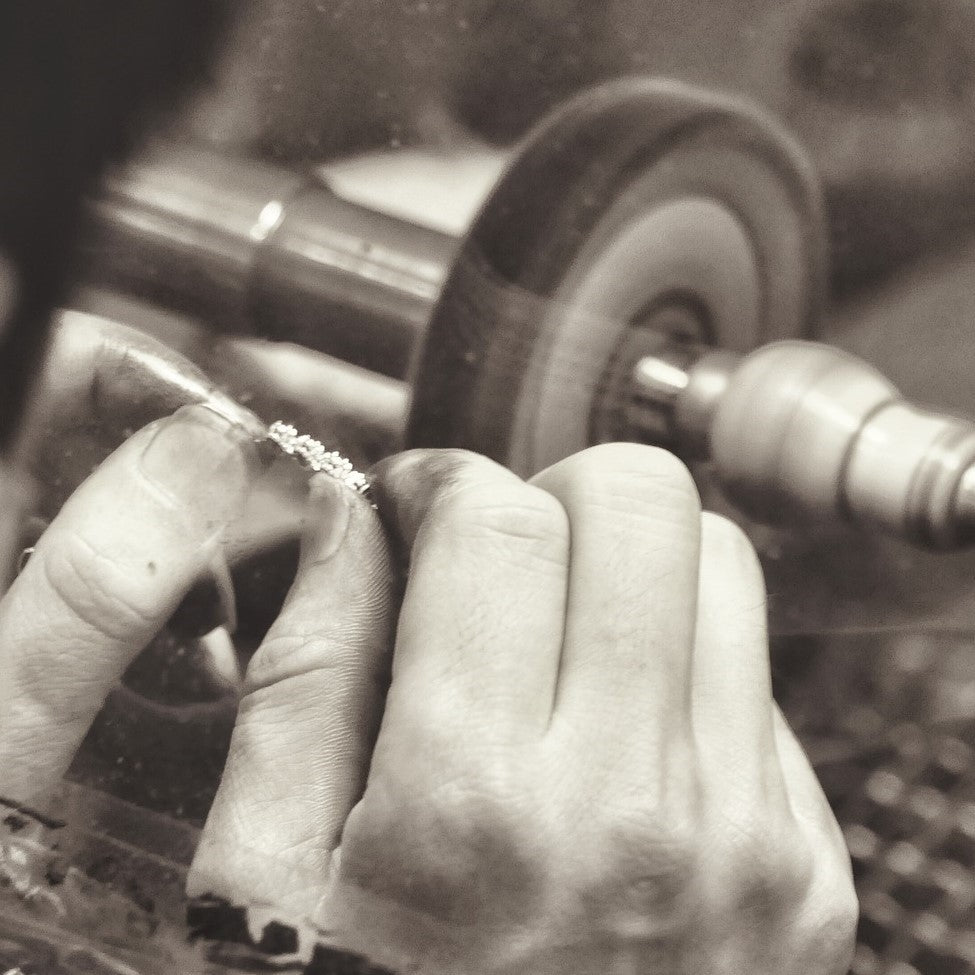
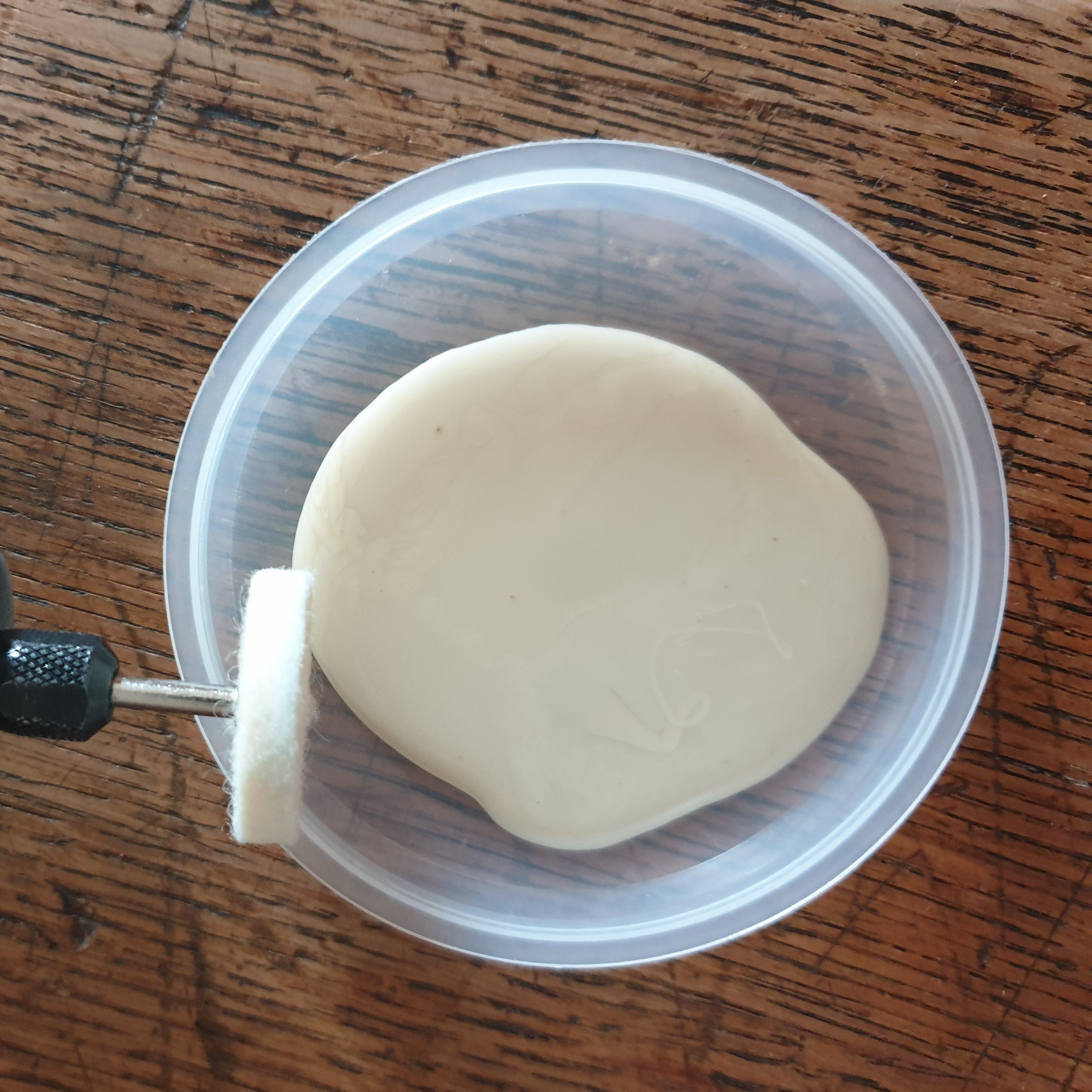
Cleaning Paste CA1 Bio — cleaning and abrasive paste
-
Cleaning Paste CP1 Bio — cleaning and polishing paste
What each one really does
- CuVK2 and CuVK2C are antimicrobial routes, with the concentrated version positioned for stronger or more efficient loading strategies
- MGI1 and MGI-UHC1 are growth-inhibitor routes rather than copper-based antimicrobial systems
- CA1 Bio is the abrasive finishing route
- CP1 Bio is the polishing route for final surface finishing
Best for
- Antimicrobial workflows
- Microorganism-growth control
- Abrasive surface refinement
- Polishing and final finishing
Selection logic
Decision guide
How to choose the right processing auxiliary
Selection should start from the exact operation to perform on the printed part, not from a broad “cleaning” label.
Decision guide
-
Need simple washing → choose among the cleaning fluid routes according to whitening, hydrophobicity or resin family
-
Need smoothing or sacrificial-print post-curing → use WS1 or WS2 Bio routes
-
Need chemical cleansing or detoxification → use the purification and detoxifier kits
-
Need bleaching, etching or stronger chemical treatment → use Piranha Bio
-
Need antimicrobial or finishing support → use copper, inhibitor or paste-based routes
Engineering rule
Washing, purification, smoothing and finishing are separate process stages
The visible product portfolio makes it clear that post-processing is not one single step. A workflow may require washing, then purification, then polishing, or special immersion/post-curing media depending on the part and material family.
The right selection logic is therefore: cleaning stage first, then surface-conditioning stage, then final functional finishing stage.
Final results depend on resin chemistry, cleaning time, solvent compatibility, agitation method, immersion conditions, surface treatment intensity and subsequent post-curing process.
These products should be understood as a complete post-processing toolbox rather than as interchangeable wash consumables. Final suitability must always be validated inside the full manufacturing workflow.