
Specialty 3D Printing Resins
Specialty 3D resins organized for niche applications, targeted functional behavior and non-standard performance requirements in SLA, DLP and LCD/MSLA workflows.
This collection supports comparison of specialty photopolymer grades for advanced prototyping, application-specific manufacturing constraints and technical development where standard resin families are not sufficient.
Navigate by: target application, specialty functional behavior, process-driven requirement, surface or optical characteristic, or niche workflow priority.
This collection is structured for users requiring specialty photopolymers with differentiated mechanical, thermal, optical, surface or process-related behavior beyond conventional resin families.
It supports advanced prototyping, indirect manufacturing tooling, high precision parts and R&D workflows where application-specific constraints determine the appropriate material route.
Quick selection by workflow priority
Choose your specialty resin route
Use the routes below to access the most relevant resin family in this collection.
Key features & benefits
Specialty photopolymers for niche applications
These materials are designed for specialty workflows where targeted functional behavior and differentiated performance are required beyond standard resin families.
- Application-driven specialty photopolymers
- SLA, DLP and LCD/MSLA compatible
- Targeted functional behavior depending on grade
- Specific mechanical profiles, thermal performance, optical characteristics and surface properties
- Support for process-driven requirements, high resolution printing and reliable repeatability
- Differentiated performance for niche applications beyond standard resin families
Typical uses
Where these specialty resins make sense
These resins are relevant for advanced technical workflows where standard material families do not fully address the functional, dimensional or process-related demands of the application.
- Advanced prototyping and non-standard functional parts
- Niche industrial workflows and application-specific manufacturing constraints
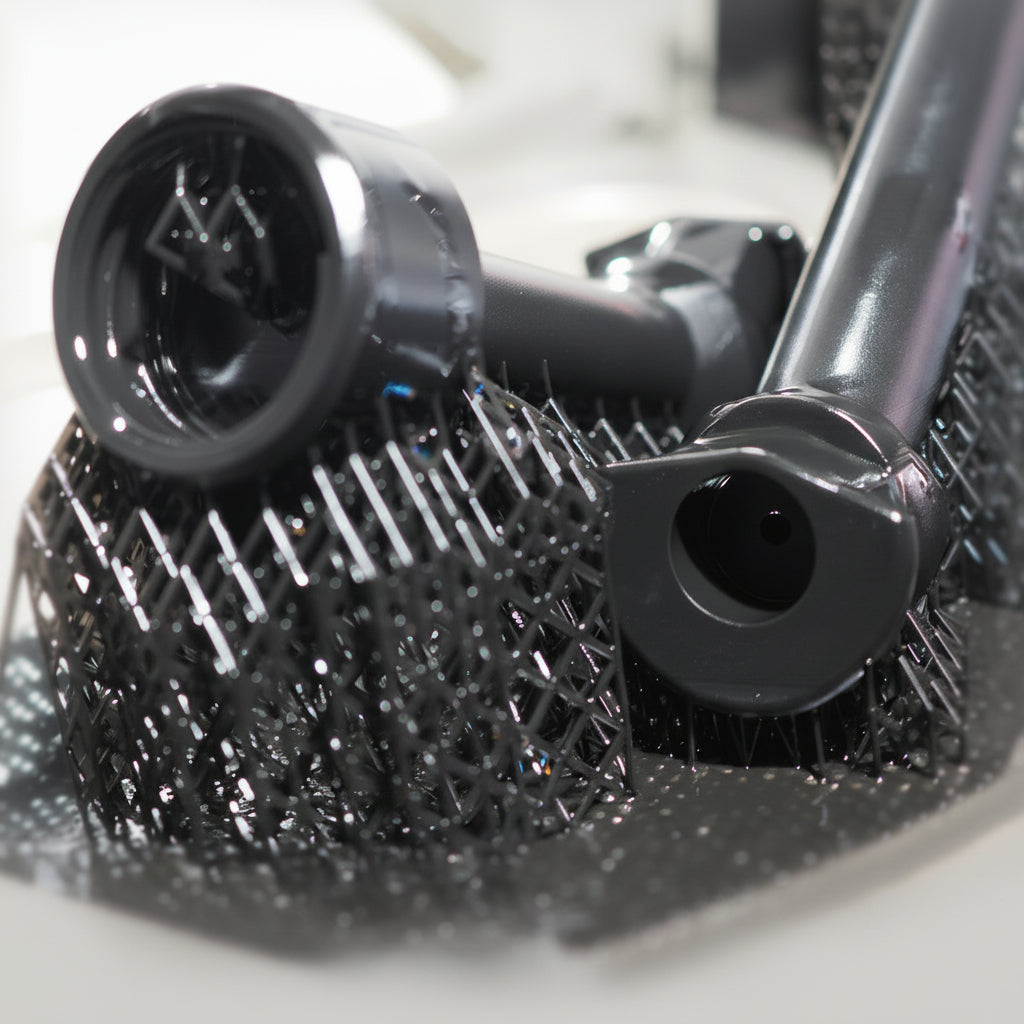
- High precision components and indirect manufacturing tooling
- R&D and technical development where standard resin families are not sufficient
- Specialty functional workflows requiring differentiated performance
Products in this collection
Products in this collection are shown below.
This collection currently includes specialty material routes positioned for niche application requirements, targeted performance behavior and technical workflows that fall outside standard general-purpose or broad-family resin selection.
Specialty routes and active products
Application-specific performance
This route groups specialty grades chosen mainly because the application itself is unusual or functionally constrained, rather than because the user simply wants a stronger general-purpose resin.
- These grades solve non-standard end-use problems rather than broad prototyping needs
- The collection includes functional engineering routes, flame-resistance logic and magnetic-holder behavior
- Selection should start from the exact specialty function, not from generic strength expectations
Thermal, optical or surface-driven need
This route is structured for users whose priority is high temperature resistance, clear optical behavior, chemical resistance or differentiated surface / service response.
- Some specialty grades are chosen mainly by thermal constraint, optical clarity or chemical exposure
- The collection separates ultra-hard chemical resistance from ultra-tough chemical resistance
- Clear and tough behavior is treated here as a specialty route, not as a default property
Indirect tooling and precision workflows
This route is for users working under tighter process windows, higher dimensional discipline or specialized manufacturing constraints.
- This route is less about marketing category and more about process compatibility
- High precision, indirect tooling or constrained-process use cases usually need closer control of thermal and dimensional behavior
- Monomer-free and clear specialty grades may also matter when the process constraint is as important as the part function
R&D and non-standard development
This route groups fast, experimental or technically differentiated materials that are especially relevant when a standard resin family no longer covers the development need.
- Specialty development often starts where standard resin families stop being efficient
- Fast-curing monomer-free routes belong here because process speed itself can be the specialty requirement
- Unusual performance targets such as flame resistance or niche engineering behavior are best evaluated as technical development tools, not broad default materials
Selection logic
How to choose the right specialty resin
Select the most suitable grade according to whether your priority is application-specific behavior, unique process needs, differentiated surface or optical properties, or niche functional performance.
- Need a resin for a non-standard application route → choose the grade positioned for the target specialty use
- Need differentiated mechanical, thermal, optical or surface behavior → select the grade aligned with the dominant functional requirement
- Need precision, tooling or constrained-process compatibility → choose the grade optimized for that workflow constraint
- Need an R&D material beyond standard resin families → compare the specialty platform by the specific technical requirement that standard grades do not cover
Specialty performance depends on matching the grade to the exact use case
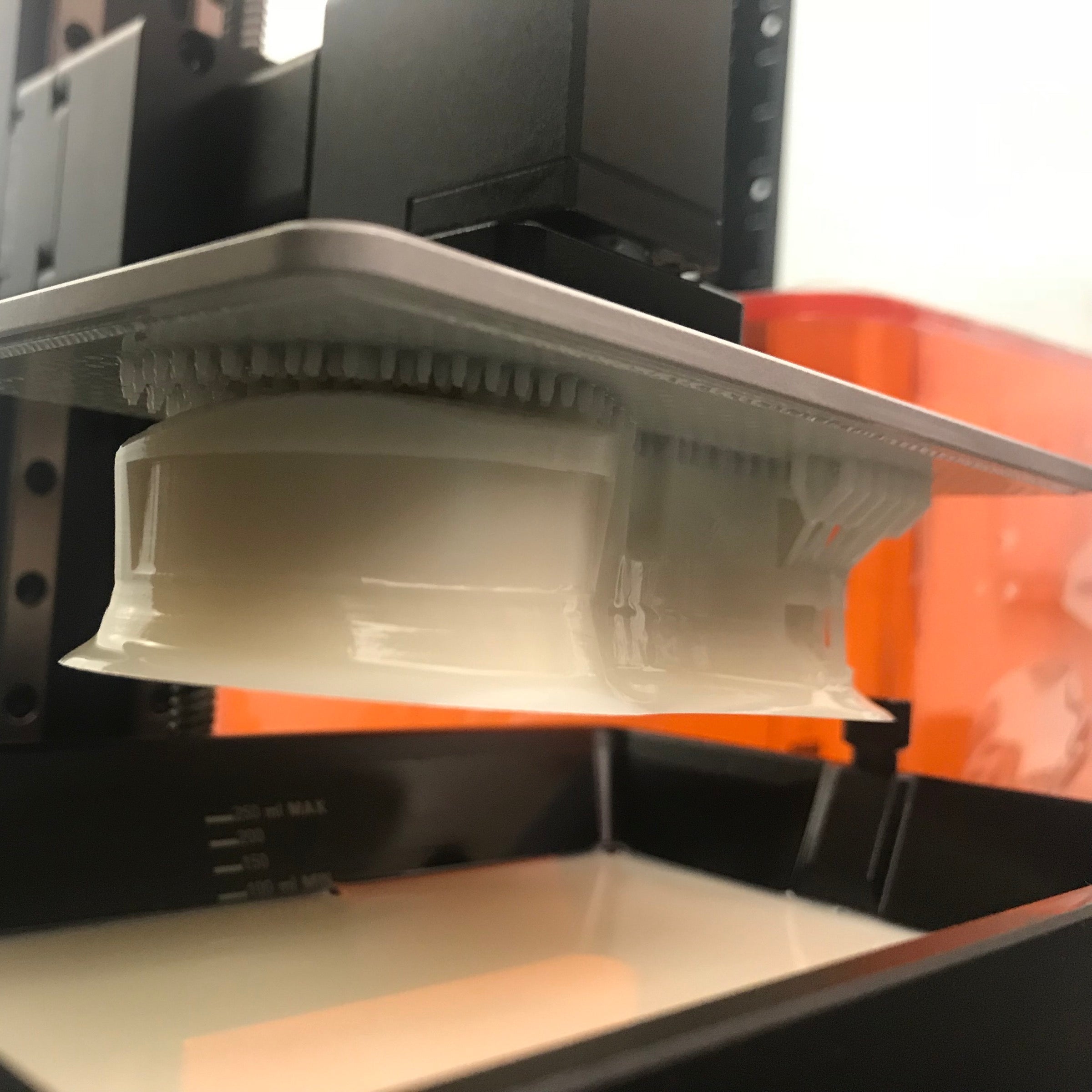
Even within specialty workflows, final results depend on printer calibration, exposure strategy, washing conditions, post-curing control and alignment between the resin design intent and the intended part function.
These materials are best interpreted as targeted technical tools for niche applications where process constraints and functional requirements must both be considered from the start.
Engineering note
These materials are intended for specialty application workflows, advanced prototyping and technical development. Final part quality still depends on calibration, processing conditions and post-curing control, even when the resin is specifically designed for a niche use case.
Interpretation principle
These products should be understood as specialty photopolymer routes for applications that require targeted performance beyond standard resin families. Final suitability depends on the printer, exposure strategy, processing window and the exact technical requirement driving material selection.
Sort by
Filters










From prototyping to industrial production, performance depends on materials, calibration and process control