
Reactive Reinforced composites
Reactive reinforced composites organized for ceramic-loaded and reinforced composite formulation development, combining functional fillers with photopolymer processability.
This collection is built around real concentrate families: ceramic composite concentrates, feldspar, zirconia and quartz routes, plus reinforced composite concentrates for thermal/acoustic insulation, wear resistance, electrical insulation and polyimide-based friction reduction.
Navigate by: ceramic route, reinforcement objective, wear reduction, insulation behavior or specialty composite strategy.
This collection is unusually clear in its structure: some products are ceramic concentrates (CCA, CCF, CCZ, CCQ), while others are reinforcement concentrates (RCC) or polyimide friction-reduction systems (PIC1).
That means selection should start from the target composite behavior: ceramic function, insulation, wear resistance, mechanical reinforcement or friction reduction.
Quick selection by composite goal
Choose your reinforcement route
Select the concentrate family according to the real performance target of the composite system.
Key features & benefits
Real concentrate families with different composite functions
This collection should not be interpreted as a single “reinforced composite” family. It contains distinct concentrate routes with different intended effects: some aim at ceramic loading, some at insulation, some at wear resistance and some at reducing friction.
- Introduction of ceramic character into photopolymer systems
- Mechanical reinforcement and structural property tuning
- Wear-resistance improvement
- Thermal, acoustic and electrical insulation routes
- Friction reduction through polyimide concentrate strategy
- Bridge between standard resins and specialty composite systems
Products in this collection
Products in this collection are shown below.
This collection currently includes: 3D-ADD CCA1, CCA2, CCA3, CCF1, CCZ1, CCQ1, RCC1, RCC2, RCC3 and PIC1.
Included products and technical roles
Ceramic composite concentrates: CCA1, CCA2, CCA3
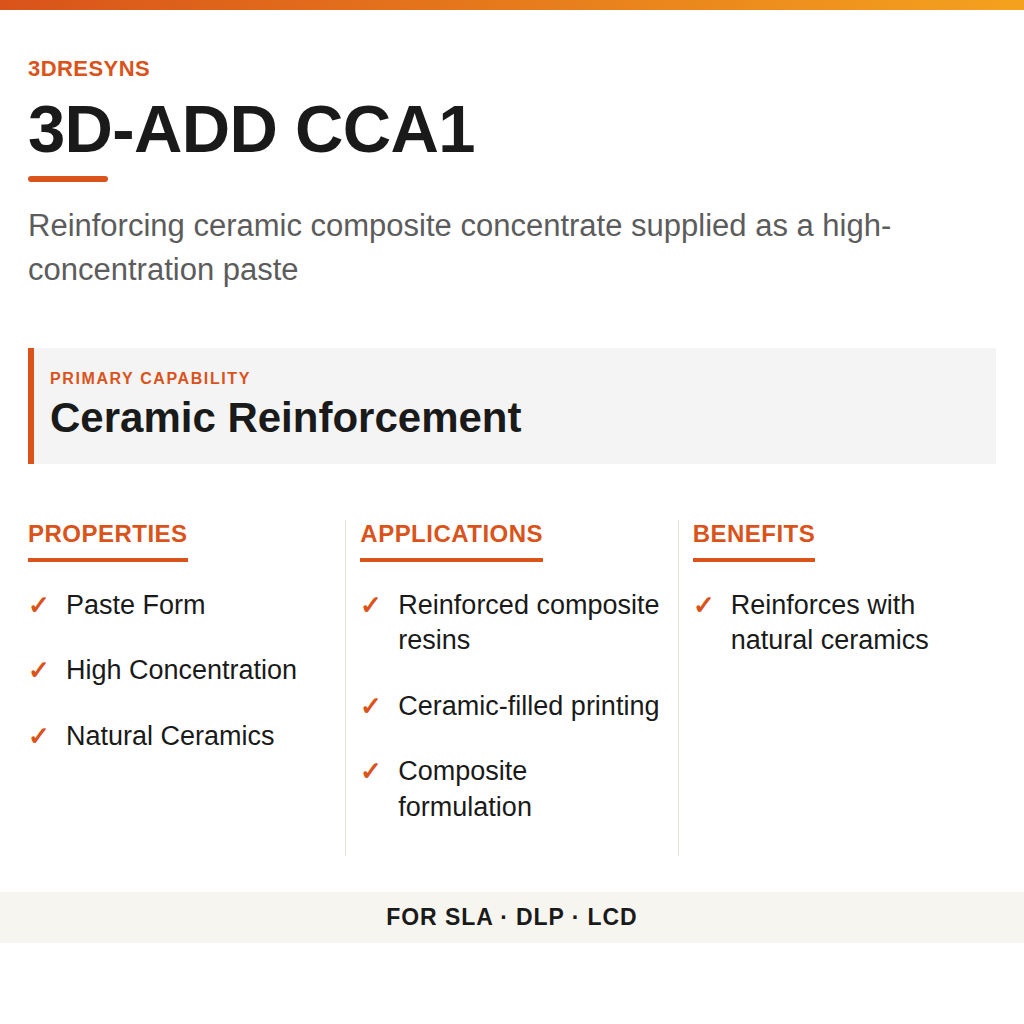
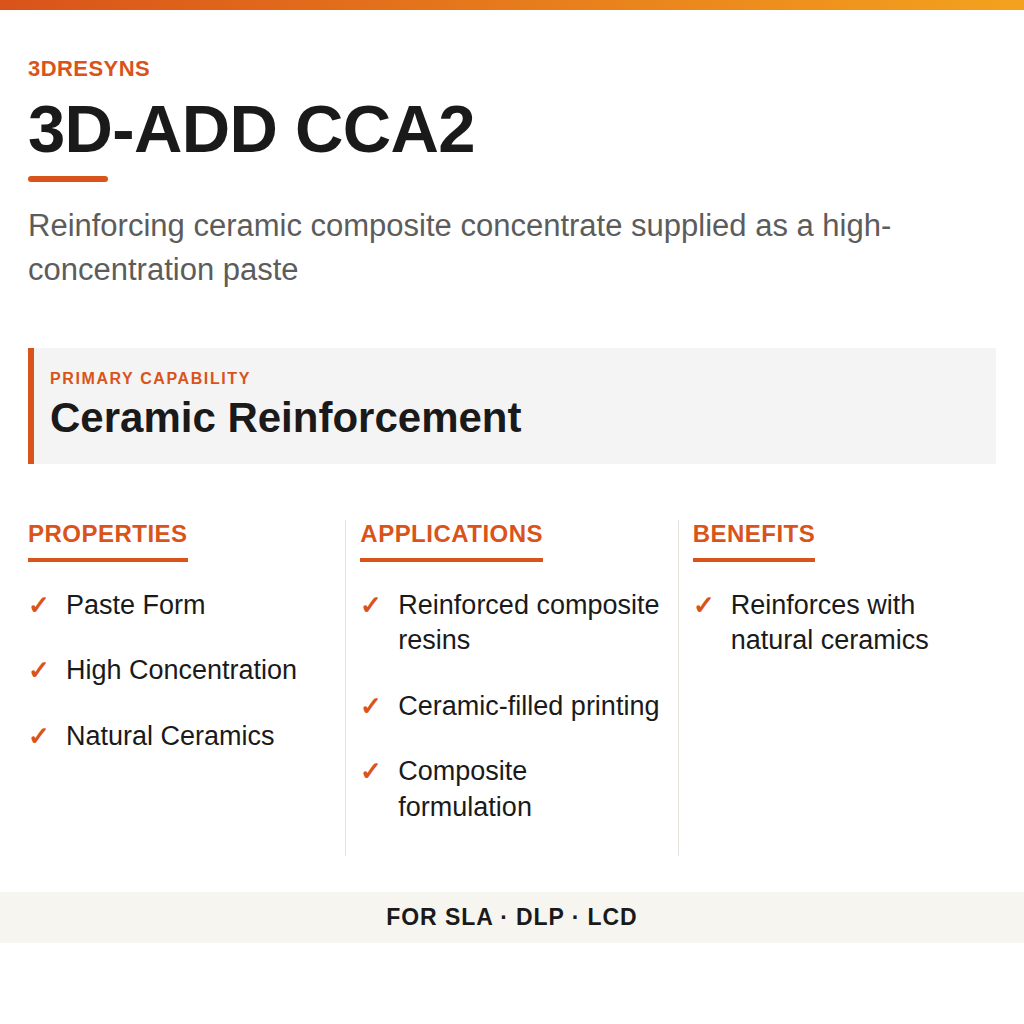
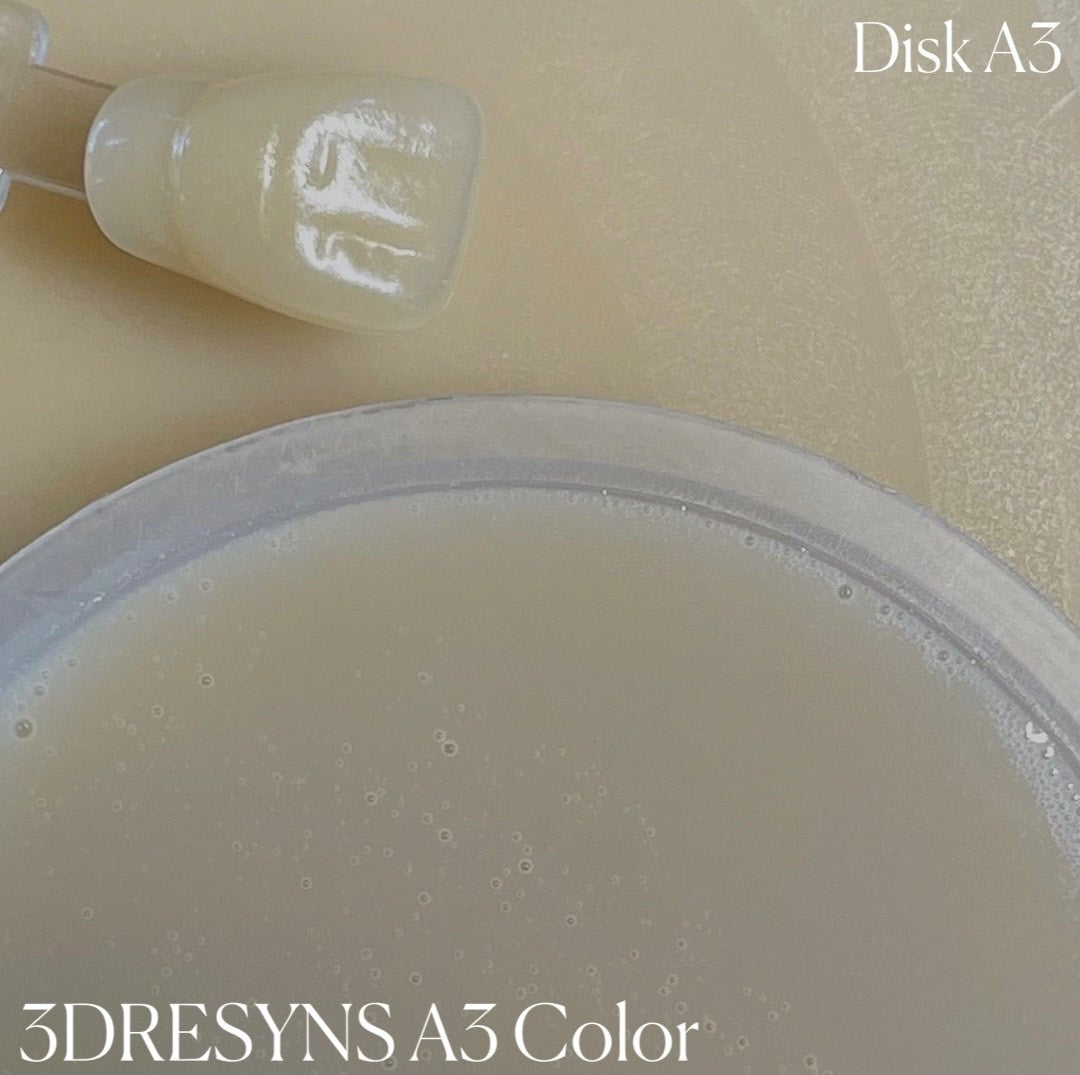
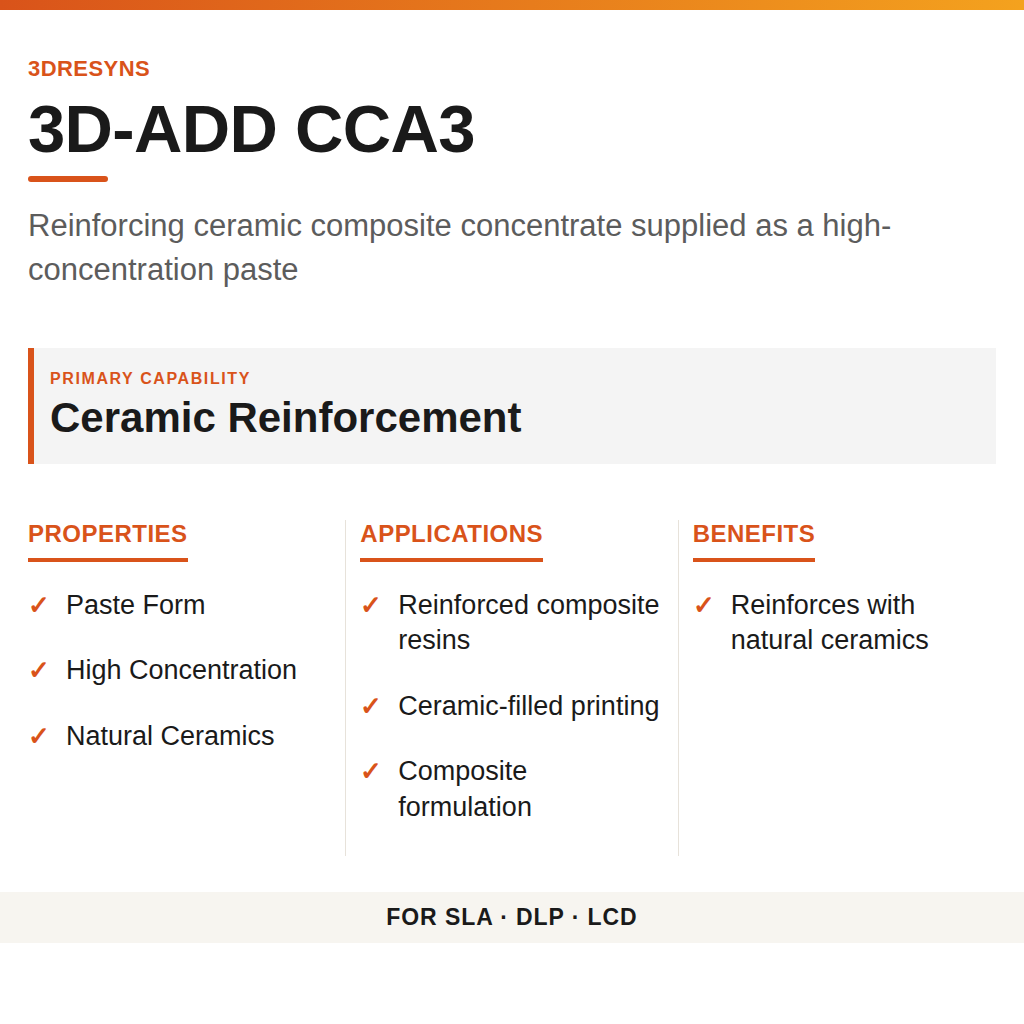
The three CCA products are explicitly positioned as Ceramic Composite Concentrates. Their role is not generic reinforcement but ceramic loading and ceramic-oriented composite development.
- 3D-ADD CCA1 Ceramic Composite Concentrate A1
- 3D-ADD CCA2 Ceramic Composite Concentrate A2
- 3D-ADD CCA3 Ceramic Composite Concentrate A3
- A ceramic-composite route rather than a simple mechanical reinforcement route
- Useful where ceramic-like functionality or ceramic-filled photopolymers are the development target
- The A1/A2/A3 structure suggests internal differentiation within the ceramic-composite family
- Ceramic-loaded formulation development
- Ceramics-and-metals adjacent workflows
- R&D comparing multiple ceramic concentrate routes
Specific ceramic filler routes: feldspar, zirconia and quartz
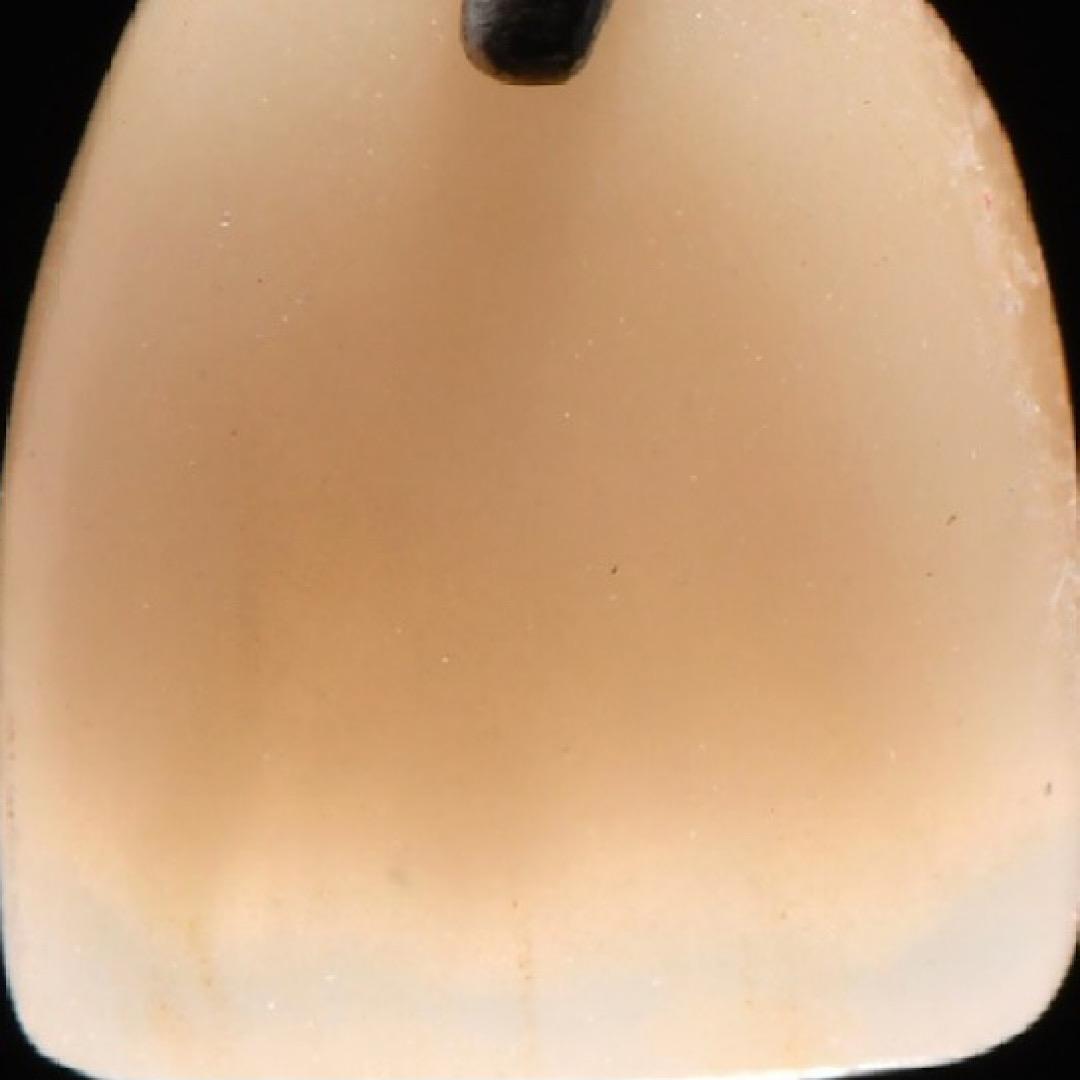
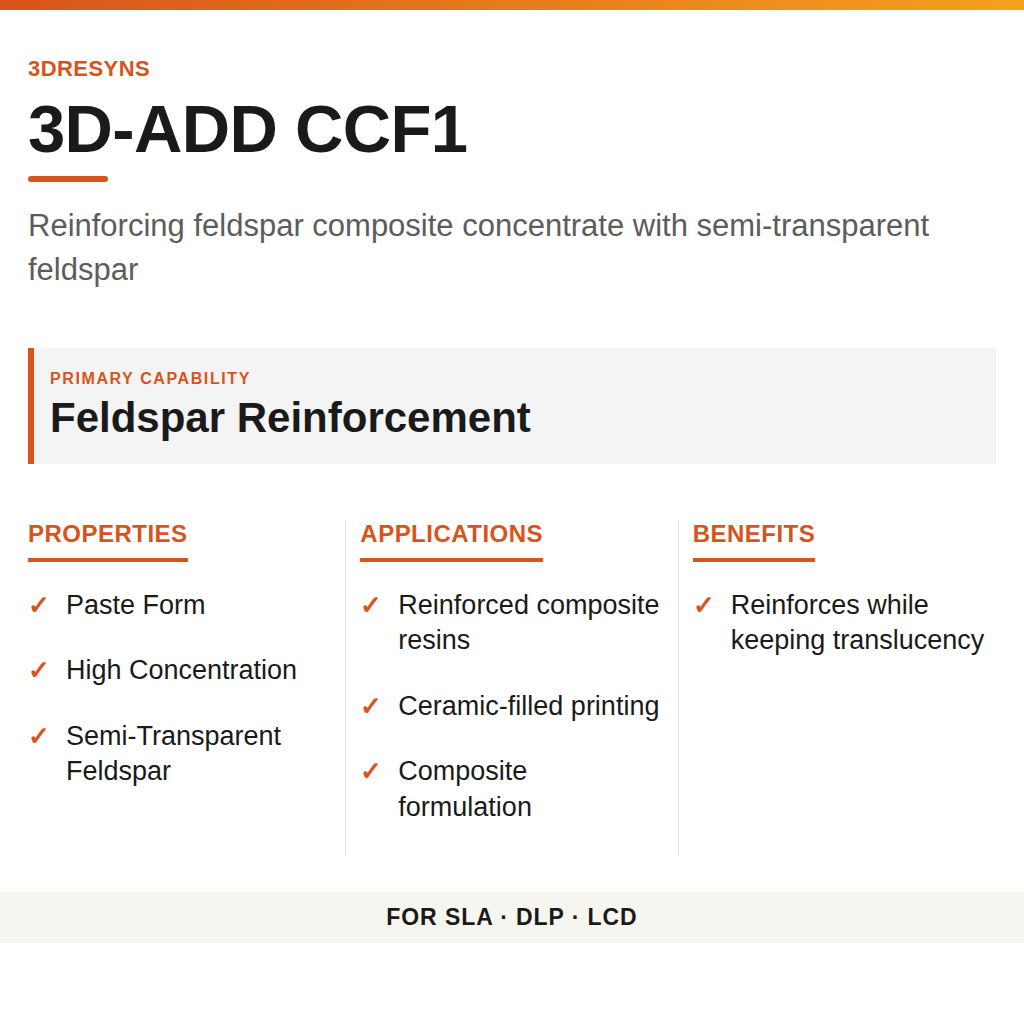
This route is more specific than the generic CCA family. Instead of general ceramic concentrates, it offers identifiable ceramic pathways based on feldspar, zirconia and quartz.
- 3D-ADD CCF1 Ceramic Composite Feldspar
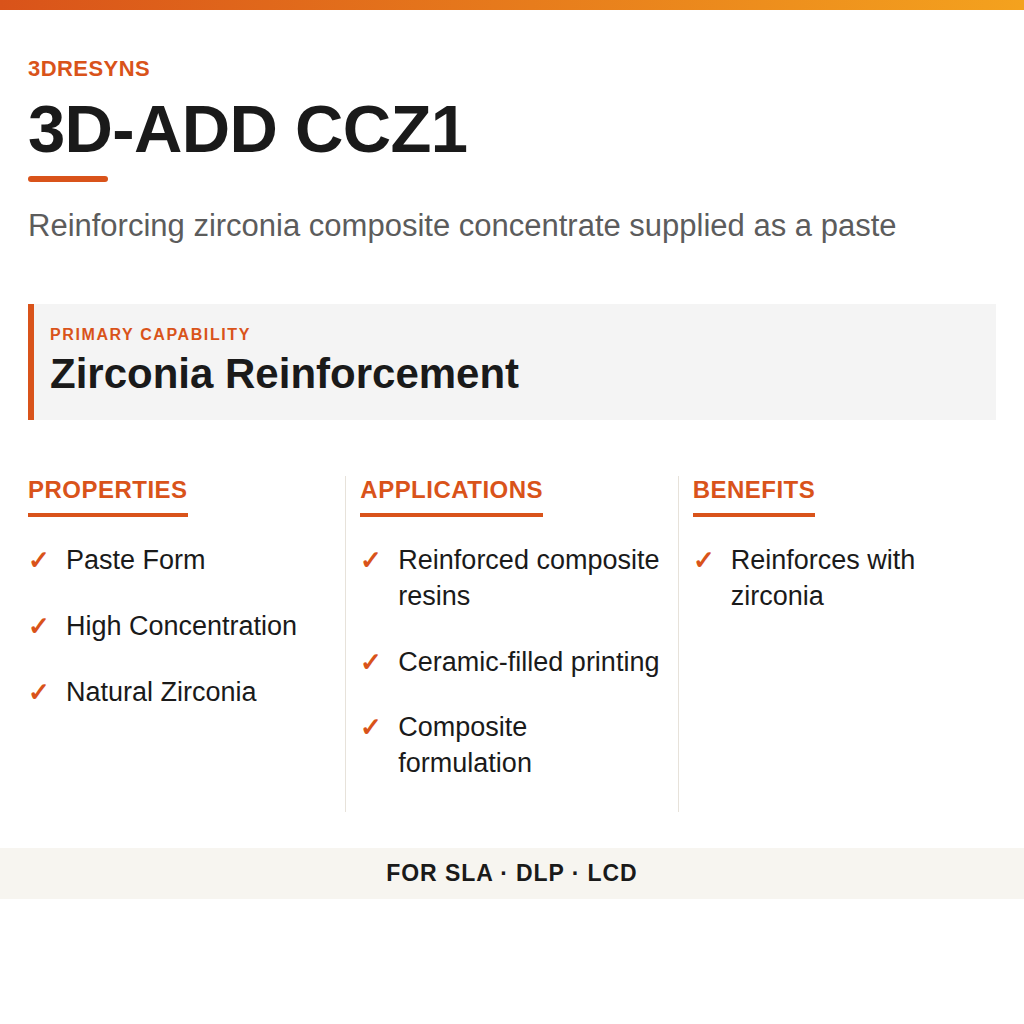
- 3D-ADD CCZ1 Ceramic Composite Zirconia
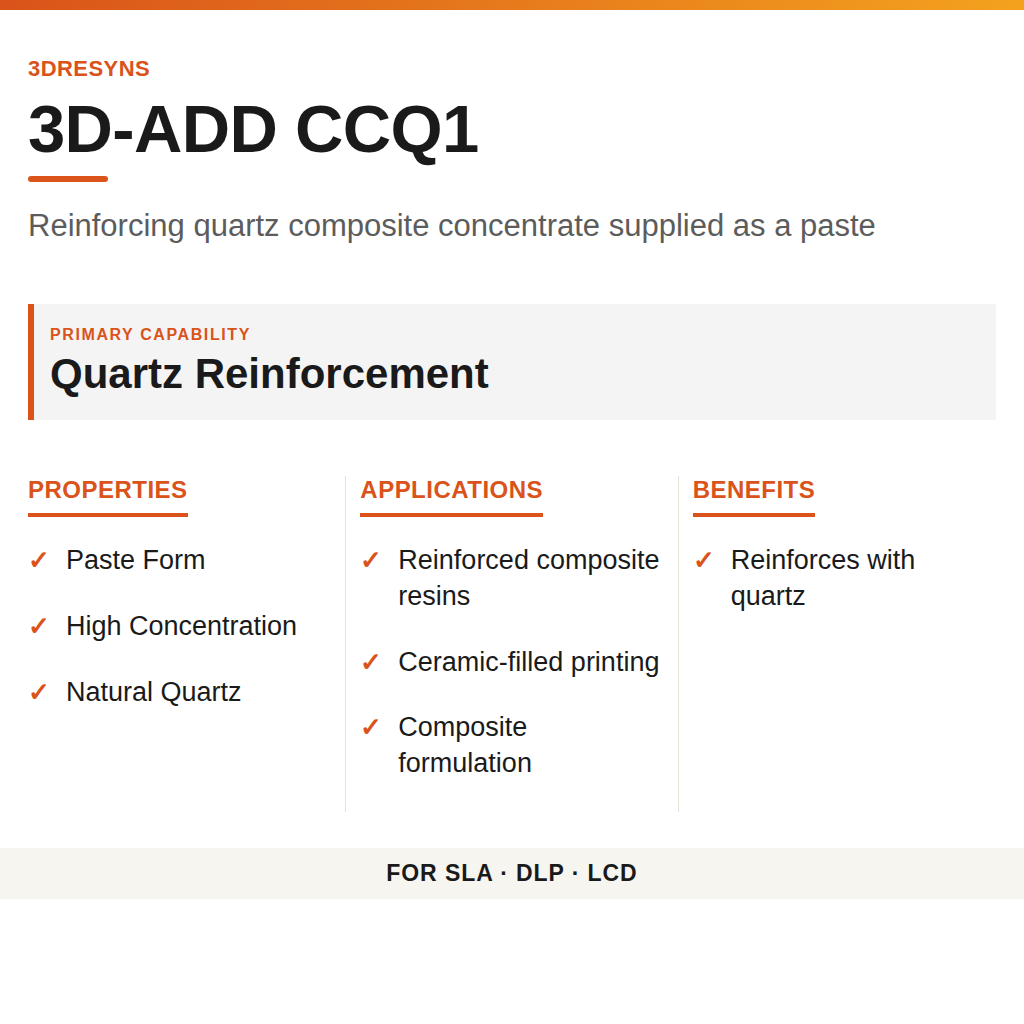
- 3D-ADD CCQ1 Ceramic Quartz Composite
- Moves from generic ceramic loading to mineral-specific ceramic strategy
- Allows selection according to the desired ceramic family rather than only filler quantity
- Supports more targeted formulation logic for ceramic-oriented systems
- Zirconia-oriented composite development
- Quartz-based composite systems
- Feldspar-related ceramic formulation routes
- Comparative ceramic filler development
Reinforced composite concentrates: RCC1, RCC2, RCC3
The RCC family is explicitly application-driven. Each product states the main performance target directly in its title, which makes this one of the clearest sub-families in the whole additives portfolio.
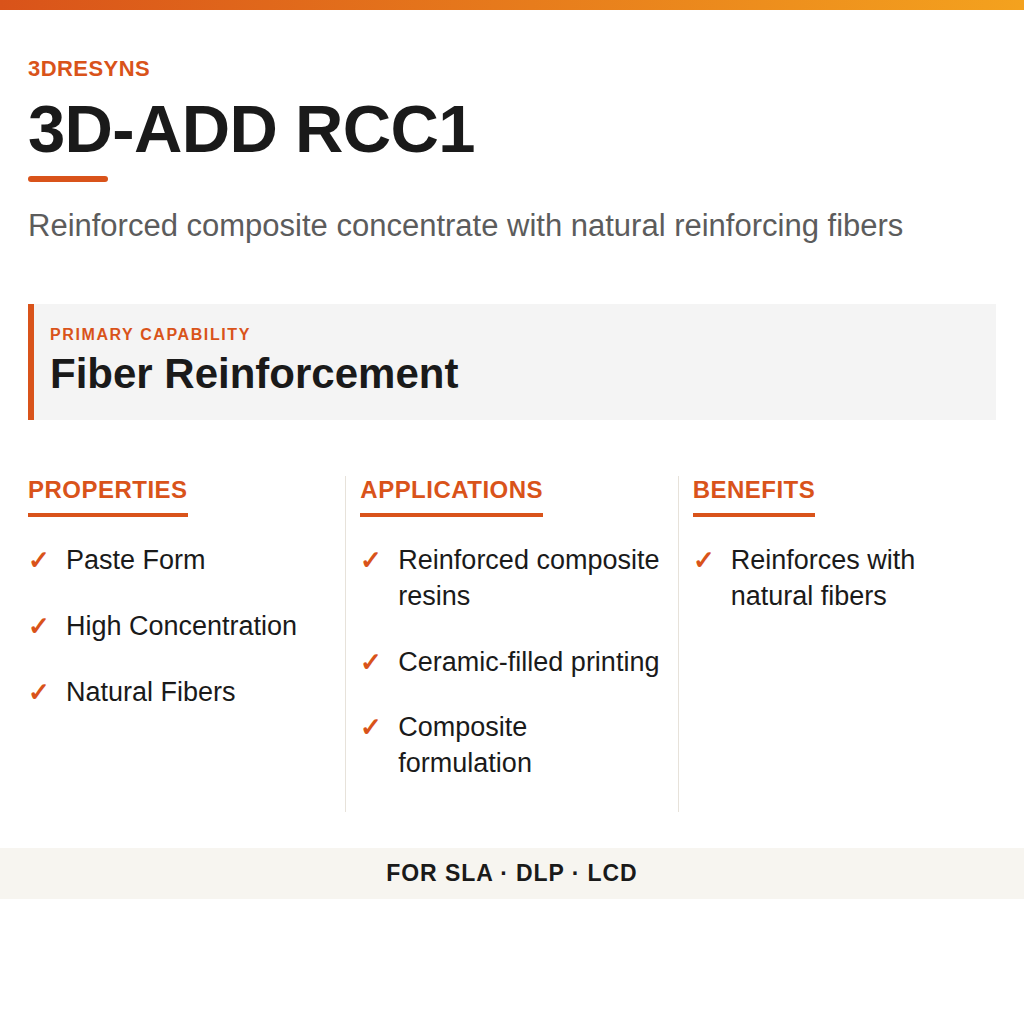
- RCC1 — improving mechanical properties and thermal and acoustic insulation
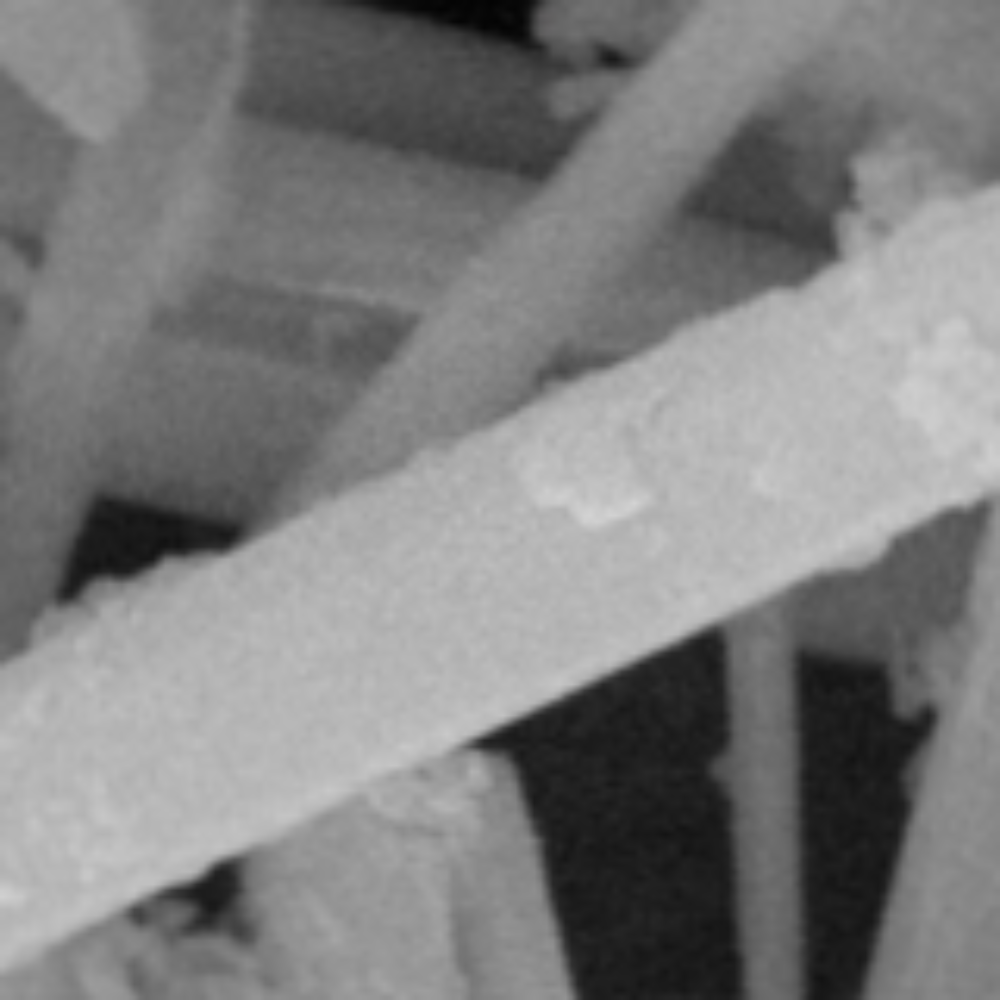
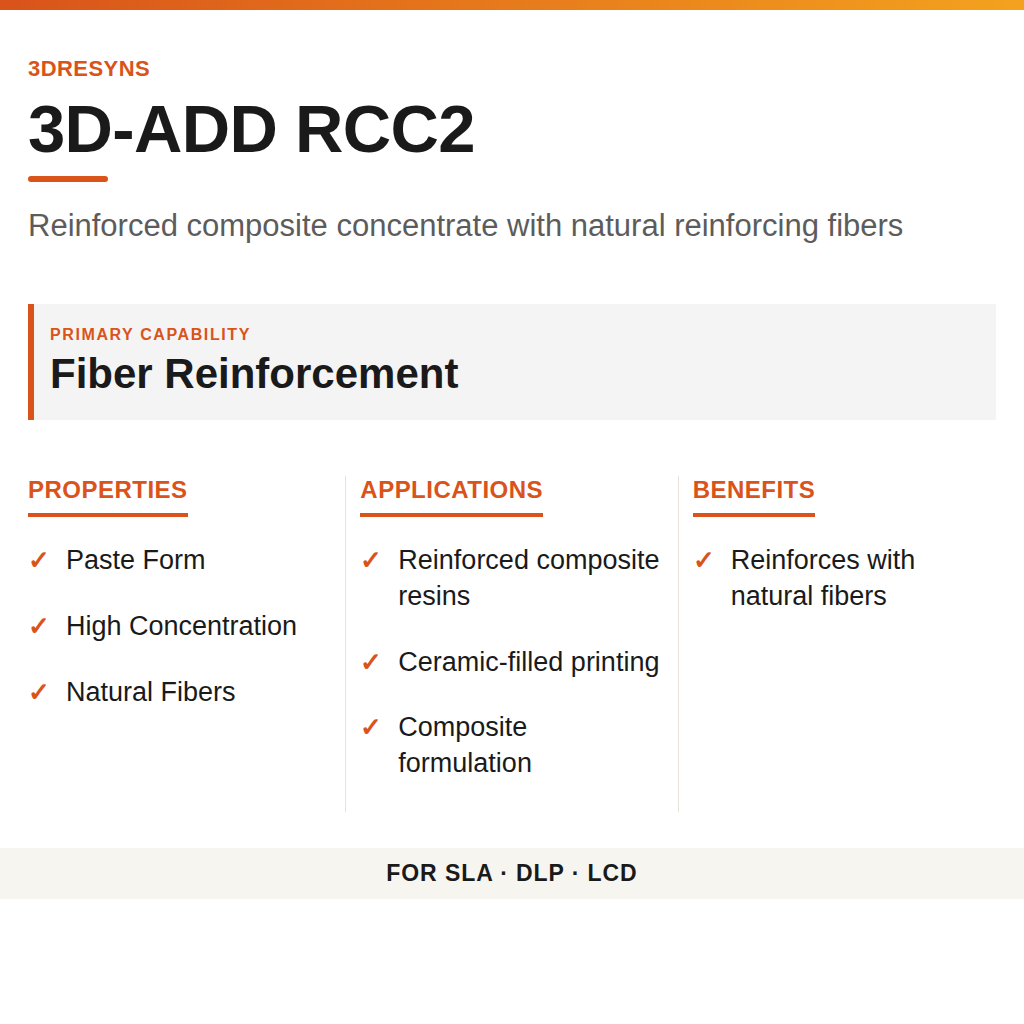
- RCC2 — improving mechanical properties and wear resistance
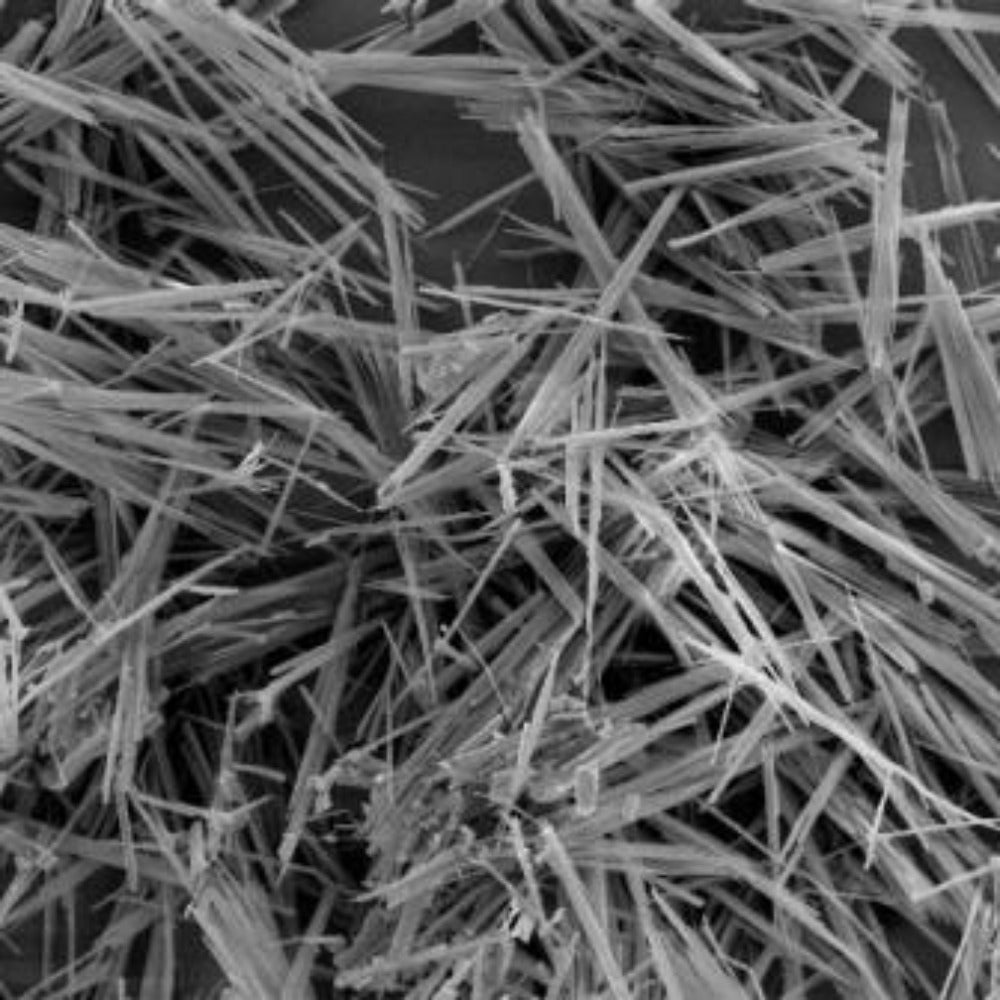
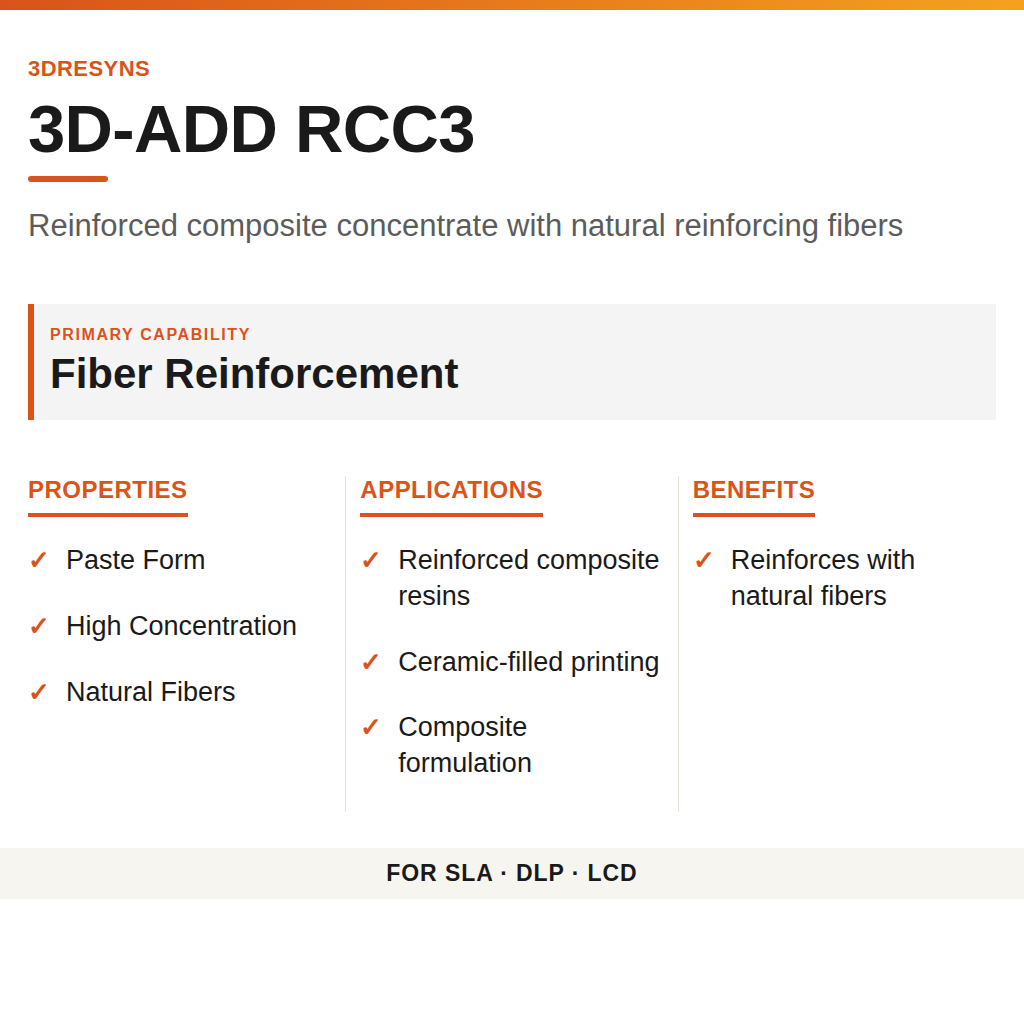
- RCC3 — improving mechanical properties and electrical insulation
- RCC1 is the route when reinforcement must coexist with thermal and acoustic insulation objectives
- RCC2 is the route when the problem is not only strength but wear under contact or motion
- RCC3 is the route when reinforcement must be combined with electrical insulation behavior
- Insulating structural parts
- Wear-resistant composite parts
- Electrically insulating composite systems
- Application-specific engineering composite development
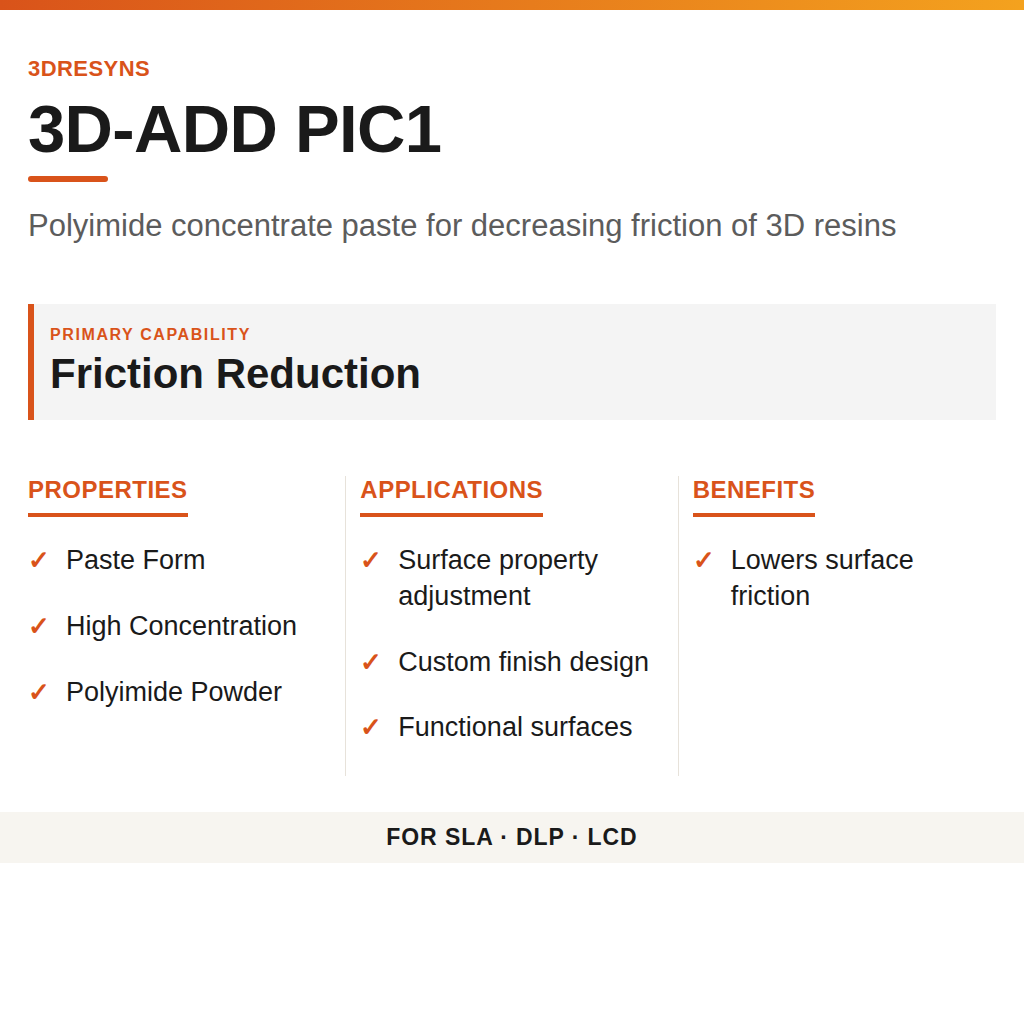
PIC1 polyimide concentrate for decreasing frictional wear
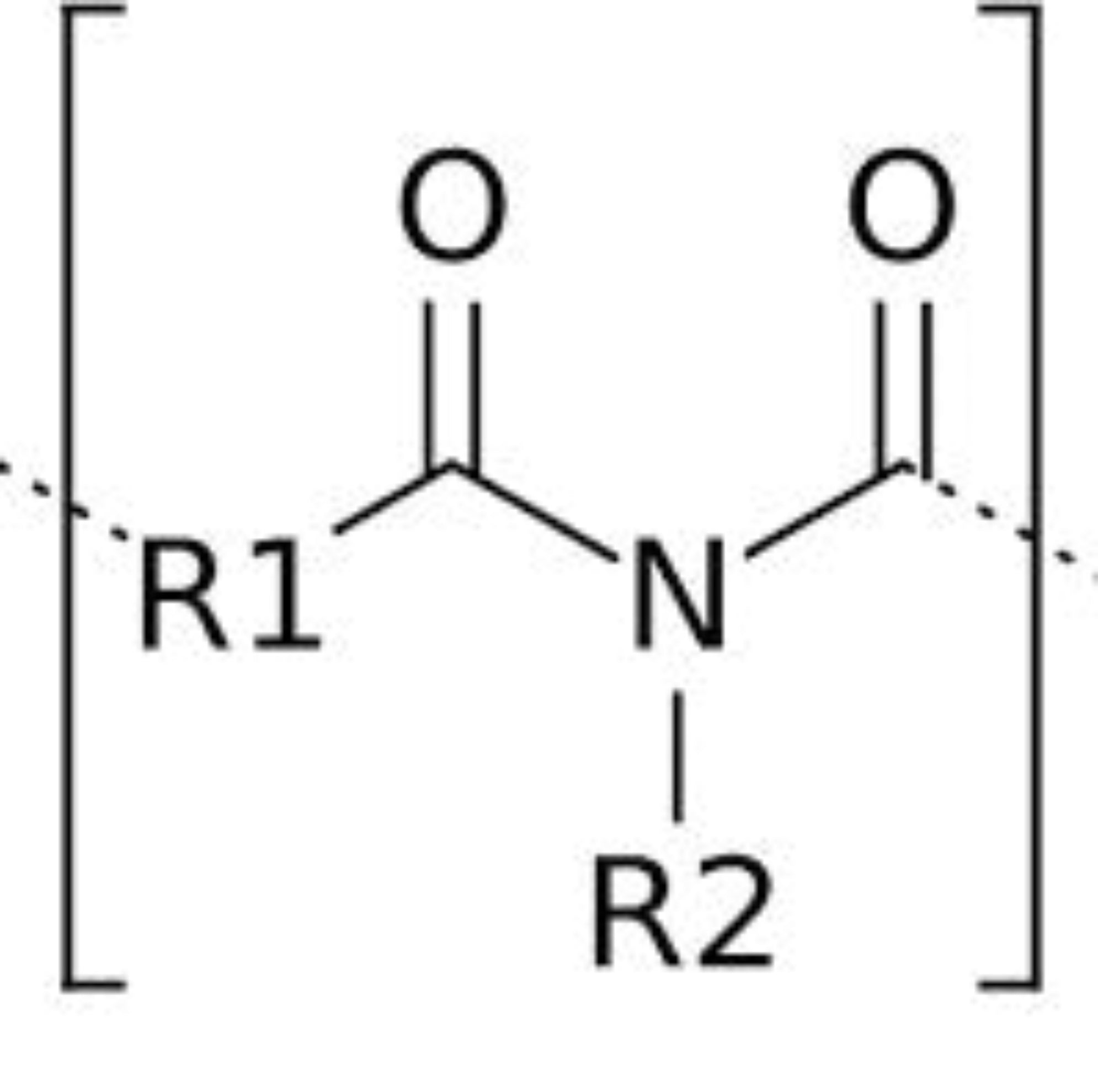
PIC1 is not a generic reinforcement concentrate. Its title explicitly frames it as a Polyimide Concentrate for decreasing frictional wear, which makes it a tribology-oriented route rather than a general-purpose stiffness modifier.
- Reducing frictional wear rather than only increasing bulk strength
- Supporting moving-contact and tribological applications
- Introducing polyimide-related functionality into a resin system through concentrate logic
- Sliding-contact parts
- Tribology-oriented R&D
- Durability improvement under frictional loading
- Specialty industrial prototypes where wear, not only strength, is the bottleneck
Selection logic
How to choose the right reactive reinforced composite
Selection should start from the target functional behavior, not from the broad label “reinforced composite.”
- Need ceramic-loaded systems → start with CCA family or mineral-specific ceramic routes
- Need insulation plus reinforcement → choose RCC1 or RCC3 depending on insulation target
- Need wear resistance → choose RCC2
- Need friction reduction → choose PIC1
- Need a specific ceramic family → choose feldspar, zirconia or quartz routes directly
Not all “reinforced” systems solve the same problem
This collection shows a crucial distinction: ceramic loading, wear resistance, insulation and friction reduction are different formulation goals and should not be treated as equivalent outcomes of a generic filler strategy.
The correct selection logic is therefore: ceramic route vs reinforcement route vs tribology route.
Engineering note
Final composite behavior depends on concentrate loading, filler dispersion, base resin compatibility, photoinitiator system, viscosity build-up, printing conditions and post-processing workflow.
Interpretation principle
These products should be understood as specialized composite-design tools for advanced users developing ceramic-filled, reinforced or tribology-oriented photopolymer systems. Final suitability must always be validated inside the complete formulation.
Related composite-development routes
Use these related 3Dresyns collections to move between reinforced composite systems, broader engineering resins, functional additives and raw-material routes used in advanced formulation work.
Sort by


From prototyping to industrial production, performance depends on materials, calibration and process control